
Property Potential Amidst a Legacy of Diverse Freedom
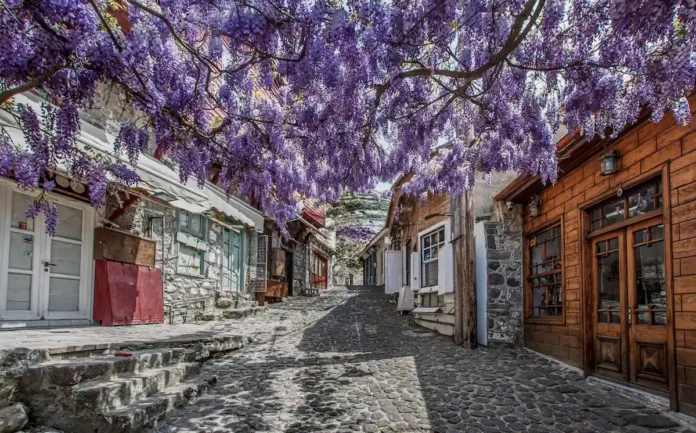
Lesbos is one of Greece’s most unique islands. It has a mix of rough terrain, fertile olive groves, and villages that have been there for hundreds of years. Lesbos is known for its literary history. The ancient poetess Sappho lived there and wrote passionate poems about love and friendship between women. This is where the modern word “lesbian” comes from. The island honors this history by living a quiet but lively life that is perfect for retirees who want to be real and take things slow.
Lesbos has also become known around the world as the first place where refugees from Turkey arrive by small boat in the last 15 years. The local response was complicated: some people offered help and shelter, while others were angry and scared. The island has changed in a way that is easy to see. Some villages are now sparsely populated, with abandoned homes and declining services. This gives retirees both opportunities and challenges: there are cheap village properties available, often starting around €30,000, but many need to be renovated and sometimes involve complicated legal inheritance issues.
There is still a rhythm to life on Lesbos that balances comfort and tradition. There are neoclassical mansions, busy markets, and local cafés where people hang out over coffee in many of the villages. Lesbos is known for its culture, but it also has beautiful natural features like sandy beaches, hot springs, pine-covered mountains, and winding coastal roads. Eressos and other communities celebrate diversity with an annual LGBTQ festival that brings in visitors while keeping a strong local identity. Lesbos has a lot to offer retirees, including a rich history, easy access to nature, and real opportunities in the housing market. However, they need to be patient and flexible.
Location, Access & Connectivity
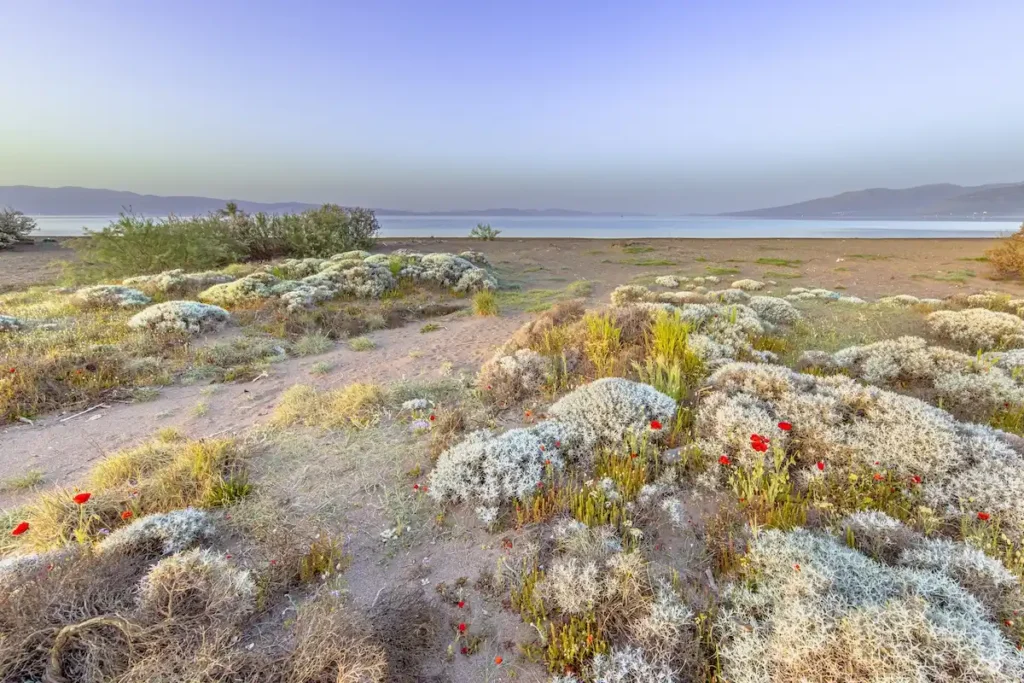
Lesbos is the third-largest Greek island and is located in the northeastern Aegean Sea, near the coast of Turkey. Mytilene, the island’s main town, is the regional hub. It has administrative services, a port, and the island’s biggest airport. Lesbos is about 330 km from Athens by air. You can get there in an hour by plane or take an overnight ferry from the port of Piraeus. In the last few years, it has become very expensive to take a ferry with a car and family. Seasonal ferries also connect Lesbos to other islands in the northern Aegean Sea.
Most of the time, people get around the island by car or local bus. Most roads are in good shape, but in the winter, roads through the mountains can be hard to drive on. Flights and ferries are always dependable, but storms can sometimes make it hard to travel by sea from November to February.
From a retirement point of view, Mytilene’s connections help with everyday needs like going to the regional hospital for medical appointments, getting to pharmacies, and going to Athens to visit family or get specialist care. The airport makes sure that transfers are quick in case of an emergency, and the main port lets you change your travel plans as needed. Lesbos is a good place for retirees because it is both remote and easy to get to. It offers a balance of peace and quiet and practical connectivity.
Weather and the Seasons
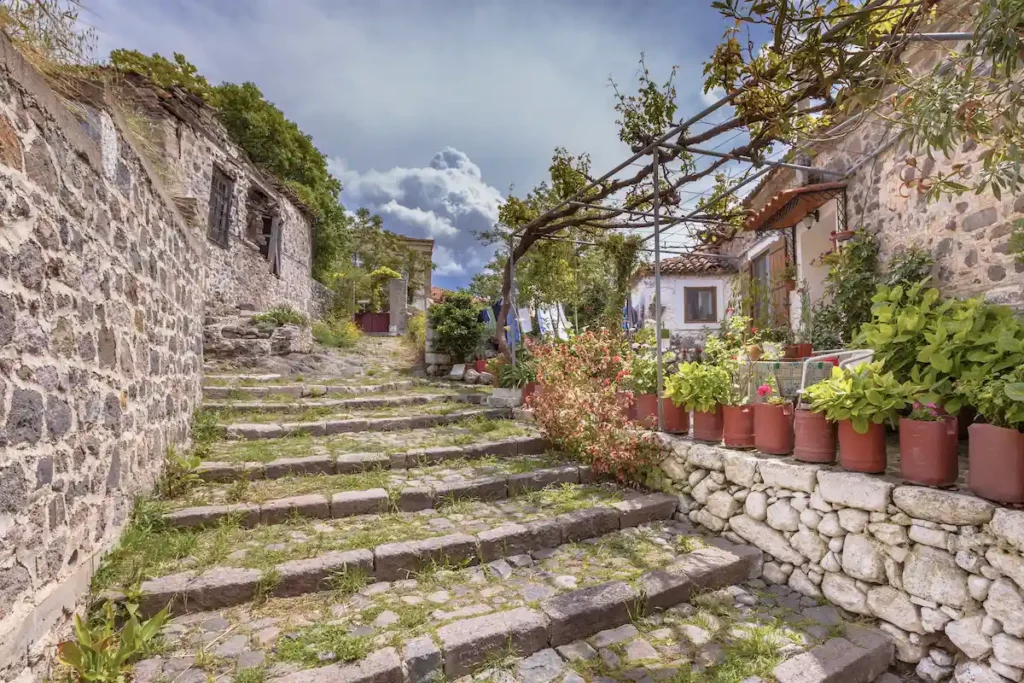
Lesbos has a Mediterranean climate with mild winters and hot summers. Coastal breezes help keep things cool. In the summer, temperatures can reach 30 to 35 degrees Celsius, and in coastal towns, the humidity can be high. Winters are mild, but they can be rainy and windy, especially in the north and on high ground. It doesn’t snow very often on inland hills, but when it does, it adds drama to the landscape in the winter.
Spring and fall are great times to live, travel, and do things outside because the weather is mild and there aren’t as many people as in the summer. In the winter, heating is only needed for short periods of time. In the summer, though, cooling is very important, especially in Mytilene and the southern villages.
For retirees, the weather affects their daily lives. In the shoulder months, outdoor cafés and village squares are the most popular places to hang out. In the winter, people spend more time indoors and in their own communities. Seasonal changes also affect the availability of food, market hours, and social events. This means that people who live on the island for a long time need to get used to how things change over time instead of expecting things to stay the same all year.
Everyday Life and the Community
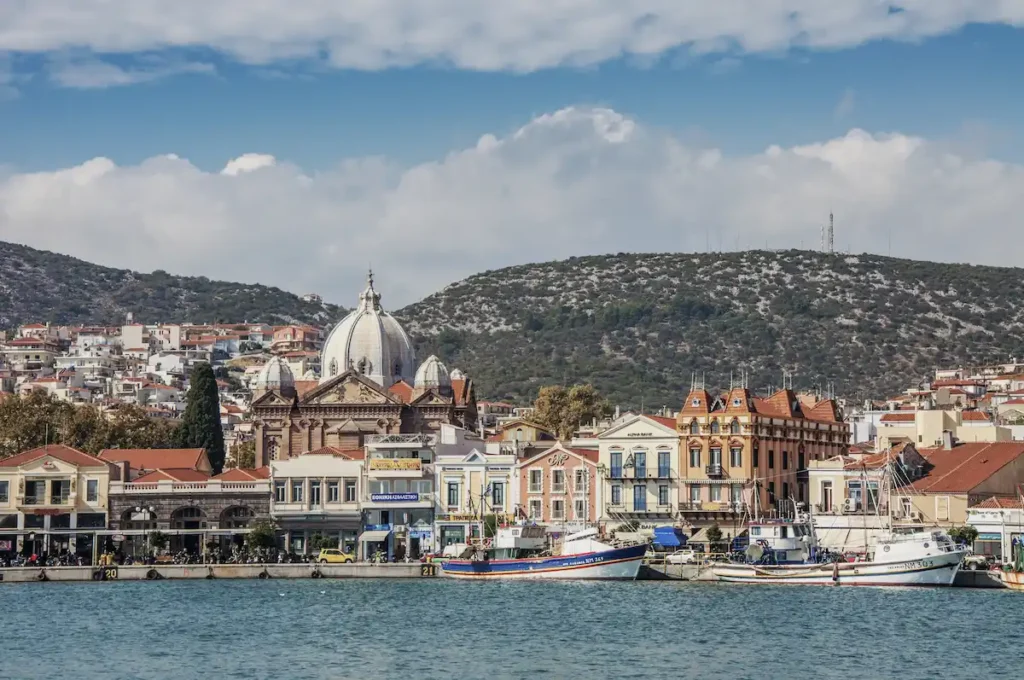
About 85,000 people live on Lesbos permanently, mostly in Mytilene and smaller towns like Kalloni, Mithymna, and Eressos. Villages are close-knit, and while learning Greek is important for full integration, locals are usually friendly and helpful to newcomers. In tourist areas, English is spoken a lot, and younger people often help with administrative tasks.
In the last 15 years, the island’s social fabric has changed a lot. Lesbos was the first place where refugees from Turkey could land on small boats. A refugee camp near Mytilene, along with the work of NGOs like Doctors Without Borders and local volunteers, brought in a new group of people and changed the way people lived. International aid workers and humanitarian projects brought resources, cultural exchange, and a spirit of working together. However, some people in the area had trouble with the social and economic effects. This chapter is now a part of everyday life: some villages are quieter, some homes are still empty, but the community keeps changing and sticking to its routines.
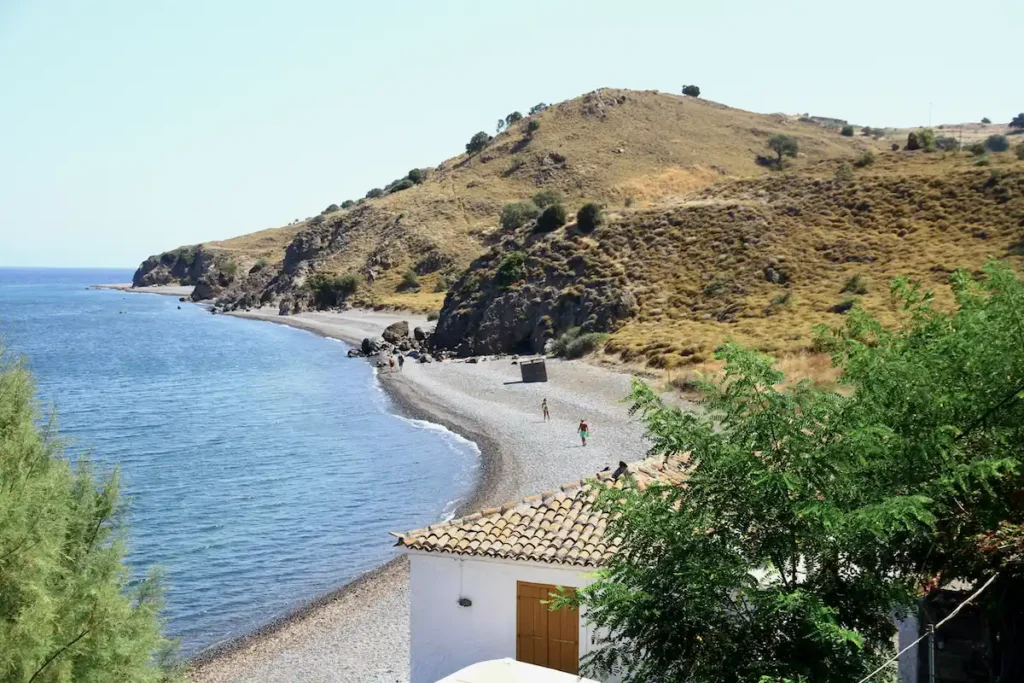
People on Lesbos spend their days at markets, cafés, and village squares, where they drink coffee and talk about what’s going on in the area. Most of the time, stores, pharmacies, and services are open all year, but their hours may be shorter in the winter. Festivals, cultural events, and farming activities fill the calendar with chances for retirees to get involved in their communities.
Villages like Skala Eressos are recognized as a global hub for lesbian expats and travellers. The town’s open-minded vibe is tied to its history as the birthplace of the ancient poet Sappho. Today, the local organization Sappho Women maintains a year-round presence in the village to preserve this heritage and coordinate cultural exchange. In September, they host an annual women’s festival that brings in international visitors and adds to the town’s welcoming atmosphere before the quiet winter months arrive.
Life here balances quiet, reflective days with cultural richness. Retirees can enjoy independence while engaging meaningfully with both long-standing residents and the new dynamics brought by humanitarian initiatives and seasonal visitors. Adaptability and curiosity make integration smoother, allowing newcomers to experience Lesbos beyond its tourist image.
Healthcare & Essential Services
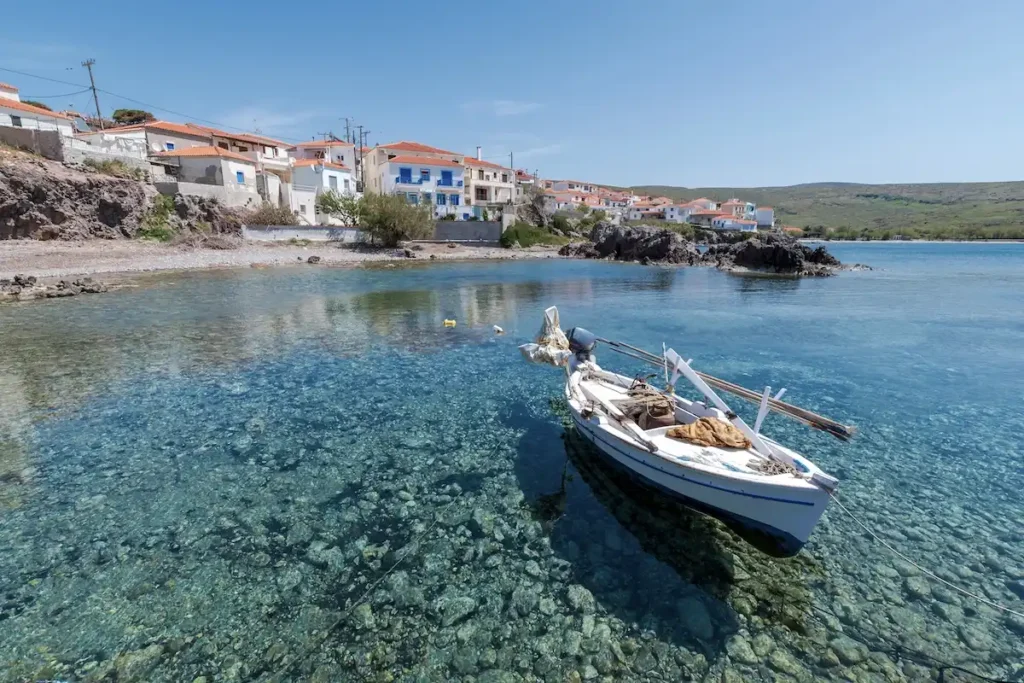
Healthcare on Lesbos is centered in Mytilene, which hosts a regional general hospital with emergency services, specialist clinics, and diagnostic facilities. Smaller towns have health centers providing primary care, general practitioners, and limited emergency services. Pharmacies are available in most towns, and private doctors offer appointments for non-emergency care. Foreign retirees must carefully understand how their private insurance policies function, as specific coverage types are legally mandated for residency. Additionally, completing all necessary administrative steps to secure an AMKA (social security number) is essential for integrating into the local healthcare framework.
Ambulance services operate island-wide, though response times may be slower in remote villages. For major procedures or specialized treatment, residents often travel to Athens or Thessaloniki, facilitated by daily flights or occasional ferry transfers.
Retirees benefit from a healthcare network that covers routine and urgent needs, but planning for advanced or elective care may require scheduling trips to the mainland. Overall, the system is adequate for day-to-day healthcare, with an emphasis on Mytilene as the hub for both emergencies and routine medical care.
Cost of Living Overview
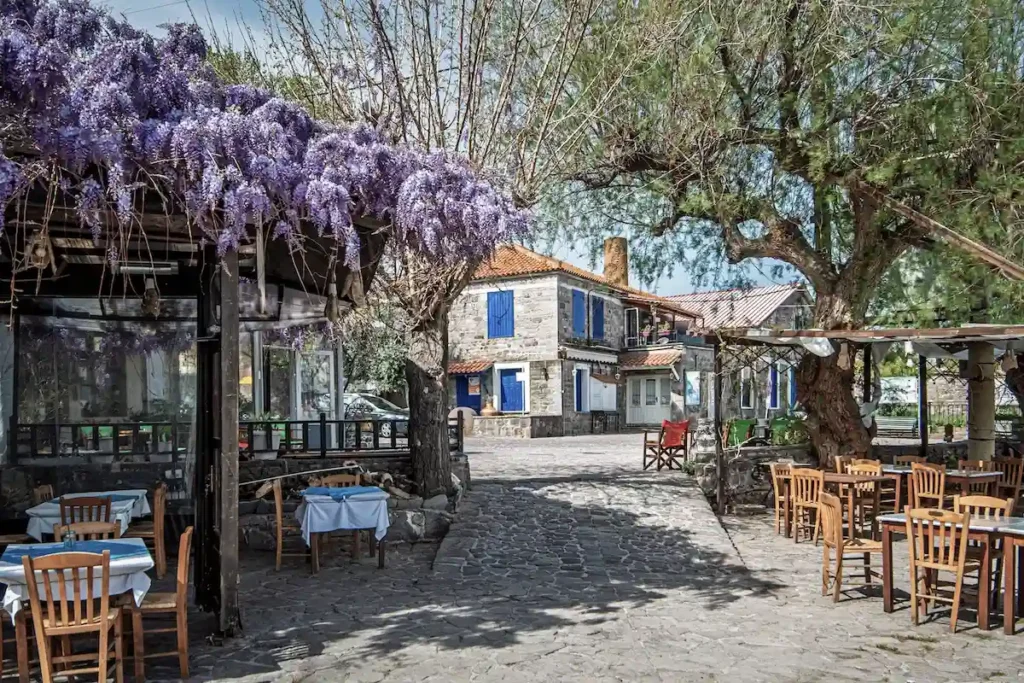
Lesbos is generally more affordable than mainland Greece or popular islands like Santorini and Mykonos. Long-term rental prices vary: modest apartments in villages may cost significantly less than properties in Mytilene, while seasonal or fully renovated homes command higher rates during summer. Utilities are reasonable, though heating costs can rise slightly in colder, windier months.
Groceries are abundant and cost-effective, particularly local produce such as olives, cheese, and fish. Markets offer seasonal variety, allowing residents to plan meals economically. Transport costs are moderate if relying on buses, but owning a car is common for accessing remote villages. Dining out is generally inexpensive, especially outside of tourist hotspots.
For retirees seeking a balanced budget, Lesbos provides a lifestyle where day-to-day expenses remain manageable, and opportunities for occasional indulgence, cafés, cultural events, or short trips, can be integrated without financial stress. Comparatively, living costs are lower than Athens or major tourist-driven islands, making Lesbos an attractive choice for budget-conscious retirees seeking quality of life.
Housing & Real Estate Landscape
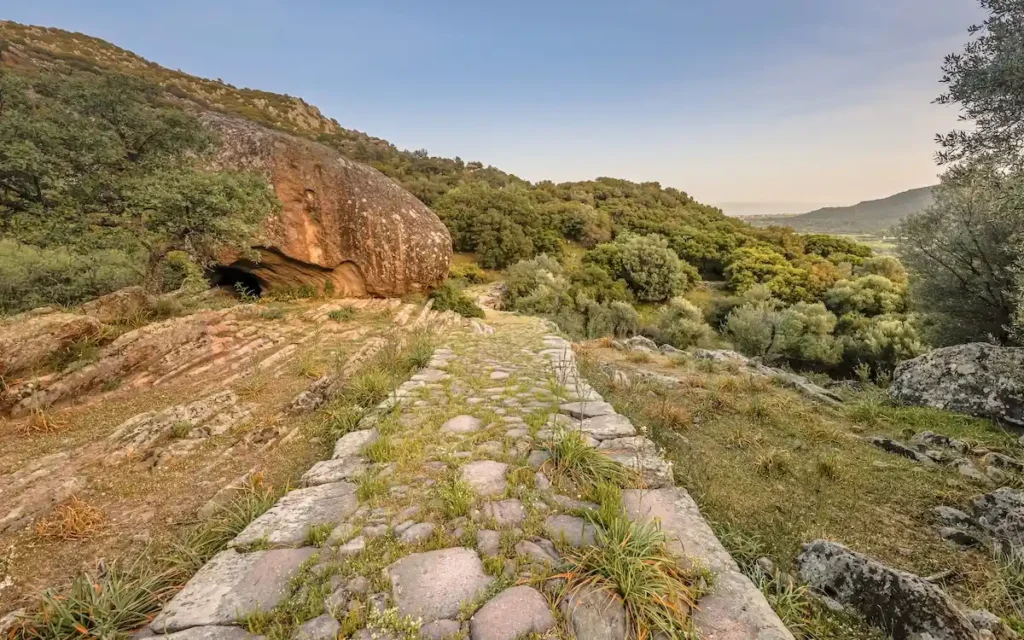
Housing on Lesbos ranges from traditional stone-built village homes to modern apartments in Mytilene. Long-term rentals are generally easier to secure in non-tourist towns, while coastal villages experience seasonal pressure during summer.
Over the last 15 years, some villages have become sparsely populated due to economic migration and the refugee situation. As a result, abandoned or underused properties are available at unusually low prices, sometimes starting around €30,000. These homes, however, often require extensive renovation, and legal issues are common, particularly in cases of inherited properties with multiple heirs. Buyers need to approach these opportunities with careful due diligence and local legal advice.
Interior layouts often reflect traditional Greek architecture, with shaded courtyards, stone walls, and wooden shutters. Renovation can require patience and local knowledge, as building regulations vary and materials may need sourcing from the mainland. Villages differ in atmosphere: inland towns offer peace, affordability, and genuine village life, while coastal areas provide views, access to services, and a livelier social scene.
Retirees have the flexibility to rent or buy based on lifestyle preferences, with many opting for a permanent village home that combines affordability, charm, and connection to the local community, if they are prepared for renovation challenges and the realities of depopulated villages.
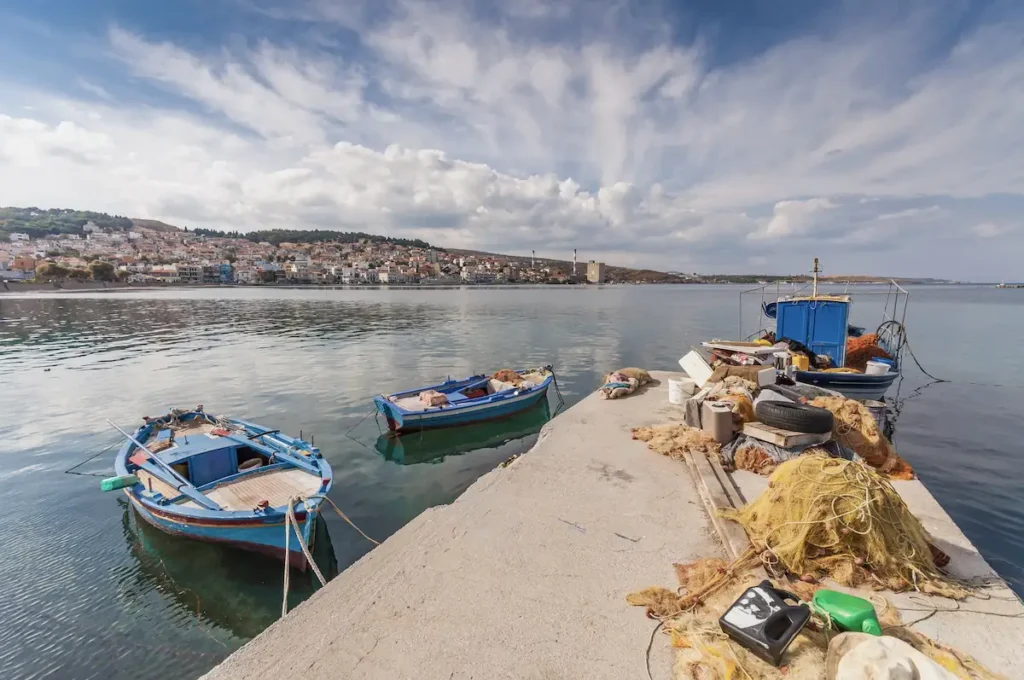
Lifestyle, Nature & Leisure
Lesbos encourages an active, outdoor-oriented lifestyle. Walkable villages, scenic coastal paths, and pine-covered hills provide abundant opportunities for walking, hiking, and cycling. Cafés, tavernas, and seaside promenades form the social backbone, where locals and newcomers mingle effortlessly.
The island is rich in cultural offerings: museums, archaeological sites, and festivals celebrate history and the arts. Nature is never far away: beaches, hot springs, and birdwatching areas allow for daily immersion in the landscape. Olive groves and vineyards offer quiet spaces, and local markets make it easy to integrate seasonal living into everyday routines. The island has long inspired writers and artists, its villages and complex history finding their way into stories shaped by lived experience.
Life here favors engagement over spectacle; retirees can explore culinary delights, cultural heritage, and nature trails without feeling overwhelmed by crowds. The pace and accessibility make Lesbos ideal for those who value meaningful, low-pressure leisure alongside essential amenities.
Local Reality Check
Winter in Lesbos can feel surprisingly isolated. Tourism slows dramatically, ferry schedules reduce frequency, and some businesses close for seasonal rest. Roads, especially in remote villages, can be affected by wind or rain. Many homes remain abandoned or underused, reflecting depopulation trends and the refugee situation. For retirees, this period emphasizes self-sufficiency and careful planning for medical visits, shopping, and social engagement. Yet, those willing to embrace this quieter rhythm discover a profoundly local experience: village life undiluted by summer crowds, cozy cafés filled with residents, and nature unfolding in peace.
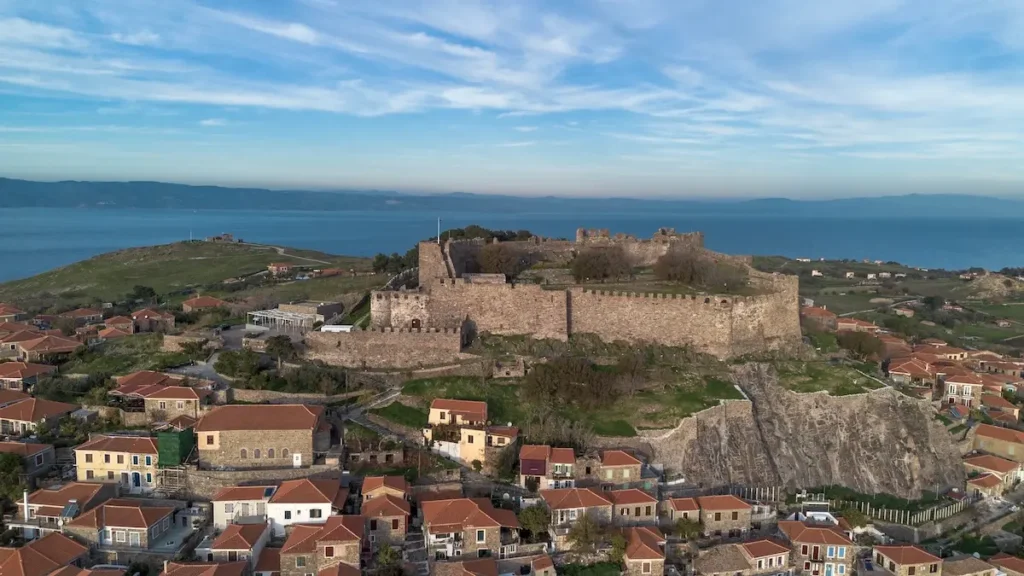
Who This Destination Is Best Suited For
Lesbos is ideal for retirees seeking a mix of culture, nature, and tranquility. Active explorers and culture lovers will enjoy walking trails, literary heritage, and local festivals. Budget-conscious individuals benefit from affordable housing and daily living. Those seeking community can integrate into welcoming villages, while nature enthusiasts will relish proximity to beaches, mountains, and olive groves. Lesbos suits retirees who value authenticity, seasonal rhythms, and a slower pace over constant tourist activity.
More Island Options
For an island with a lively community that stays active all winter long, explore our guide to Kefalonia, or read about Syros for an equally vibrant year-round setting that remains busy long after the summer crowds leave.
***