
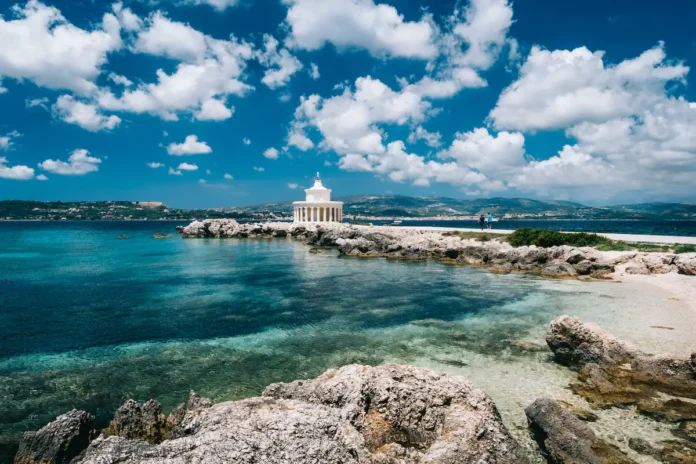
Geographical Grandeur Beyond the Seasonal Tourist Footprint
Kefalonia is the largest of the Ionian Islands and one of the most geographically dramatic places in Greece. Mountainous, deeply green, and shaped by earthquakes as much as by the sea, it feels less like a postcard island and more like a complete, self-contained region. The result is an island with villages spread across hillsides, working ports, agricultural plains, and long stretches of coastline that remain surprisingly untouched even in high season.
Kefalonia, unlike smaller or more compact islands, has multiple centers of activity and ways of life. Life here is not centralized. Argostoli is the main administrative and commercial center, and smaller towns like Lixouri, Sami, and Fiskardo each serve as semi-independent hubs. This layout creates variety but also requires adjustment, especially for retirees used to walkable, compact living.
Tourism exists, but it does not dominate every aspect of daily life. Many locals work year-round in agriculture, fishing, construction, and public services. The island has a strong sense of local identity, shaped by Venetian history, British influence, and a long tradition of emigration and return.
For retirees, Kefalonia appeals less to those seeking constant stimulation and more to those who value space, nature, and a slower, grounded rhythm. It rewards patience and adaptability. This is not an island that performs for visitors; it expects newcomers to meet it on its terms.
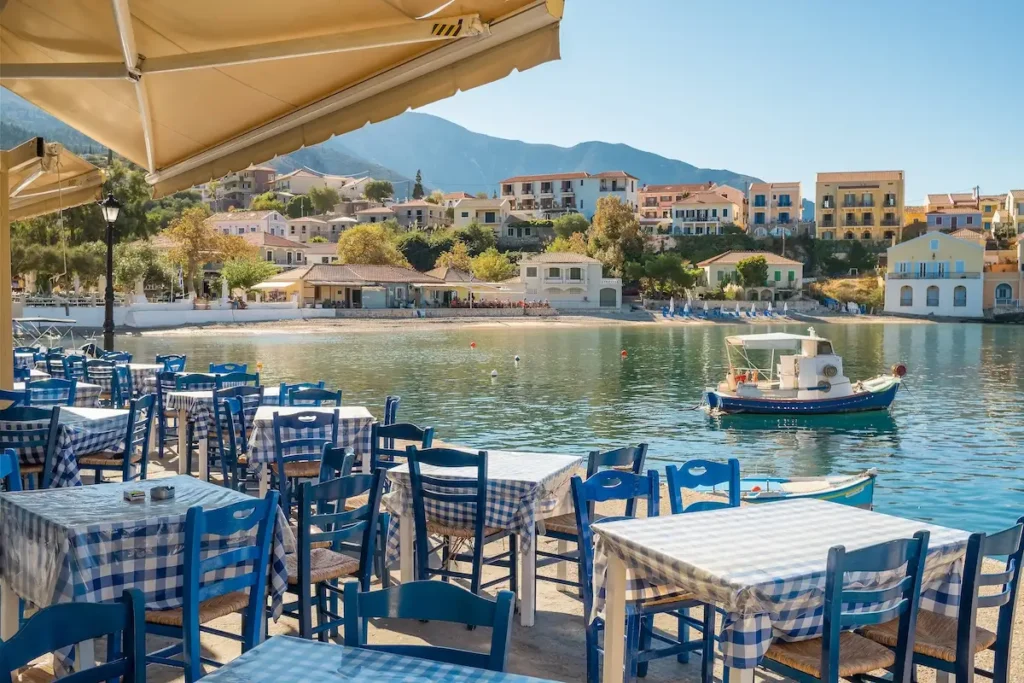
Location, Access & Connectivity
Kefalonia is located in western Greece, in the Ionian Sea, opposite the Peloponnese. It sits roughly 300 km west of Athens, though distance here is measured more by logistics than kilometers. Access is primarily by air or ferry, and travel planning is an important part of daily life, especially outside summer.
Kefalonia International Airport offers direct seasonal flights to several European cities and year-round domestic connections to Athens. The Athens flight takes about one hour and is the fastest option for medical travel or family visits. In winter, flights are less frequent but generally reliable, weather permitting.
By sea, the island is connected to the mainland via ferries from Patras and Kyllini, as well as shorter crossings from nearby islands. Winter ferry schedules are reduced but usually consistent. Strong winds can occasionally disrupt crossings, though full-day cancellations are less common than in the Aegean. There is no train access. Road travel is internal only and requires a car for most residents.
From a retirement perspective, Kefalonia offers reasonable access for emergencies and planned medical travel, but it is not frictionless. Coordination is necessary for visiting family, and schedules sometimes restrict last-minute travel.
Climate & Seasonal Rhythm
Kefalonia has a classic Ionian climate, marked by greener landscapes and more rainfall than much of Greece. Summers are warm rather than extreme, with daytime temperatures typically in the high 20s to low 30s Celsius. Humidity exists but is moderated by sea breezes, especially in coastal areas.Winters are mild in temperature but wetter and windier than many retirees expect. Rainfall is significant, particularly from November through February, and storms can be intense. Snow is rare at sea level but does occur in the higher mountain villages. Heating is necessary, especially in older homes with limited insulation.
Spring and autumn are the most comfortable seasons for daily life. Temperatures are moderate, the island is quiet, and services remain open. These shoulder seasons define Kefalonia’s livability far more than summer does.
Seasonality strongly affects routines. Summer brings extended hours, busier roads, and social energy. Winter brings quiet villages, early evenings, and a return to local rhythms. For retirees, the change means adjusting expectations: energy needs increase in winter, while summer requires patience with crowds in specific areas. Kefalonia is not a “perpetual summer” island. It offers a full seasonal cycle—something many long-term residents come to value.
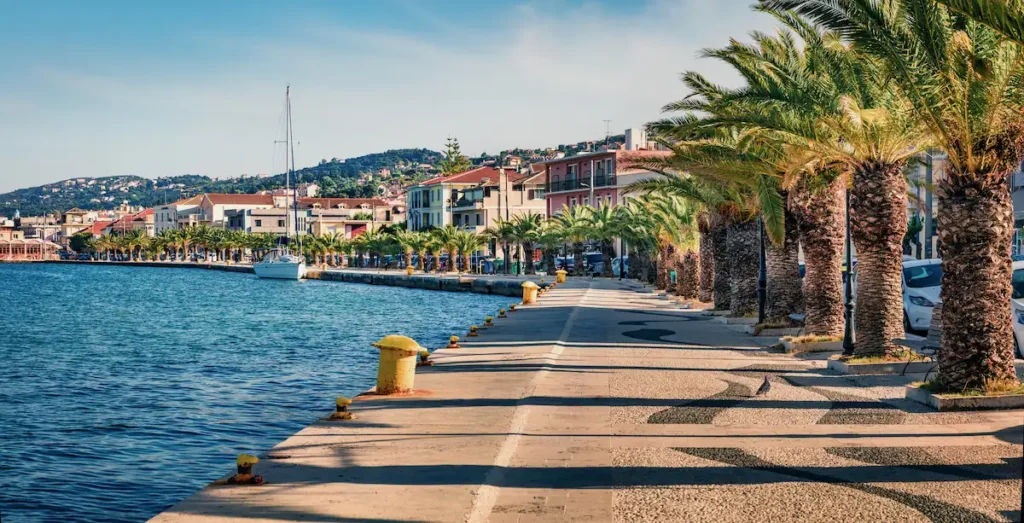
Daily life and the local community
Kefalonia has a permanent population that remains active year-round, spread across dozens of villages and small towns rather than concentrated in one urban center. Daily life is rooted in local networks: family-run cafés, small shops, municipal offices, and informal social ties.
The pace of life is slow but not idle. Mornings begin early, especially in rural areas, and afternoons quiet down outside during the summer. Social life revolves around cafés, village squares, and seasonal festivals rather than organized clubs or expat-focused activities, with traditions such as the singing of cantadas still part of the island’s evening life.
Integration takes time. English is widely spoken in tourism-facing areas, but outside them, Greek becomes increasingly important. Retirees who make an effort with the language are generally welcomed, while those who remain socially distant may feel isolated—especially in winter.
Services vary by location. Argostoli offers year-round shops, banks, public offices, and supermarkets. Smaller villages may have only a mini-market and a café, with weekly travel needed for errands. Many summer businesses close completely in winter, which reshapes daily routines.
Community life is subtle rather than performative. Kefalonians are not overly effusive, but they are consistent. Relationships develop slowly and deepen over time. For retirees who value authenticity, predictability, and being recognized rather than entertained, Kefalonia can feel quietly rewarding.
Healthcare & Essential Services
Kefalonia has a public general hospital located in Argostoli, along with health centers and clinics distributed across the island. For routine care, basic diagnostics, and emergency stabilization, services are available year-round.
Pharmacies are well stocked, and pharmacists often act as first-line advisors for minor health issues. Private doctors, including general practitioners and some specialists, operate on the island, albeit with limited availability.
Travel to Patras or Athens is required for more complex procedures, advanced diagnostics, or specialized treatment. This is a key consideration for retirees with chronic conditions. Medical evacuation by air is available when necessary, but planning ahead is essential.
Ambulance response times vary by location. Coastal and urban areas receive better service than remote mountain villages. Having a car and understanding your proximity to services, matters.
Overall, healthcare on Kefalonia is functional rather than comprehensive. It supports independent, generally healthy retirees well, but it is not ideal for those who require frequent specialist care without travel.
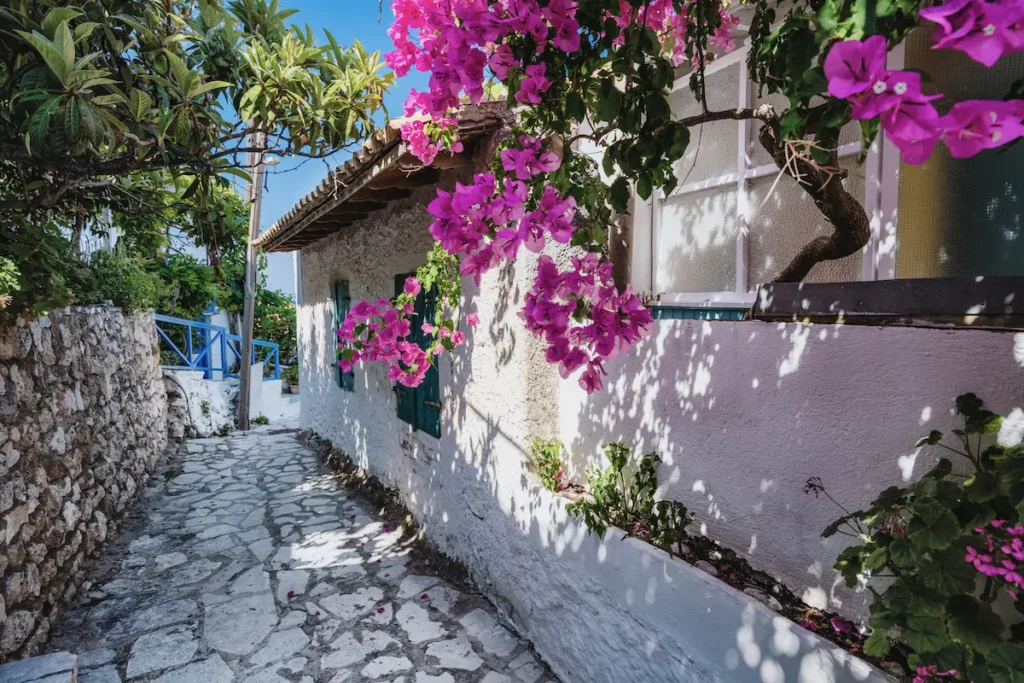
Cost of Living Overview
Long-term rents are available, especially outside premium coastal areas, but summer pressure affects availability. Prices rise significantly in high season, and year-round rentals require persistence. Utilities are a notable expense in winter due to heating needs
Food costs are reasonable. Local produce, fish, and basic staples are affordable, particularly when shopping at markets or local stores. Imported goods and specialty items cost more and may require trips to larger supermarkets.
Transport expenses depend heavily on car ownership. While fuel costs are higher than in cities, public transport is scarce during the summer months. Many retirees consider a car essential.
Compared to Athens, Kefalonia offers lower daily stress but higher logistical costs. Compared to smaller islands, it provides better services but slightly higher overall expenses. For retirees with a moderate budget and flexible expectations, it remains financially viable.
Housing & Real Estate Landscape
Older homes often need renovation, particularly for insulation, heating, and moisture control. Renovation is possible but requires patience and local contractors. Newer buildings are more energy-efficient but less abundant.
Rental availability tightens in spring and summer due to tourism. Long-term tenants who secure housing in winter have an advantage. Location matters greatly, coastal villages feel very different from inland ones. Neighborhoods vary significantly, even within short distances. Understanding micro-locations is key.
If you are considering buying a plot to build, you can verify local land values through the PlotX Index, which calculates median asking prices per square metre in Kefalonia alongside middle-range percentiles and active listing counts.
Lifestyle, Nature & Leisure
Life in Kefalonia revolves around nature rather than organized entertainment. Walking is possible in towns but limited in villages, making casual strolls more about paths and views than sidewalks.
Café culture is strong but understated. Daily rituals—coffee, conversation, errands—shape social life more than events. Cultural life includes small festivals, music evenings, and religious celebrations rather than large institutions.
Nature is ever-present. Beaches, forests, mountain roads, and agricultural landscapes are part of the daily scenery. While trekking on Mount Enos, hikers are sometimes surprised to come across the wild horses that live in this high, secluded landscape.
Many retirees spend time gardening, walking, swimming, or simply observing seasonal change. The result is a lifestyle of repetition and calm rather than variety and novelty. Those who enjoy routine, nature, and self-directed leisure thrive here.
Local Reality Check
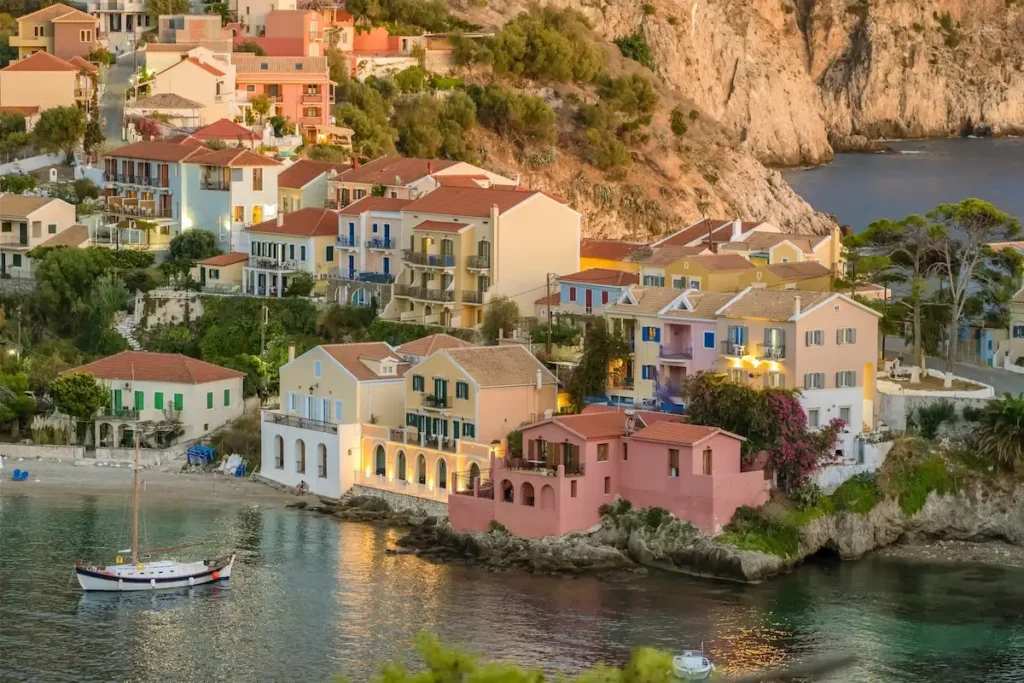
Kefalonia’s size works against it in winter. Distances feel longer, villages quieter, and services more dispersed. A café that feels central in August may close entirely by November. Roads are steeper, wetter, and darker in winter months.
This is not isolation, but it is introspective living. Retirees who stay year-round often adjust their social expectations, plan errands carefully, and create indoor routines. The island does not fill time for you; it gives you space and silence.
Those who understand this difference tend to stay. Those expecting summer energy year-round often leave.
Who This Destination Is Best Suited For
Kefalonia is best suited for retirees who value space, nature, and authenticity over convenience. The island’s dramatic landscape was memorably captured in Captain Corelli’s Mandolin, so for those who want a first impression of the scenery, the film offers a good visual introduction. It works well for active, independent retirees who are comfortable driving, planning, and adapting to seasonal change. It suits those with moderate budgets and flexible housing expectations, as well as nature lovers who enjoy quiet routines. It is less ideal for car-free retirees, those requiring frequent specialist healthcare, or people seeking constant social activity.
Kefalonia rewards patience, self-reliance, and curiosity. For the right person, it offers not escape but belonging.
Realities of Living in the Ionian Islands
As part of our broader coverage of the Ionian islands, you can read how a diaspora member who returns to Lefkada every year navigates the transition, or explore another personal account of returning home in our Kefalonia return testimonial.
To get a realistic view of property values, you can read our interview with a local realtor who breaks down the realities of buying a home here.
***