
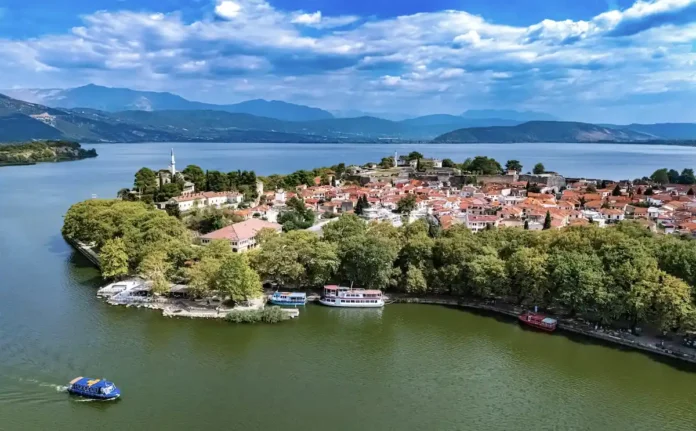
Far from the tourist coast, close to everything that matters
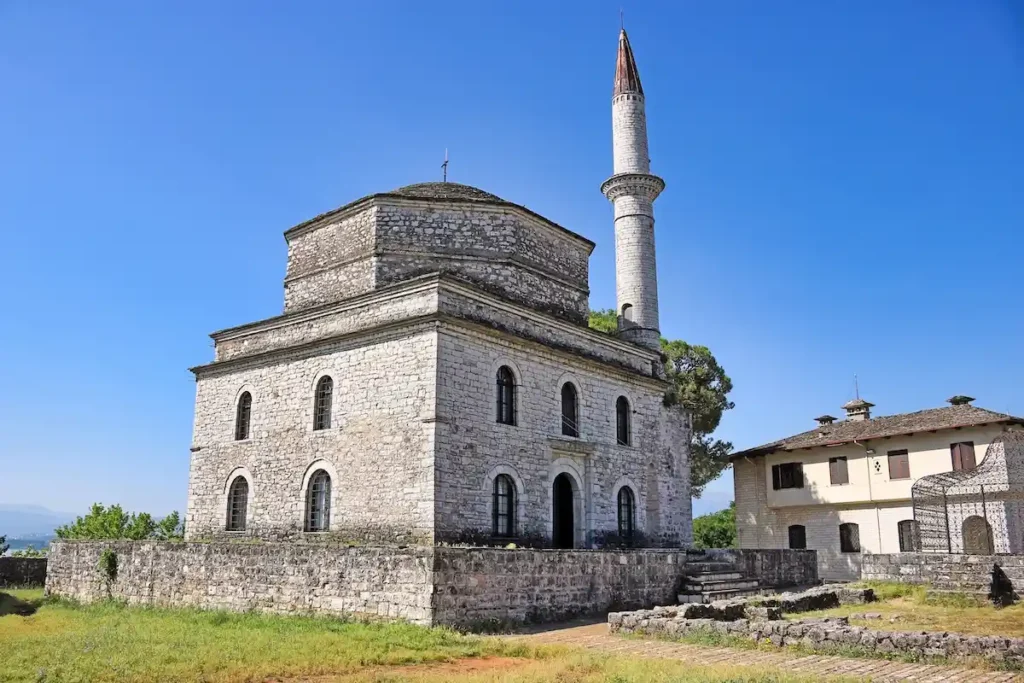
Built along the western shore of Lake Pamvotis and framed by the Pindus mountain range, Ioannina is the capital of the Epirus region in northwestern Greece. It is a university city, a medical hub, and a place where locals have been going about their daily lives, unhurried, rooted, and largely indifferent to tourist trends, for centuries. The Byzantine castle jutting into the lake, the minarets still standing from the Ottoman era, the stone architecture of the old bazaar quarter: Ioannina carries its layers of history without performing them.
For retirees, the city’s appeal is specific. It suits people who are done with noise, who want real neighbourhoods rather than resort infrastructure, and who place medical security near the top of their checklist. It is not, however, a place for those who need a ready-made expat community, warm dry winters, or easy beach access. Ioannina asks something of the people who choose it: a willingness to integrate, to learn some Greek, and to find pleasure in the ordinary rhythms of a city that has never needed outsiders to feel complete.
Location, Access & Connectivity
Ioannina sits in northwestern Greece, roughly 450 kilometres from Athens by road and about 300 kilometres southwest of Thessaloniki. It is inland, with no coastline and no ferry connections, which makes it categorically different from the island and coastal destinations that dominate most Greece retirement conversations. That said, its position is not as isolated as it might first appear.
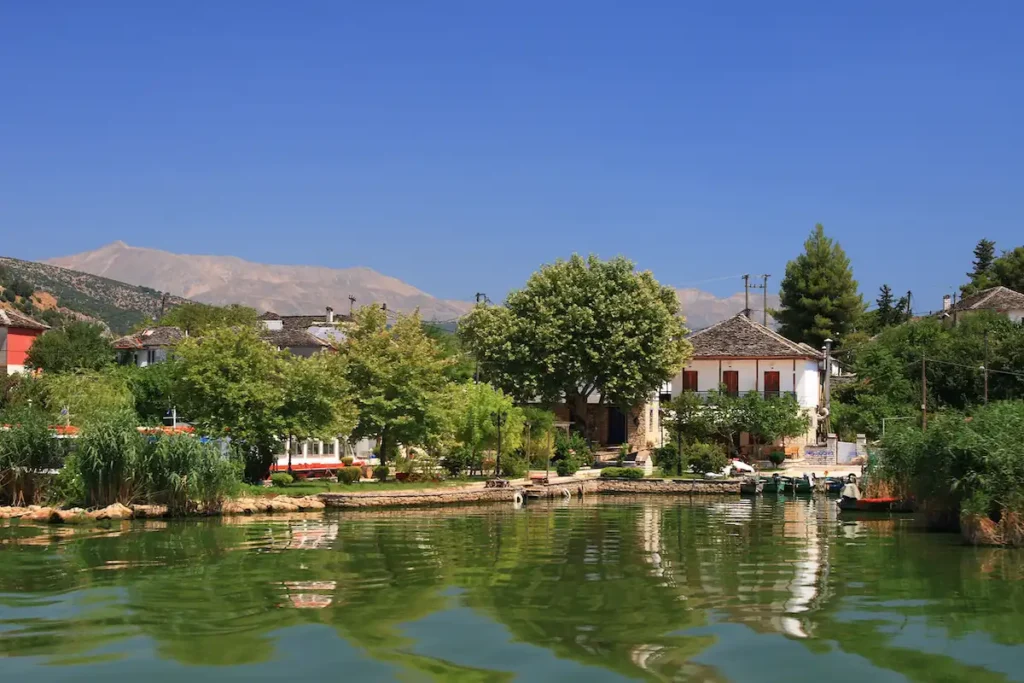
The Egnatia Odos motorway connects Ioannina to the broader Greek highway network efficiently, and the drive to Athens, while long at four to five hours, is straightforward. The city has its own airport, the Ioannina National Airport, with regular domestic flights to Athens. Connections are limited, as this is not a hub, but for medical travel or family visits, the Athens link is reliable enough for most purposes. International travel requires routing through Athens or Thessaloniki.
For retirees weighing emergency access and medical logistics, the connectivity picture is reassuring for routine needs. A scheduled specialist appointment in Athens is manageable. For emergencies, the University Hospital in Ioannina itself handles the vast majority of serious cases locally, which reduces the pressure on transport links considerably. The Ionian coast, Parga, Preveza, and the beaches of Epirus, is only an hour to ninety minutes away by car, providing a genuine escape valve for summer. The Zagori villages and the stone bridges of the Vikos Gorge are practically on the doorstep. Ioannina is not isolated; it is simply not on the way to anywhere, which is part of what keeps it real.
Climate & Seasonal Rhythm
If there is one thing prospective retirees must understand about Ioannina before anything else, it is the climate. This is not a Mediterranean city in the coastal sense. Surrounded by mountains and anchored to a large lake, Ioannina has a distinctly continental climate that produces real winters, heavy rainfall, and persistent humidity, conditions that surprise and sometimes defeat people who arrive expecting the Greece they imagined. A similar reality check awaits on the Aegean, where winter island life shifts dramatically once maritime routes pause for the season and dismantle coastal sunshine myths.
Rainfall is the dominant fact. Ioannina receives around 1,100 millimetres of rain per year, nearly double what Athens gets and roughly comparable to some of the wetter parts of northern Europe. November and December are the wettest months. The lake generates atmospheric humidity that settles over the city in winter, bringing foggy mornings, overcast skies, and a damp cold that seeps into stone buildings and joints alike. Temperatures regularly drop to freezing, snow is not unusual, and heating bills climb noticeably through the colder months. Relative humidity in winter averages between 80 and 88 percent.
Summer, by contrast, is genuinely pleasant. Ioannina is spared the punishing heat that makes Athens and the southern islands difficult for older people through July and August. Temperatures are milder, the air is cooler, and extreme heatwaves are rare. The shoulder seasons, spring and autumn, bring the dramatic Epirot landscape into full colour, with wildflowers in the valleys and mist lifting off the lake in the mornings.
The honest summary: if you have respiratory issues, joint pain worsened by damp cold, or a strong emotional need for sunshine, Ioannina’s winters will work against you. If you find southern Greek summers oppressive and prefer green landscapes and cooler air, you may find it exactly right.
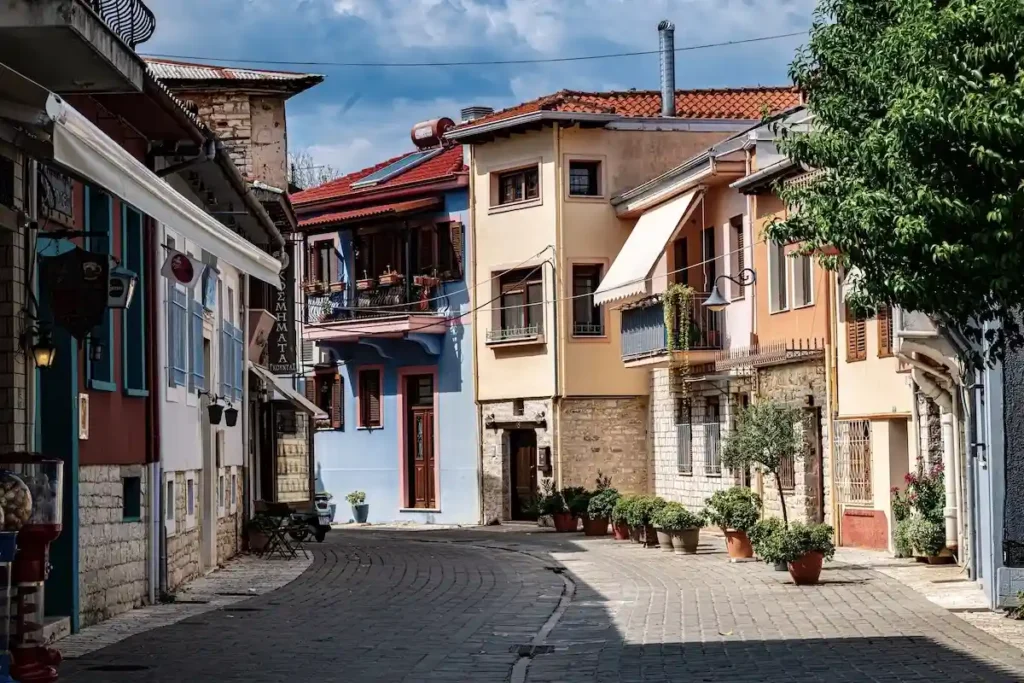
Daily Life & Local Community
With a metropolitan population of around 110,000, Ioannina is large enough to offer genuine urban convenience while remaining comprehensible as a place to live. It has a university, which gives it an intellectual energy and a younger population that keeps the café culture lively without making the city feel transient. The student presence fades somewhat in summer, but the city’s core character, calm, slightly traditional, locally focused, remains constant year-round.
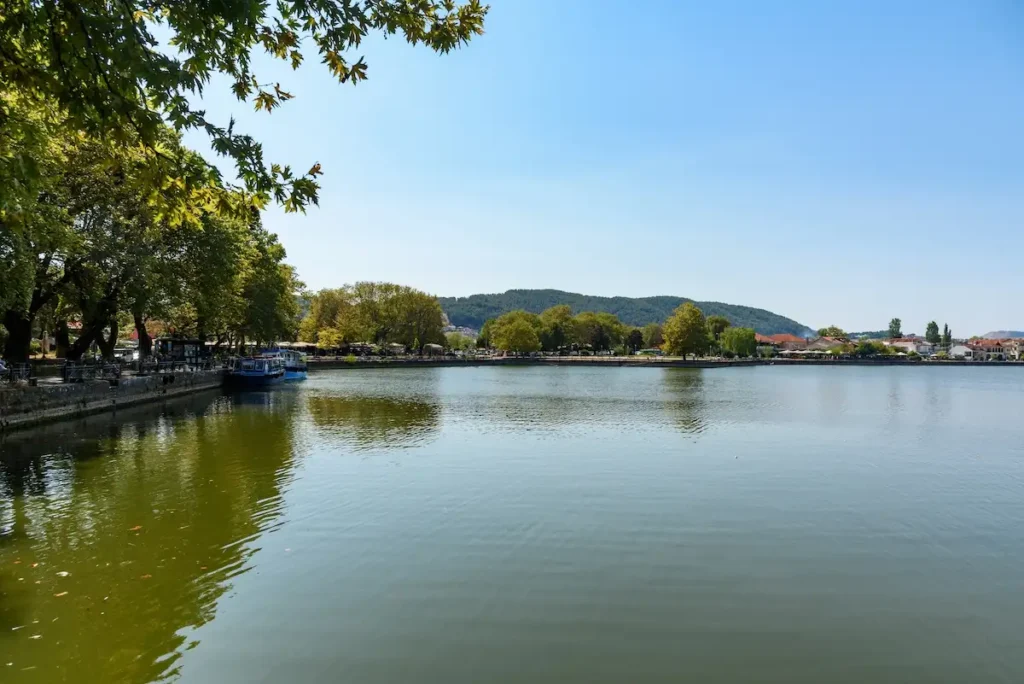
Daily life centres on the lakefront promenade, where residents of all ages walk, sit, and linger over coffee for hours at a stretch. This is not performance for tourists; it is simply how people live here. The café culture in Ioannina is among the strongest in Greece, and the Epirot culinary tradition, hearty, dairy-rich, and rooted in the mountain and lake landscape, gives the local food scene a distinct and genuine character that outlasts any season.
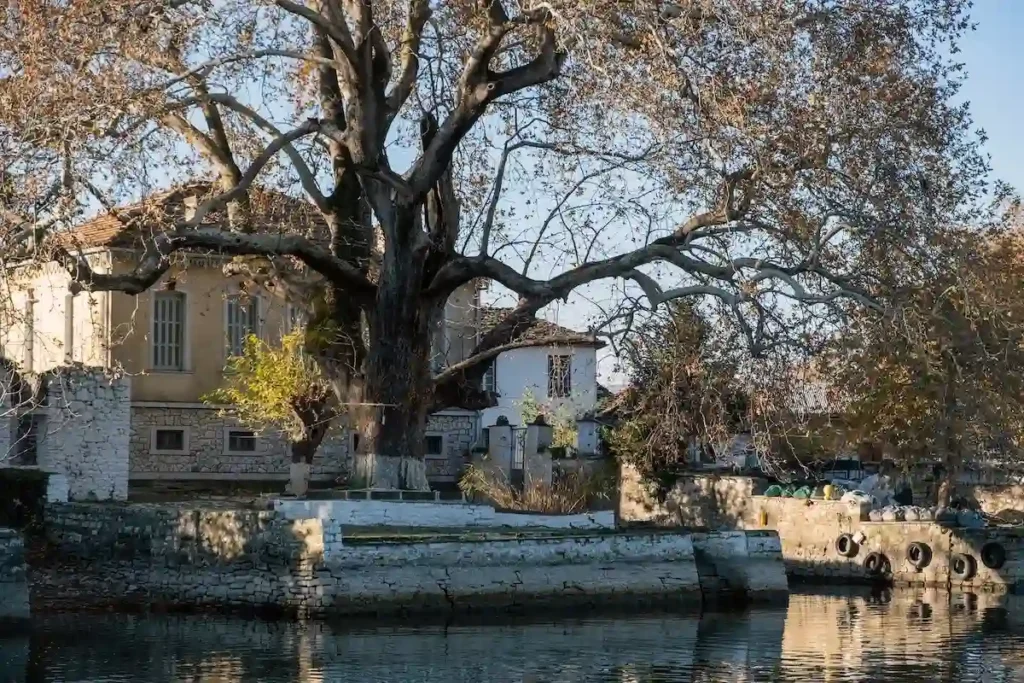
The old bazaar quarter, the castle island in the lake reached by a short boat ride, the stone-paved streets of the historic centre: these are not attractions to visit once but textures of daily life that accumulate meaning over time.
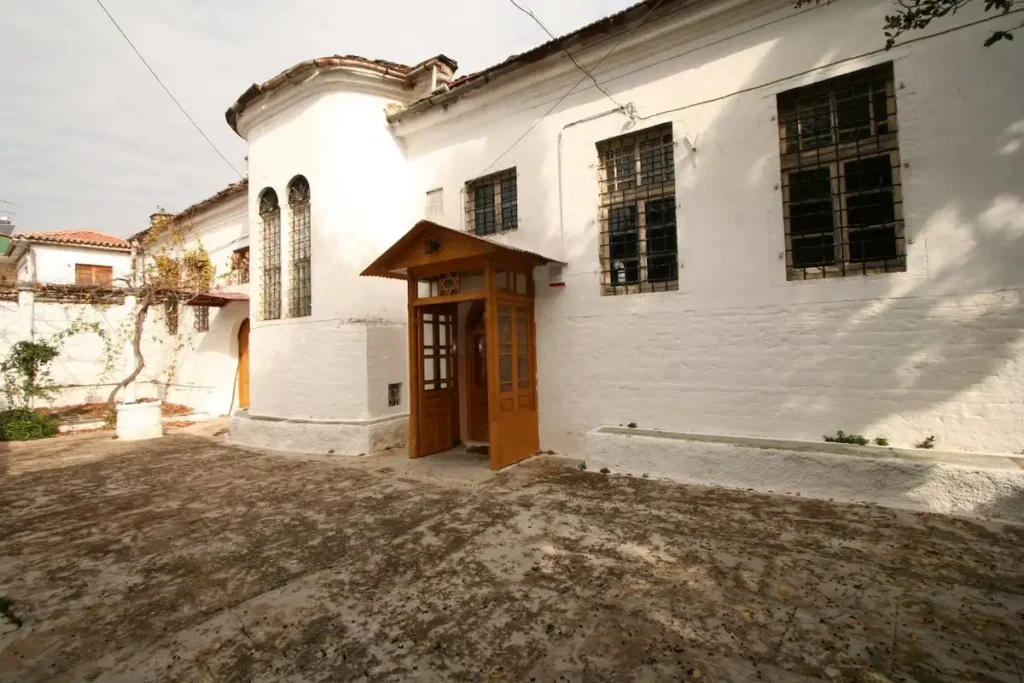
Ioannina also carries a history that sets it apart from every other city in Greece. For over two thousand years it was home to the Romaniote Jewish community, Greek-speaking Jews whose presence in Epirus predates both the Sephardic and Ashkenazi traditions. Before the Second World War, around five thousand Jews lived here; more than ninety percent were deported and murdered during the Holocaust. The community that remains is small, but the city has never treated that history as something to quietly set aside. The fortified synagogue inside the castle walls still stands. And in 2019, Ioannina elected Moses Elisaf as mayor, the first Jewish mayor in the history of modern Greece, a moment that was noted well beyond the borders of the country. For retirees drawn to places with genuine historical depth and a long memory, Ioannina is in a category of its own.
For foreign retirees, the integration challenge here is real. The expat community is small and quiet compared to Crete, the Peloponnese, or the popular island destinations. Ioannina is not an internationally oriented city and does not present itself as one. Retirees who arrive expecting a ready-made expat infrastructure will be disappointed. Those who come prepared to engage with the city on its own terms, to become part of a neighbourhood rather than a parallel community, tend to find it unexpectedly rewarding.
Healthcare & Essential Services
For retirees, healthcare access is often the deciding factor, and on this point Ioannina is unusually strong for a regional city. The University Hospital of Ioannina, one of the largest and most highly rated teaching hospitals in Greece, is located here, providing a level of specialist care that most regional cities of comparable size simply cannot offer. Cardiology, internal medicine, surgery, and emergency services are all available locally, which means that for the majority of serious medical situations, travel to Athens or Thessaloniki is not necessary.
However, accessing public treatment across the Greek healthcare system requires enrolling in the national social security framework, so securing your AMKA number and navigating the step-by-step application process should be one of your first administrative priorities upon arrival.
This is not a minor advantage. Many otherwise appealing Greek retirement destinations, small islands, remote coastal villages, even some mid-sized towns, require patients to be transferred to a major city for anything beyond basic care. Ioannina does not have that vulnerability. The hospital’s teaching status also means it attracts qualified medical staff and maintains standards closer to what you would find in a large urban centre.
Private clinics and specialist practices exist in the city, though foreign retirees must understand how private health insurance works for them. For straightforward private consultations, the options are adequate. For very complex or rare conditions requiring highly specialised intervention, Thessaloniki or Athens may still be the destination of choice, but these are outlier scenarios rather than routine ones.
Pharmacies are well distributed across the city, operating on the standard Greek rotating schedule for after-hours coverage. General practitioners and local health centres handle primary care. Ambulance response in a city of this size and density is reasonable. By the practical standards of what a retiree needs to feel medically secure in Greece, Ioannina sits near the top of the regional options.
Cost of Living Overview
Ioannina is meaningfully cheaper than Athens, significantly cheaper than Crete or the Cyclades, and competitive with other mainland cities outside Thessaloniki. For retirees living on a pension or fixed income, this affordability is one of the city’s most concrete advantages.
Long-term rental for a one-bedroom apartment in a central neighbourhood typically falls in the range of €300 to €550 per month, depending on location, building age, and condition. This is well below what equivalent housing costs in tourist-oriented coastal towns or the larger urban centres. Two-bedroom properties suitable for a retiree with occasional visiting family remain accessible without stretching a moderate budget.
Utilities deserve particular attention here. Ioannina’s cold, damp winters mean heating costs are real and not trivial. Expect monthly utility bills to rise noticeably from November through March, especially in older buildings with less efficient insulation. This is a line item that catches some newcomers off guard and should be factored explicitly into any budget planning.
Groceries and daily food costs are in line with mainland Greek averages, which is to say genuinely affordable by northern European standards. The local markets offer good produce, and Epirot food products, dairy, cured meats, local grains, are high quality and reasonably priced. Eating out regularly at local tavernas and cafés is not a luxury here; it is a normal part of daily life at a cost that most retirees can absorb comfortably.
A comfortable monthly budget for a single retiree living without extravagance but without deprivation, including rent, utilities, food, and regular social life, falls roughly in the €900 to €1,400 range. That figure places Ioannina firmly in the affordable tier of Greek retirement destinations.
Housing & Real Estate Landscape
Ioannina’s housing market has not been distorted by tourism pressure or short-term rental speculation in the way that many Greek island and coastal markets have been. This means the long-term rental supply is more stable, more varied, and more honestly priced than in places where landlords have shifted their portfolios to seasonal visitors. When navigating the local market, however, prospective renters must verify that any real estate agent they work with is officially licensed; unlicensed intermediaries operate outside legal frameworks and carry zero liability if a transaction goes wrong.
That said, the university introduces its own pressure on the rental market. Each autumn, thousands of students compete for apartments, and a significant portion of the available stock never reaches any public listing at all: outgoing students pass their flats directly to friends or classmates, keeping entire buildings in informal circulation for years. A retiree arriving in September or October looking to rent will find the market at its tightest. Planning to search in spring or early summer, well ahead of the academic calendar, is strongly advisable.
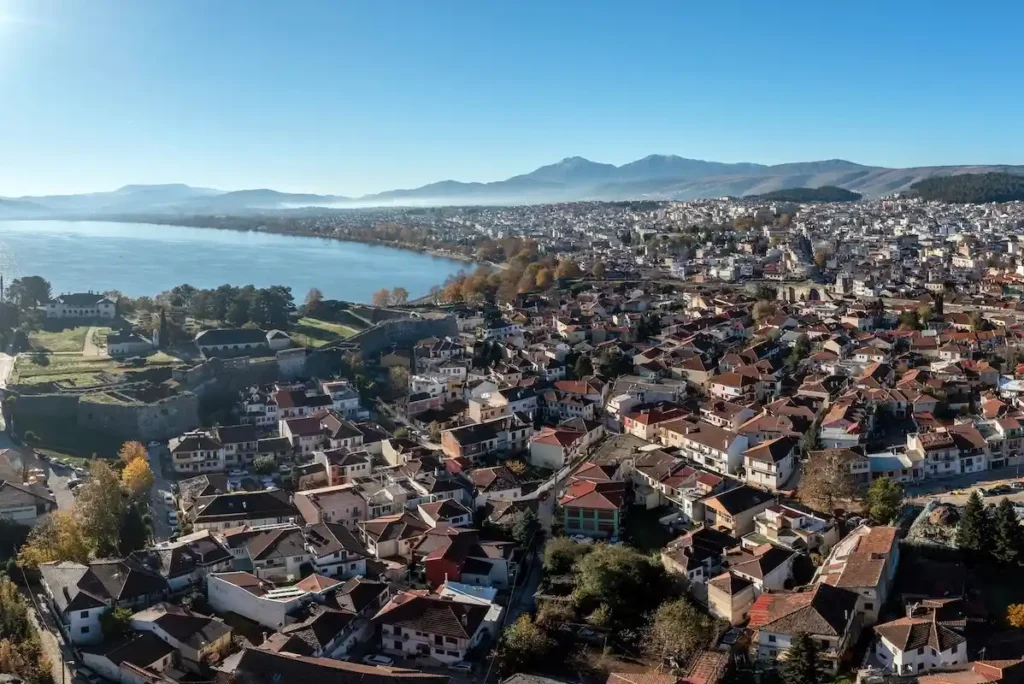
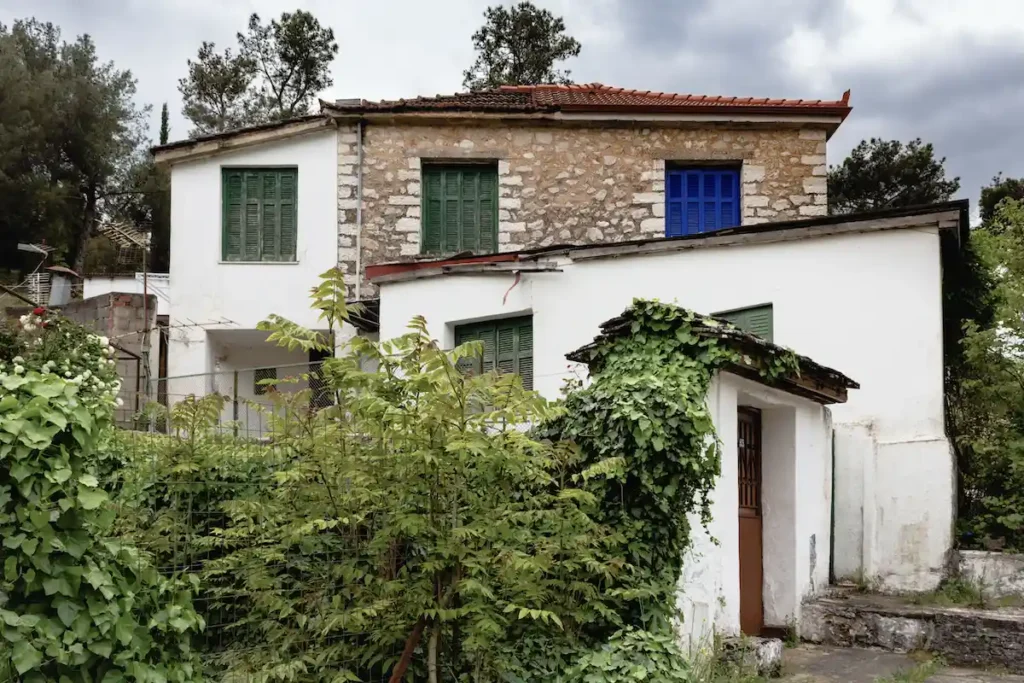
The city’s residential stock reflects its history and layered development. The historic centre and castle quarter contain older stone buildings with considerable character but often requiring renovation. Newer residential neighbourhoods further from the lakefront offer more modern apartments with better insulation and more conventional comforts. For retirees, the practical calculus matters: an atmospheric old building with poor heating and uneven floors may be less suitable than a 1990s or 2000s-era apartment closer to the hospital or the promenade, even if the latter lacks visual drama.
Buying property in Ioannina is possible and less complicated than in border-zone restricted areas of Greece, though all the standard caveats about legal due diligence apply. For most retirees arriving without certainty about their long-term intentions, renting first for a year or more is the sensible approach. It allows you to assess neighbourhoods, understand the winter realities of specific buildings, and make a considered decision without the pressure of an early purchase.
The flat areas around the lake and the city centre are the most practical for retirees concerned about mobility. Some outer neighbourhoods rise into hillier terrain that may become difficult with age. Choosing the right neighbourhood from the outset is worth prioritising.
Lifestyle, Nature & Leisure
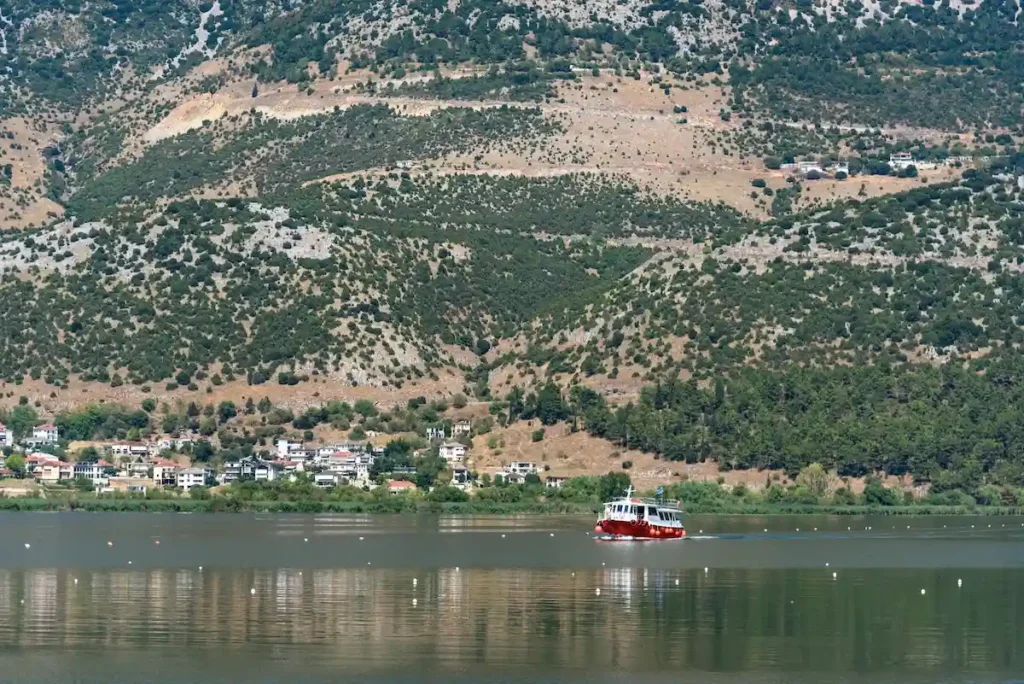
The physical setting of Ioannina is genuinely beautiful in a way that has nothing to do with beaches or postcards. The lake is vast and calm, the mountains are always visible on the horizon, and the surrounding Epirus region is some of the greenest, most dramatic landscape in Greece. For retirees who find joy in walking, in sitting with a view, in the changing light over water in different seasons, the everyday environment here is quietly sustaining.
The lakefront promenade is the social and physical spine of daily life. It is flat, well-maintained, and used by people of all ages from early morning through late evening. Walking it regularly, alone, with a neighbour, with a coffee, becomes the kind of small ritual that gives a day shape. The historic castle island, reached by a short boat crossing, offers a change of scene and a layered historical atmosphere that rewards repeated visits rather than a single tourist outing.
The surrounding region adds depth to leisure without requiring any special effort. The Zagori villages, stone-built mountain communities with arched bridges and gorge trails, are close enough for a day trip. The Vikos Gorge is one of the deepest in the world and accessible to anyone willing to walk at their own pace along its easier paths. The Ionian coast is within comfortable reach for summer outings.
Cultural life in the city itself is modest by major urban standards but genuinely present. Ioannina has theatres, museums, and a calendar of local events rooted in Greek tradition rather than tourist appeal. The culinary scene is worth taking seriously. Epirot cuisine is distinct, regionally proud, and available in restaurants that serve the locals rather than the visitors.
Local Reality Check
Every destination has a version of itself that the pleasant-weather months conceal. In Ioannina, that concealment is the winter. Retirees who visit in May or September and fall in love with the lakeside light, the temperate air, and the unhurried atmosphere sometimes underestimate what December through February will ask of them.
The cold is real and the damp is pervasive. Fog settles over the lake for days at a time. The city can feel grey and closed in during the wettest weeks of November and December. Older buildings without good insulation become uncomfortable without serious heating, and heating costs add up. The lakefront walk that felt so inviting in autumn becomes a windswept, rain-slicked exercise in determination.
None of this is insurmountable. Locals live through it every year, and the city functions normally. But it is not the Greece that many retirees have in mind when they begin planning. Anyone seriously considering Ioannina should make a point of visiting in January or February, not just in the shoulder seasons. The winter experience is not a disqualifier, but it must be a known quantity rather than a surprise.
Who This Destination Is Best Suited For
Ioannina rewards a particular kind of retiree. The strongest candidates are those who prioritise medical security and are reassured by having a major teaching hospital in the city rather than hours away. Budget-conscious retirees who want a full urban life, cafés, culture, services, real infrastructure, without the inflated costs of tourist-oriented destinations will find the value proposition here genuinely compelling.
It suits people who are comfortable with, or actively interested in, integrating into Greek life rather than living alongside it in an expat enclave. Those who find pleasure in nature, in seasonal rhythms, in the slow accumulation of a daily routine in a place with genuine character will do well here.
It is not the right choice for retirees who need warm, dry winters for health reasons, who depend on a large English-speaking social network, or who want the ease of an internationally oriented environment. Ioannina is real Greece, which is both its greatest strength and its honest limitation.
More Mainland Alternatives: Volos & Trikala
If Ioannina’s lakeside charm sparked your interest in northwestern Greece, our guide to Volos explores a vibrant coastal alternative nestled between Mount Pelion and the Pagasetic Gulf, famed for its scenic waterfront and lively tsipouradikodining culture. For retirees seeking a flat, highly walkable setting with smart-city amenities, our Trikala guide highlights a bicycle-friendly mainland hub located just minutes from the breathtaking rock formations of Meteora.
***