
A nostalgic journey to the heartbeat of the Ionian
The following piece is a deeply personal reflection on heritage, landscape, and the inevitable pull of home. Written by a daughter of the island who traveled far only to find her heart never left, it captures the essence of a place where nature and culture intertwine seamlessly.
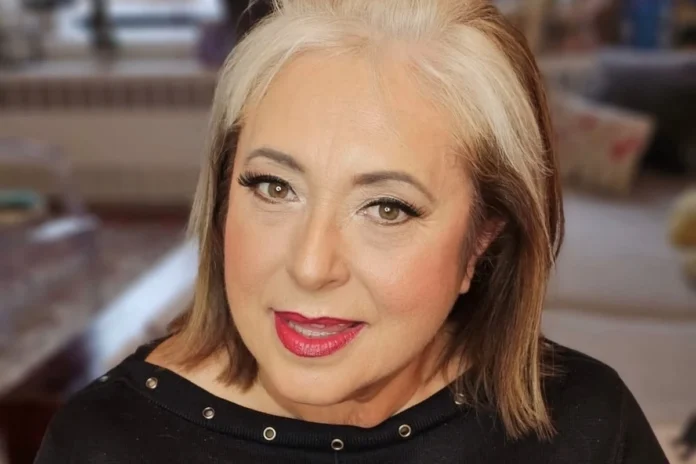
By Justine Frangouli-Argyris
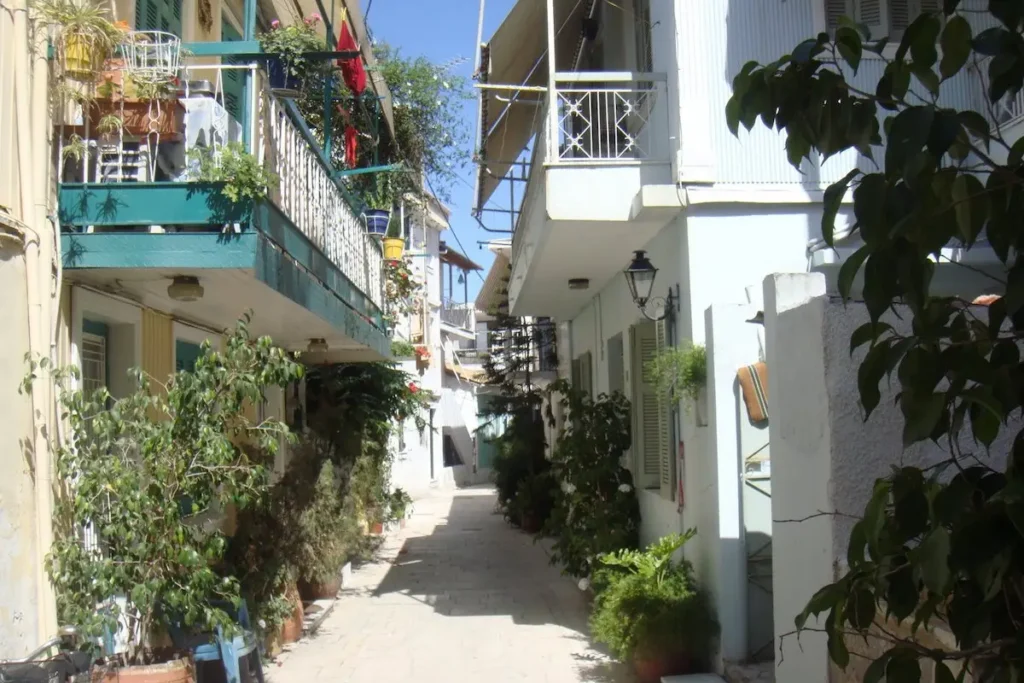
I was born in Lefkada, on an island that is not merely a point on a map, but a living world that has followed me like a second heartbeat wherever life has carried me. I remember the narrow streets (sokakia) of the town as if my feet still know their stones: the tin roofs humming under the rain, the courtyards perfumed with jasmine and basil, the half‑open doors that spoke of trust, of neighbors who cared before you even knew you needed caring. In Lefkada, kindness is not an act, it is the air you breathe.
And yet, life swept me away. I grew up, I left, I lived in cities that never sleep, on streets that do not carry my history, in apartments deaf to the whisper of the sea. I built a life of purpose, family, high career, responsibilities, but as the years passed, I found myself returning more and more often in memory: to the alleys, to the sea, to the light that shaped me.
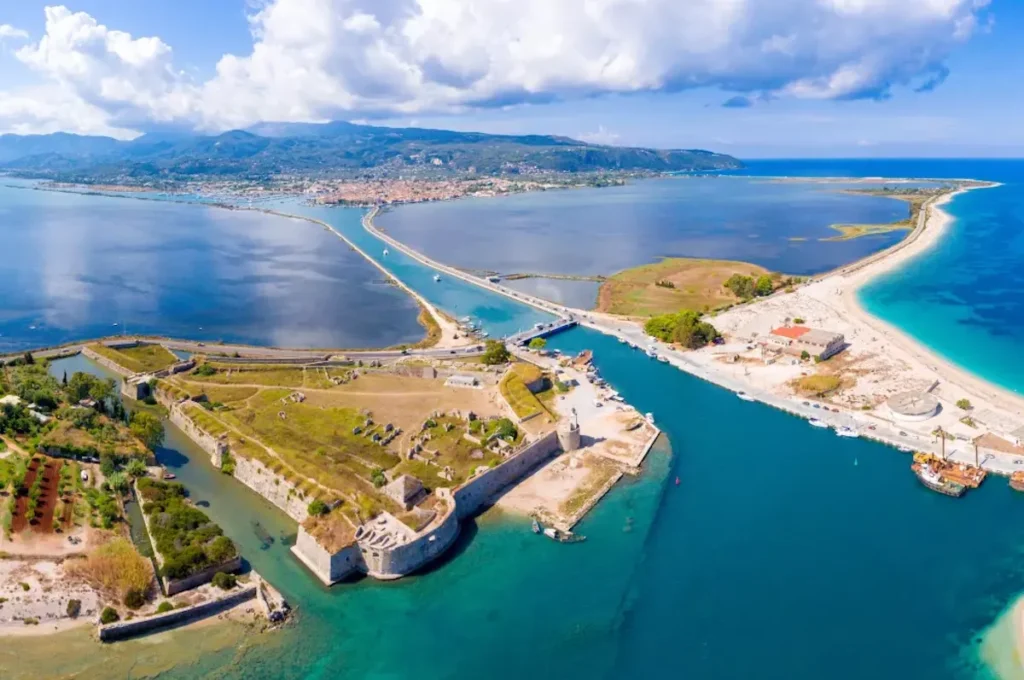
I swam in the waters of Lefkada before I could write my name. At Kastro I learned that the body floats when the soul is unafraid; there I discovered the thousand playful secrets of the sandy seabed. On that long white beach I tasted my first cocktails, and there we lit fires under the August fullmoon, inviting its silver glow to bless our youth.
The Eastern Coast and the Ionian Wilds
On the island’s eastern side, where the sea rests like a gentle embrace, I learned to follow the colors of the seabed with mask and fins. From Nikiana to Nydri, the waters are warm and tender, a place where you can walk far into the sea and feel the world soften around you. Nydri, gazing toward the Prigiponisia and Skorpios, is a small paradise. At dawn, the rising sun lays its blessing on the islets, and time itself seems to slow, becoming more human, more forgiving.
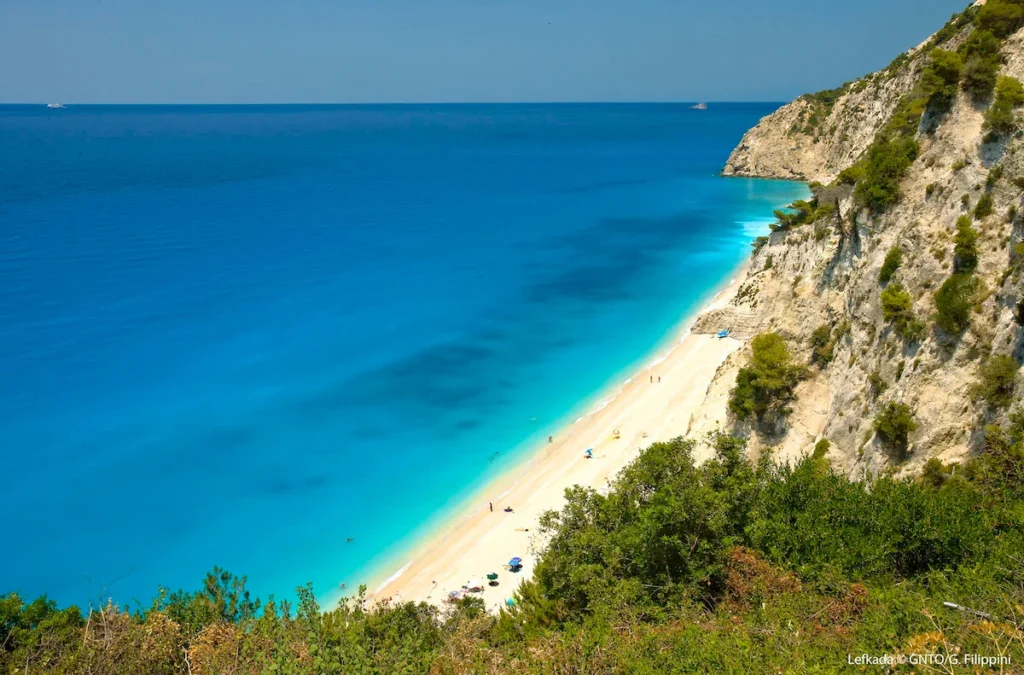
And then there is the other side, the Ionian. Wild, majestic, overwhelming. Porto Katsiki, Egremni, Kathisma… There the sea is not merely blue; it is revelation. A blue that defies language, a light that blinds with beauty, a cliffside moment where you feel small yet fiercely alive. These shores remind you that life has depth and force, that whatever weighs on your heart can be carried off by the wind and scattered across the waves.
The Soul of the Villages
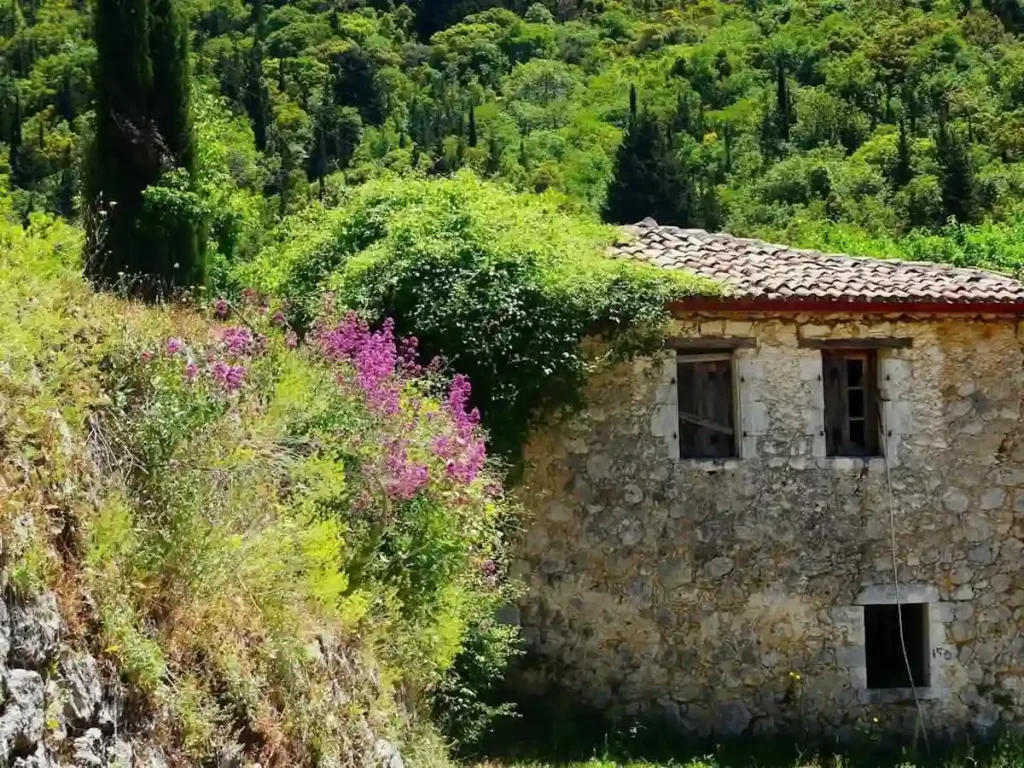
Between these two seas lies an island of villages, each with its own soul. Karya, with its many trees and its generous square, holds the heart of old Lefkada. Its stone‑paved paths are works of art, and in summer you can still hear the echo of women embroidering the famed Lefkadian “valonia”, a craft passed from mother to daughter like a sacred whisper.
Englouvi, perched high on the mountain (my father’s village) is the land of the lentil, the finest in Greece. A humble, proud village that keeps the old ways alive. At the feasts of Prophet Elias or the Virgin Mary, people dance until dawn with a raw, unpolished joy. The lentil of Englouvi is not just a crop; it is a symbol of endurance of earth that nourishes body and memory.
Vlycho, its bay filled with boats and yachts, is a feast for the senses, the surrounding green mountains painting the water with shifting colors as the sun moves across the sky. Vasiliki, at the island’s southern tip, is a haven for those who love the sea and the wind, surfers, sailors, wanderers of the waves. It offers a serenity that settles into your bones. Agios Nikitas, perhaps the island’s most beautiful village, is a postcard come to life: narrow lanes, stone houses, fish tavernas, and at the end of the road a sea that glimmers as if waiting just for you.
A Living Culture and Sanctuaries of Peace
As Lefkada is not only nature, it is culture, luminous and enduring. Its festivals are unforgettable: violins, lutes, dances carried through generations, shaped by the island’s closeness to Aetoloakarnania. Here the stranger becomes a friend, the friend becomes family, and joy is something shared, not owned.
Every August, the International Folklore Festival floods the island with color and music, as groups from every corner of the world join in the dance of Peace. Art exhibitions, photography shows, theater, book presentations, all weave an artistic pulse that beats all year long. Lefkada’s soul is creative, open, alive.
Its monasteries, Faneromeni, the Red Church, Saint John in the Livadi, Saint Nicholas in Nira, are sanctuaries of stillness. You climb to them for uplift, to feel Aristotelis Valaoritis stirring your spirit with tempest and tenderness, and then to rest in the quiet mercy of Orthodoxy.
The Call Home
And now, as my life seeks calm, quality, and human connection, I feel Lefkada calling me home. Returning is easy. With the modern highway, Athens is only four hours away, a smooth, safe, beautiful drive. And at the end of it, you cross a small bridge, a single breath, and you are on the island. No ferry, no waiting, no burden. It is like stepping from the world of haste into the world of serenity in one simple motion.
For a retiree, Lefkada is not just beautiful, it is healing. Its rhythm is human. Days unfold without rush, without noise, without the weight of urgency. Mornings begin with coffee on the western coast of the city, where the bars line the shore and people greet you by your first name, asking about your life with an innocent boldness.
The climate is mild, the winters soft (though rainy, you must always carry an umbrella), the summers radiant. Nature embraces you: pines, olive trees, beaches that shift color with the sun. The air is clean, the sea ever-present, reminding you that life can be simple and full.
Lefkada offers safety, a modern hospital, and above all people who care. It offers culture, music, festivals, books, gatherings, a life rich of activities. And something even more precious: space. Space to breathe, to think, to create, to live without pressure.
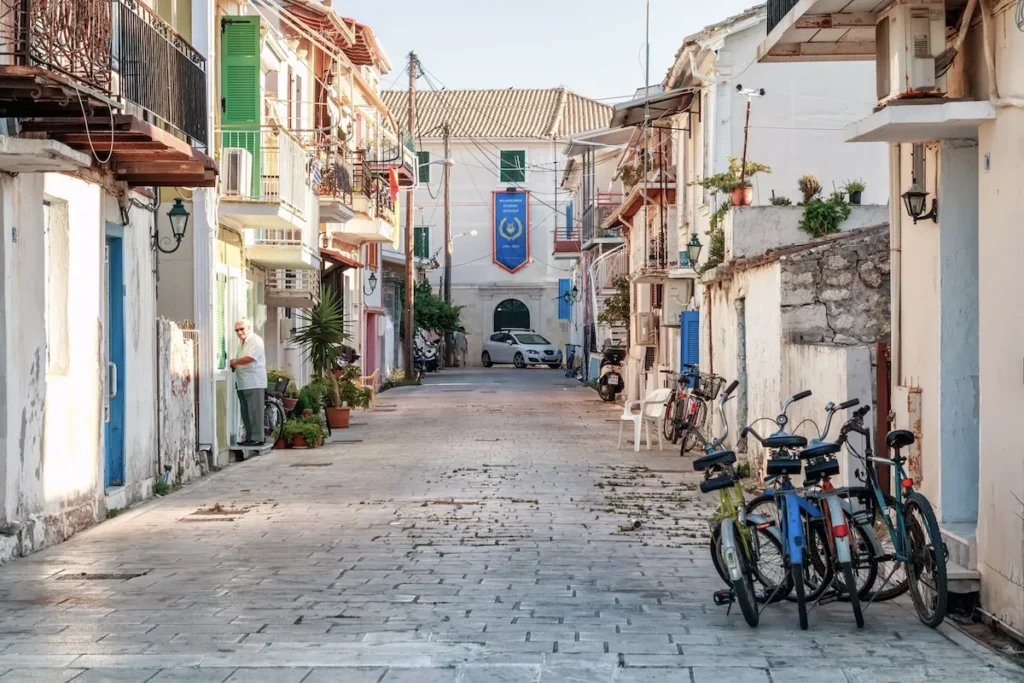
Bicycles and walking are the island’s quiet heartbeat. Lefkadians ride their bicycles well into old age, winter and summer alike.
And practically, it is an island that never isolates. The bridge ties it gently to the mainland, making travel easy, needs accessible, daily life effortless. The cost of living is kinder, the quality of life higher.
I want to return to Lefkada because that is where I belong. Because there the day has meaning, nature speaks, people remember. Because there I can live not the years of retirement, but the years of true life, life that finally has the time, the space, and the serenity I have always sought.
Lefkada is not only the place where I was born. It is the place that waits for me to come home.
ABOUT THE CONTRIBUTOR
Justine Frangouli-Argyris
Author & Journalist | President, Lyceum of Greek Women of Montreal
Montreal, Canada
Published Books: Book Index (Biblionet)
Reference: Wikipedia Biography
Editorial Contributions: HuffPost Greece & North American Diaspora Media
Beyond the shores of Lefkada, the Ionian islands offer a diverse array of experiences to explore. For personal insights into neighboring island life, you can read a firsthand Kefalonia testimonial by a Greek-Canadia retiree. We also invite you to experience the distinct atmosphere of Paxoi as captured in the series Maestro in Blue.
***