
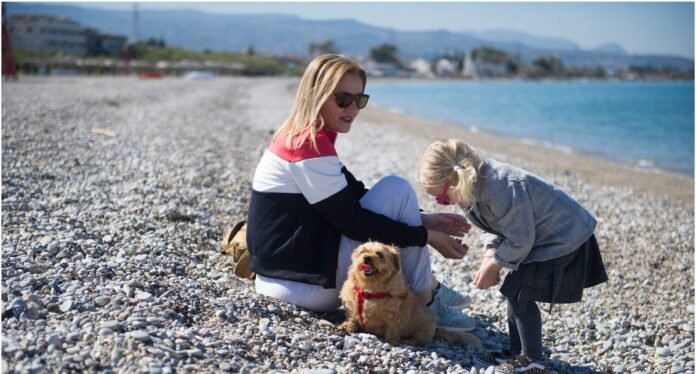
Nikol Lafazani, realtor, offers insight into local trends
In an exclusive interview with Greece Retirement Guide, Nikol Lafazani, a dedicated real estate agent based in Corinth, Peloponnese, shares her journey and passion for helping foreign retirees find their ideal home in the region. The story of Lafazani Homes began in 2000, when Nikol, returning from Athens, decided to join her mother and twin sister in the family’s real estate activities. With her background in marketing and her sister’s expertise in photography, the sisters gradually immersed themselves in the complexities of the Greek property market, learning to navigate the bureaucratic landscape that defines every transaction.
After two years of gaining experience and building a reputation, Nikol launched her own agency, Lafazani Homes. The agency opened its dedicated office in Corinth, solidifying its presence in the local market. Nikol views real estate as a people-centered profession that demands responsibility, dedication, and an understanding of the human side behind every transaction.
What are the key criteria a retiree should consider when choosing an area in Corinthia for permanent residence?
A retiree would be wise to assess the road network first, some beautiful villages come with challenging access, and, equally important, proximity to healthcare facilities such as doctors and hospitals. While not everyone does this, many people clearly define their search radius, often stating that they want to live “within 30 minutes of the nearest hospital.”
Which areas of Corinthia do you consider most suitable for a quiet, safe, and comfortable retirement?
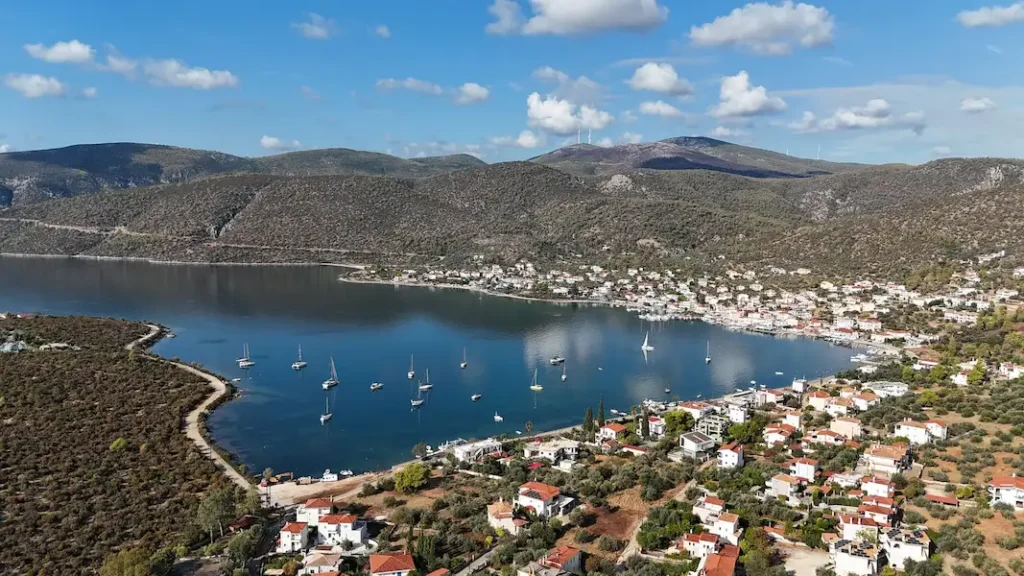
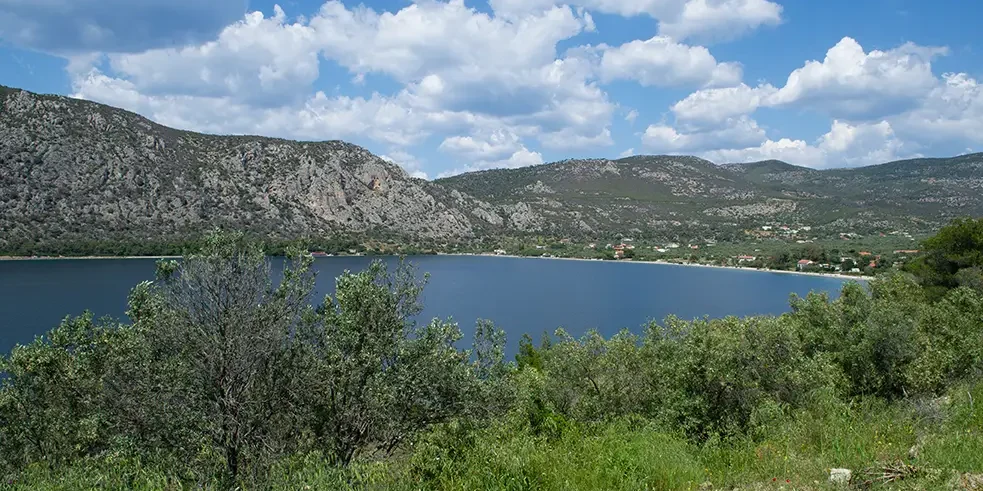
Generally speaking, Corinthia is a safe region overall. That said, there is a clear preference for the small coastal villages of Eastern Corinthia, where summers tend to be less noisy and the sea calmer. Mild winters, low humidity, and a slower pace of life create an ideal living environment. Just as important, locals are welcoming and tend to embrace newcomers warmly.
Are there significant price differences between coastal areas and mountain villages?
Absolutely. Prices in mountain villages are typically 35% to 55% lower and have changed very little over the past five years. Mountainous Greece, despite its stunning natural beauty, struggles to compete with the sea, although there have been some recent efforts to improve infrastructure. Demand for coastal properties has remained high over the past decade and continues to be strong. Anything with direct access to the sea is expensive, followed closely by properties with unobstructed sea views.

What is the average home purchase price in Corinthia today, and how has it evolved over recent years?
About a decade ago, prices averaged around €2,200 per square meter. Today, new-build properties are reaching approximately €3,000 per square meter. Areas such as Loutraki have become almost unaffordable for the average Greek buyer. Rising tourism, the Golden Visa program, and the Airbnbs have created an explosive mix. At the same time, foreign investors have entered the market and continue to push prices upward.
For those who prefer renting, what are the typical price ranges for a home suitable for year-round living?
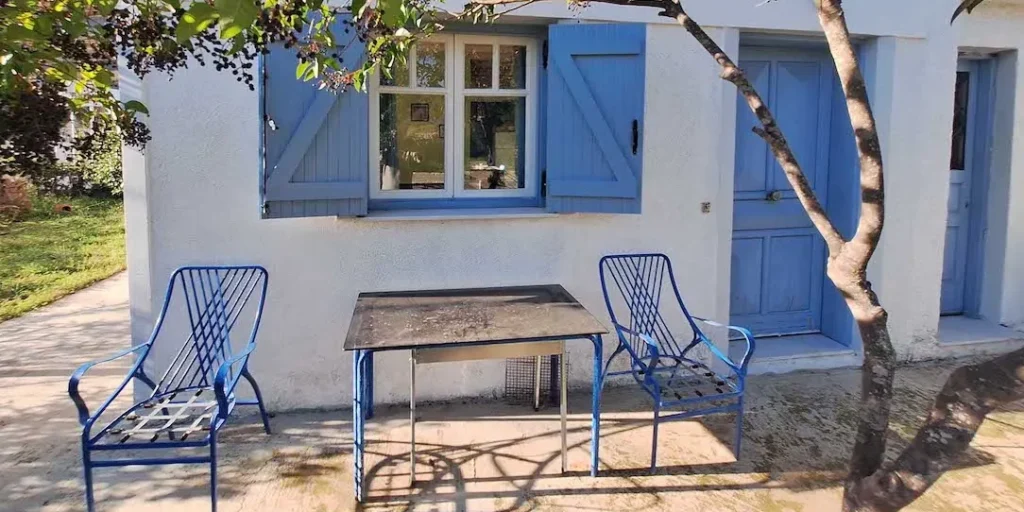
Prices vary depending on the type of property: detached houses versus apartments, for example. However, regardless of category, a decent home must have autonomous heating, as many summer residences lack this infrastructure, and it should be fully furnished. Foreign residents typically look only for fully furnished and equipped properties. In coastal villages, rents start at around €500 – €650 for well-maintained two-bedroom apartments of approximately 70 – 90 square meters.
Do you recommend a step-by-step relocation plan for foreign retirees, perhaps renting first and then investing?
Interestingly enough, most retirees who come to us with this dream are already very familiar with Greece. They arrive well-informed and confident about their next step. Gradual relocation plans are more common among younger age groups or digital nomads seeking a slower pace of life. Retirees tend to be more decisive.
What are the most common mistakes foreign buyers make when searching for property in the area?
Given the financial magnitude of a property purchase, it is a serious decision that requires careful consideration of many factors. Foreign buyers, in particular, tend to conduct thorough due diligence.
So-called “mistakes” are usually made by those at the very early stage of their search: people who are not yet ready to buy, who focus primarily on price listings found online without first getting to know the area. For example, one cannot realistically ask for a beachfront home in Agioi Theodoroi without knowing that the Motor Oil refinery is located just a few kilometers away.
Do you believe that purchasing property in Corinthia has investment value for future returns?
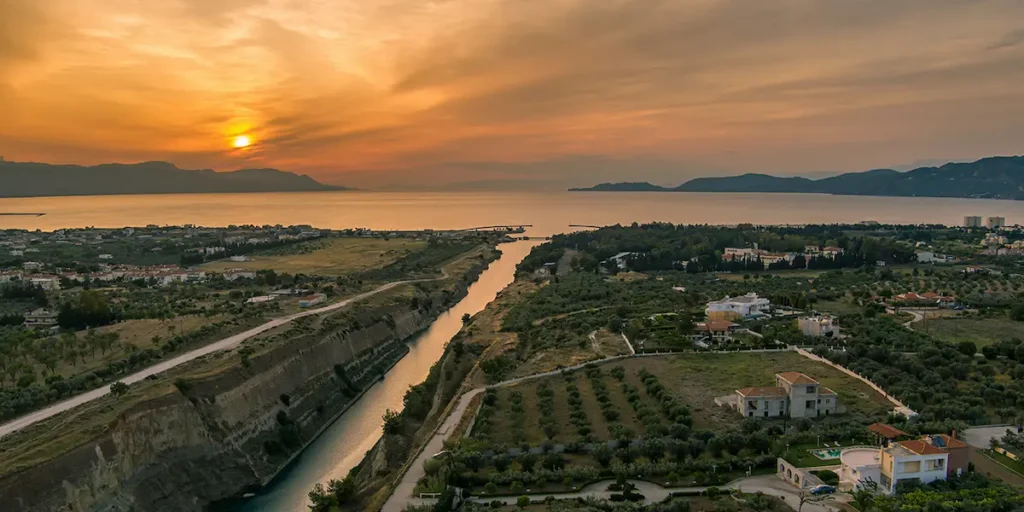
Yes, absolutely. Buyers with an investment mindset often ask first, “How much could this property rent for per night on Airbnb or during the season?” Holiday homes generally have high resale value and rarely remain unsold.
What is the annual maintenance cost of a typical home (shared expenses, heating, garden, insurance, etc.)?
Compared to similar costs abroad, expenses in Greece are significantly lower. For example, average annual home insurance for a 100-square-meter property abroad can reach €2,500, whereas in Greece it costs around €450 per year. Shared expenses and garden maintenance are relatively low, and heating costs mainly affect winter residents.
Overall, currency exchange rates create almost “land of opportunity” conditions for those earning foreign income while living with Greek prices. They are genuinely fortunate.
Are there reliable renovation companies in the area, and what are the typical costs for a mid-range renovation?
Yes, there are reliable contractors and architects working with established crews. While the question is broad, indicative costs are about €1,000 per square meter for extensive renovations that include hidden infrastructure such as plumbing and electrical systems, requiring demolition work. For more moderate renovations (bathrooms or kitchens, flooring, and window frames without structural intervention) costs are closer to €750 per square meter.
Do you oversee renovations on behalf of clients who live abroad? If so, what does that service include?
We have done so in the past. While it is an interesting field, it also carries great responsibility. Today, as a family-run office with limited time, we no longer offer full renovation supervision. However, we collaborate with reliable professionals who have their teams and recommend them to our clients.
We manage small-scale interventions, acknowledging the difficulties of living far away and responding to unforeseen issues. For this reason, we often keep spare keys at our office for clients who reside abroad.
How easy is it to find skilled electricians, plumbers, carpenters in small villages of Corinthia?
Finding them is simple; the language barrier is the main challenge. Most do not speak English, so we frequently act as intermediaries and translators.
What is the process of purchasing property for a foreign buyer? How long does it usually take? Is a lawyer necessary if there is already a real estate agent? What do you recommend?
First and foremost, a non-Greek buyer must be prepared in terms of documentation: obtaining a Greek tax number (AFM), registering with the tax office for foreign residents, and ideally opening a Greek bank account. Lawyers handle these procedures, particularly the latter, which necessitate extensive documentation.
Our role and that of the lawyer are complementary, never competitive. The lawyer is essential for conducting title checks, verifying the absence of mortgages or legal encumbrances, and issuing the final legal clearance to proceed.
We coordinate the administrative side of completing the contract, which is substantial. Our goal is to move the process forward as quickly as possible, but timelines depend on the property file. If everything is in order, a transfer can be completed within a month. If legalizing documents are missing (such as a bank clearance letter or a court decision) delays can unfortunately last several months.
What are the most common legal or bureaucratic pitfalls foreign buyers should be aware of?
Issues with property titles, zoning violations, incorrect land registry entries, and adverse possession claims without contracts are just a few of the risks, not only for foreigners but for any buyer. These pitfalls highlight why working with an experienced agent, lawyer, and engineer is not a luxury but a fundamental requirement for safety. That said, every property has its own unique history, and generalizations should be avoided.
How easy is it to find housing with access to healthcare services, pharmacies, and public services?
In tiny villages, one will typically find only a pharmacy. Most small provincial towns, however, have private doctors, health centers, and public services. Public services are increasingly handled online (payments, service requests, registrations) and foreigners are usually very comfortable navigating digital platforms.
Are there areas particularly popular with foreign retirees? If so, why?
The coastal side of Corinthia, with its Mediterranean climate (mild winters and warm summers) is especially popular among foreign retirees seeking sunshine and quality of life. The area’s proximity to the airport (about 1.5 hours by suburban rail), its many beaches, and quick access to destinations such as Nafplio (45 minutes by car) and Athens (one hour) make it an ideal base for exploration. Housing costs are also far more affordable than on the Greek islands.
How does seasonality (tourism, summer crowds) affect daily life in coastal areas?
While seasonality in Corinthia is not extreme as it is in destinations like Santorini, the summer influx brings both vitality and inevitable challenges. Roads, beaches, and shops become crowded, making transportation and parking more difficult, and municipal infrastructure (especially water supply and sanitation) is put under strain. Some areas, such as Vrachati, face serious water scarcity issues.
What is the availability of public transportation, and how important is owning a car?
Public transportation exists, but rural areas cannot compare to Athens’ extensive network. Convenient rail access is available to and from the airport, and the anticipated extension of the suburban rail line to Loutraki is a highly favorable development. Still, anyone planning a long-term stay would benefit greatly from having a car. It allows for independent exploration of the region’s beautiful villages and the freedom to swim at a different beach every day if desired.
What advice would you give to a retiree visiting Corinthia for the first time with no prior knowledge of the area?
Most foreign retirees are well-traveled and discerning. Still, if someone is visiting Corinthia for the first time and loves the sea, it is best to plan their initial trip between May and October, when they can enjoy the clear waters and organize boat excursions for truly memorable experience.
If you are looking into moving to the Corinthia area, the Mayor of Sikyon gave us an exclusive interview detailing the benefits of relocating to Kiato.
Having your own car is highly recommended for getting around Corinthia. Check out our step-by-step piece on how to exchange your driver’s license.
ABOUT THE EXPERT
Nikol Lafazani, Licenced Real Estate Agent
Lafazani Homes - Real Estate Services
Public Commercial Registry Number (ΓΕΜΗ): 120909437000
Kiprou 37, Corinth, Peloponnese
info@lafazanihomes.com

Nikol and her team specialize in properties across Eastern Corinthia villages, including Loutra Oraias Elenis, Almyri, Katakali, Isthmia, Kechries, Korfos, and both New and Old Epidaurus (Argolis), as well as Western Corinthia towns and villages such as Lechaio, Perigiali, Assos, Vrachati, Kokoni, Nerantza, Ancient Corinth, and Xylokastro.
***