
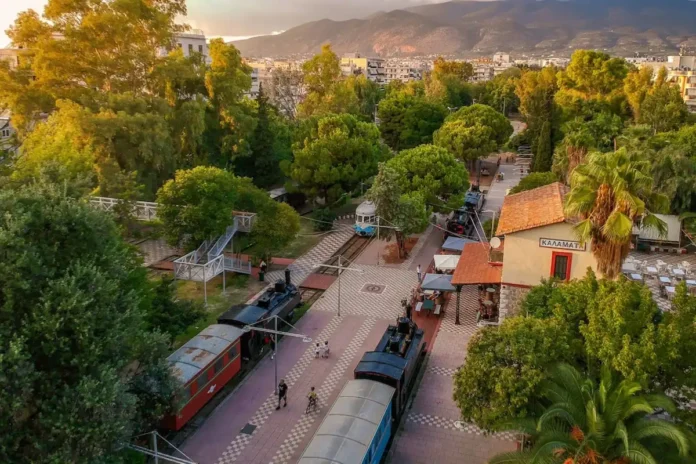
An International Hub of Urban Comfort and Seaside Accessibility
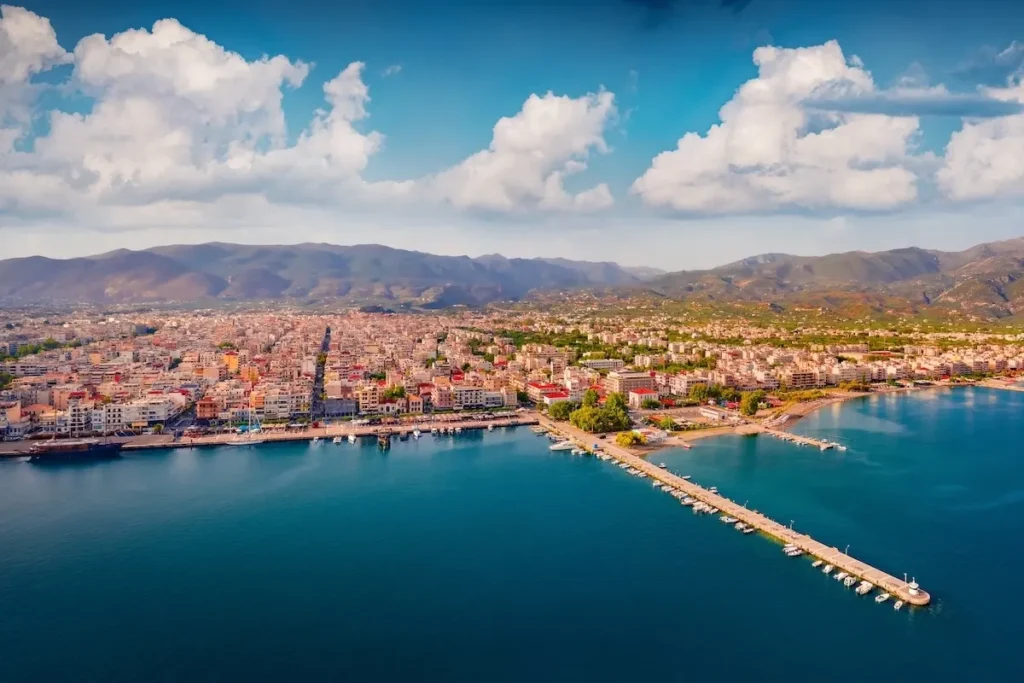
For a foreign retiree considering permanent relocation to Greece, Kalamata stands out as a city designed for real, year-round living. It is neither a tourist enclave that empties once summer ends nor a sleepy provincial town lacking infrastructure and services. Kalamata offers a rare and increasingly sought-after balance between the vibrancy of a contemporary urban center and the relaxed pace of a seaside destination. This equilibrium is precisely what appeals to retirees who want comfort without isolation, activity without pressure, and beauty without excess.
Within minutes, one can move from the city center to the beach or from the coastline to the foothills of Mount Taygetos, without long commutes, heavy traffic, or the sense of disconnection that often characterizes larger cities. At the same time, Kalamata has developed a distinctly international profile, welcoming digital nomads, university students, and long-term foreign residents, which creates an open, outward-looking social environment. For retirees arriving from abroad, this international presence reduces the feeling of being an outsider and makes integration easier.
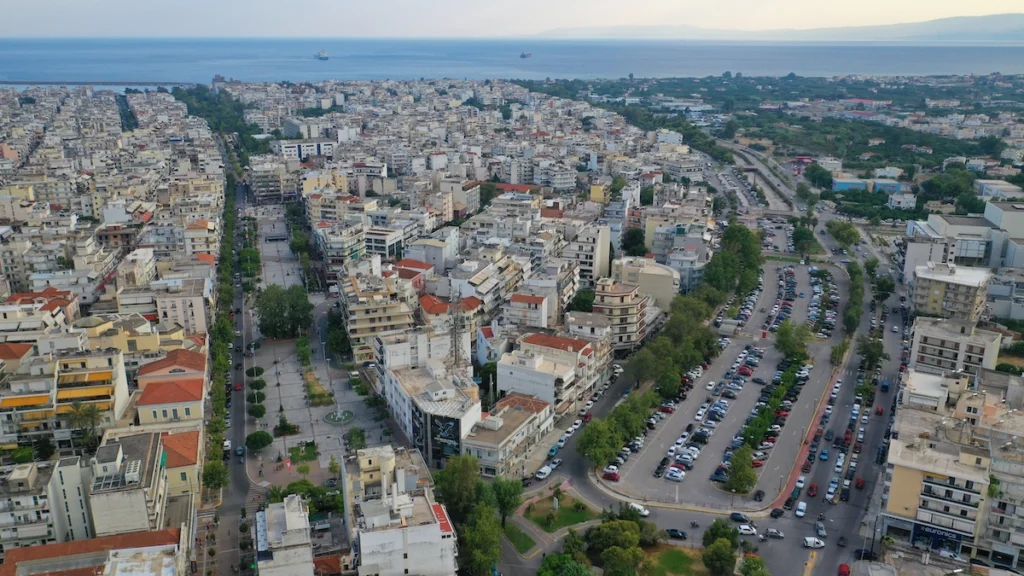
Living costs remain moderate compared to Athens or most Western European cities, while access to healthcare, fresh food at the traditional open-air market, culture, and outdoor activities is immediate and uncomplicated. Kalamata does not promise an idealized Mediterranean fantasy; instead, it offers something more valuable: a sustainable, human-scale lifestyle that works in everyday reality. For retirees seeking sunshine, walkability, social interaction, and reliable services, Kalamata represents not an escape from life, but a place where life continues naturally.
Location, Access & Connectivity
Kalamata is located in the southwestern Peloponnese, in the heart of Messinia, facing the Messinian Gulf and backed by the foothills of Mount Taygetos. It functions as the main urban and administrative center of the region rather than a satellite town or resort.
From Athens, Kalamata is approximately 240 kilometers away and can be reached in just over 2.5 hours by car via the modern Olympia Odos and Moras highways, making road access straightforward and reliable year-round.
The city is served by Kalamata International Airport, which handles both domestic flights and seasonal international routes, particularly from northern and western Europe. While flight frequency decreases in winter, year-round connections via Athens remain dependable. For retirees, this means manageable logistics for visiting family, medical travel, or onward international connections. Long-distance buses (ΚΤΕΛ) operate daily routes to Athens and other Peloponnese cities, offering an affordable and consistent alternative to driving.

The flat terrain and the network of dedicated paths mean that a bicycle is a viable way to get to the market, the pharmacy, or the beach without the frustration of finding a parking spot. This ease of movement defines the day.
Unlike island destinations, Kalamata does not face ferry cancellations or weather-related isolation in winter. Emergency access is uncomplicated, with ambulance routes and major roads remaining fully operational throughout the year. This stability is particularly valuable for retirees who prioritize continuity of services, medical access, and predictable mobility over scenic remoteness.
Climate & Seasonal Rhythm
Kalamata enjoys a classic Mediterranean climate that strongly supports year-round living rather than seasonal habitation. Summers are long, warm, and dry, with average daytime temperatures around 30–31°C. Sea breezes along the coast help moderate heat, allowing outdoor activities to continue even during peak summer months. Air conditioning is commonly used but rarely needs to run continuously.
Autumn is extended and gentle, with temperatures typically ranging from 20°C to 25°C well into October. This is one of the most pleasant periods for retirees, combining warm sea temperatures with fewer crowds and lower humidity. Winters are mild by European standards, with daytime temperatures generally between 10°C and 15°C. Rainfall increases, but prolonged cold spells are rare, and snowfall is virtually nonexistent within the city itself.
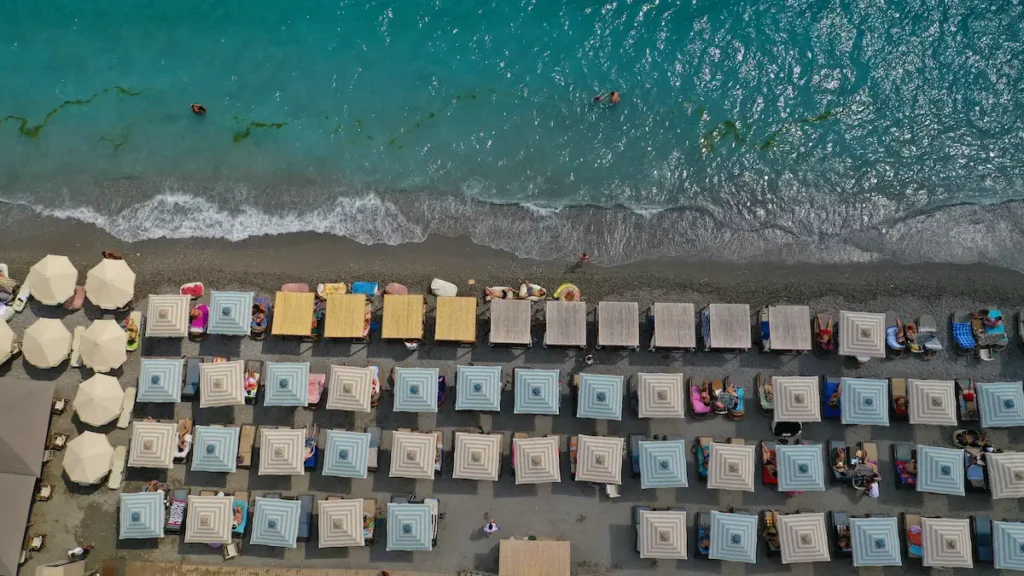
Spring arrives early, bringing blooming landscapes, comfortable temperatures, and ideal conditions for walking and cycling. Heating needs in winter are moderate, often limited to evenings, while cooling costs dominate in summer. Overall, the seasonal rhythm in Kalamata shapes daily life gently rather than disruptively, supporting consistent routines, outdoor social life, and physical activity throughout the year.
Daily Life & Local Community
Kalamata has a substantial permanent population and does not depend exclusively on seasonal tourism. This creates a stable rhythm of daily life that retirees often find reassuring. Shops, cafés, public services, and healthcare facilities operate year-round, and the city retains its social character even outside the summer months.
The pace of life is relaxed but not stagnant. Mornings often revolve around local cafés, bakeries, and markets, while afternoons may include walks along the beachfront or through the Municipal Railway Park. The long, flat promenade along Navarinou Street is a social artery used daily by residents of all ages, making it easy for newcomers to feel part of everyday life rather than observers of it.
Kalamata has developed a visible international presence, including foreign retirees, digital nomads, and students. This reduces social isolation for newcomers and creates informal support networks. While Greek remains essential for deeper integration, basic English is widely spoken in services, healthcare, and social settings. Retirees who make an effort with the language generally find locals welcoming and patient.
Unlike resort towns that quiet dramatically in winter, Kalamata maintains cultural events, lectures, performances, and community activities year-round, offering structure and stimulation beyond the tourist season.
Healthcare & Essential Services
Healthcare in Kalamata is anchored by the General Hospital of Kalamata, the primary public hospital for the Messinia region. Located approximately 8.5 kilometers from the city center, it offers 24/7 emergency services and a broad range of specialties, including cardiology, oncology, pediatrics, dialysis, and intensive care. As of 2026, the hospital has undergone digital and energy upgrades as part of national modernization initiatives.
Public healthcare is accessible to residents and EU citizens with a European Health Insurance Card, though waiting times for non-urgent procedures can occur. Medical staff are generally well-regarded for professionalism and English proficiency, particularly in emergency settings.
Private healthcare complements the public system. City Hospital in central Kalamata provides faster access, modern diagnostic facilities, and specialized services, with an International Patient Center assisting foreign residents. Numerous private doctors, diagnostic centers, and pharmacies operate across the city, many offering same-day appointments.
Ambulance services are reliable within the urban area, though response times may vary in remote mountain villages. Overall, Kalamata offers one of the strongest healthcare environments outside Athens for retirees seeking reassurance without metropolitan congestion.
Cost of Living Overview
Kalamata remains one of the more affordable mid-sized Greek cities, particularly when compared to Athens or popular island destinations. Long-term rents are significantly lower than in major urban centers, and daily expenses align well with fixed retirement incomes.
Utilities are moderate, with winter heating costs lower than in northern Greece and summer cooling offset by sea breezes. Food costs are especially favorable, thanks to local production and the central market, where retirees can shop directly from farmers. Eating out is a regular social activity rather than an occasional luxury, reinforcing daily social integration.
Transportation costs are minimal for those living centrally, as walking and cycling are practical options. Public transport and taxis are inexpensive, and car ownership is optional rather than essential. Overall, Kalamata allows retirees to maintain a comfortable, active lifestyle without constant budget pressure, making it particularly appealing to those seeking value without compromise.
Housing & Real Estate Landscape
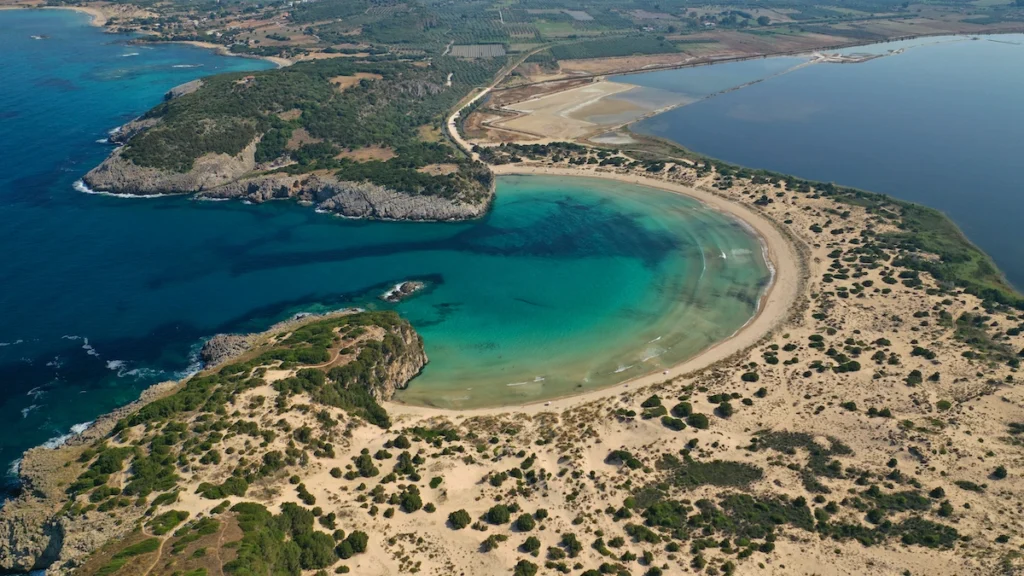
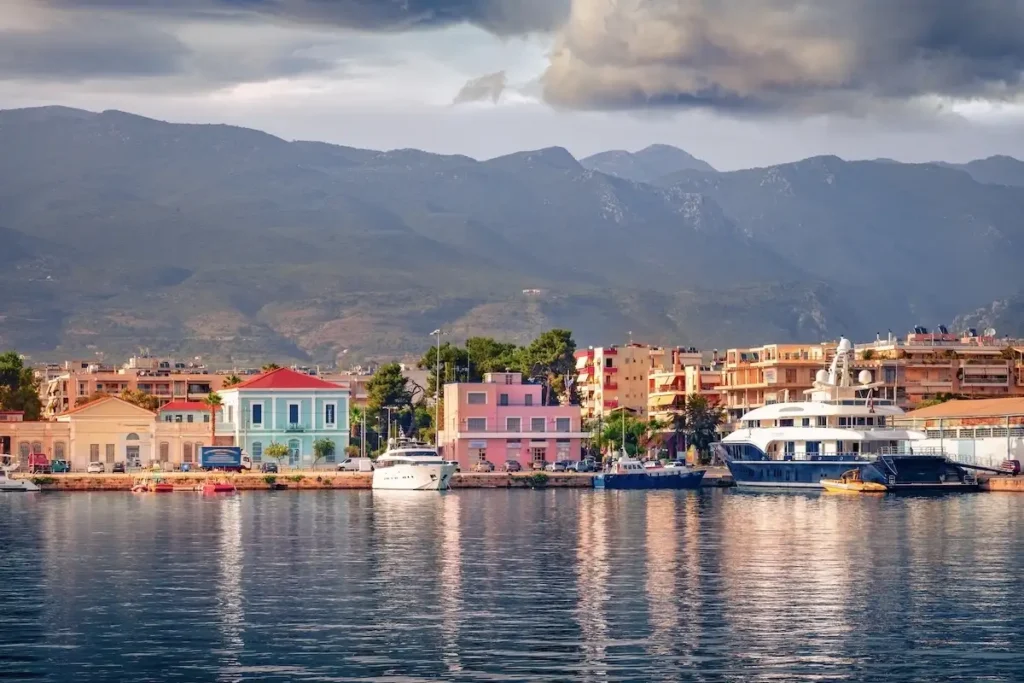
Housing in Kalamata ranges from modern apartments near the beachfront to older properties in the city center and quieter residential neighborhoods. Most retirees choose to rent initially, allowing time to understand neighborhoods, seasonal patterns, and maintenance realities. You can find an abundance of houses on dedicated websites; however, before signing with a real estate agent, be sure they are licensed.
Long-term rentals are widely available, though summer demand can create short-term pressure in coastal areas. Properties intended for year-round living are best secured outside peak season. Buying property is possible and often affordable compared to other Mediterranean cities, though renovation costs and timelines should be factored in carefully.
Apartments dominate the market, with limited elevator access in older buildings — an important consideration for aging residents. Neighborhoods closer to the promenade offer walkability, while areas slightly inland provide quieter living at lower costs.
Lifestyle, Nature & Leisure
Kalamata supports an active but gentle lifestyle well suited to retirees. Cafés play a central social role, offering informal meeting places that encourage daily interaction. Walkability is a defining feature, particularly along the seafront promenade and within central neighborhoods. Cycling paths connect key areas of the city, while parks and green spaces provide shaded resting points.
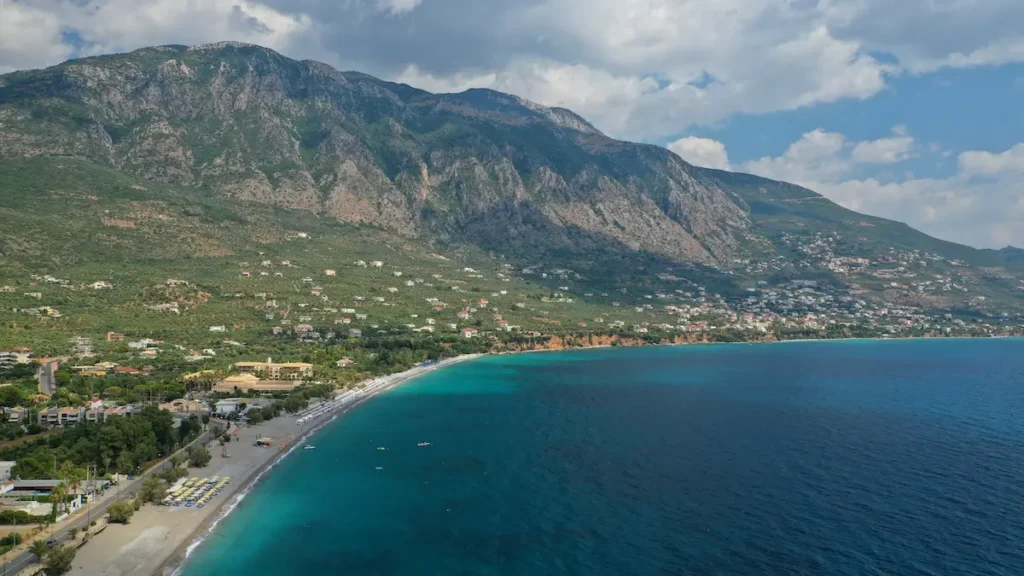
Nature is integrated into everyday life rather than reserved for excursions. Mount Taygetos rises directly behind the city, offering scenic walks and more demanding hikes, while coastal routes east and west of Kalamata provide flat, easy movement alongside the sea. This regional connection to nature makes it easy to explore further; you can easily drive to nearby hiking trails and dramatic landscapes by reading our piece on the Peloponnese filming locations for Nolan’s Odyssey, most of which sit just a short drive from the city
Cultural life remains present year-round, with performances, exhibitions, and lectures adding intellectual stimulation. Leisure in Kalamata is less about spectacle and more about repetition, routine, and quiet pleasure — qualities many retirees actively seek.
Local Reality Check
Kalamata’s strongest advantage over many Greek destinations reveals itself between November and March. While coastal resorts empty and island services contract, Kalamata continues operating as a normal city. Cafés remain open, cultural venues stay active, and healthcare services function without seasonal strain.
Winter brings more rain and cooler evenings, but daily life remains outdoor-friendly. The promenade is still used, markets remain lively, and social routines continue largely unchanged. For retirees, this consistency matters more than postcard weather. Kalamata does not ask residents to “wait out” part of the year, it remains livable, social, and functional throughout all seasons.
Who This Destination Is Best Suited For
Kalamata is best suited for retirees who value practicality, walkability, and year-round services over isolation or exclusivity. It appeals to active retirees who enjoy daily movement, social cafés, and cultural life, as well as budget-conscious retirees seeking affordability without sacrificing healthcare or comfort.
It works particularly well for those who prefer mainland access, predictable infrastructure, and a city that feels alive beyond tourist season. Retirees seeking extreme quiet, total isolation, or luxury resort living may find Kalamata too “real.” For those who want retirement to feel like a continuation of life, social, connected, and grounded, Kalamata is an excellent match.
Other Cities with Direct Nature Access
Volos sits directly at the base of Mount Pelion, providing immediate entry to mountain hiking trails.
Keramoti offers flat coastal terrain well-suited for those who prefer to go around by bike.
Both locations cater to residents who intend to stay active in nature.
***