
Ecological Richness and the Simplicity of a Permanent Coastal Life
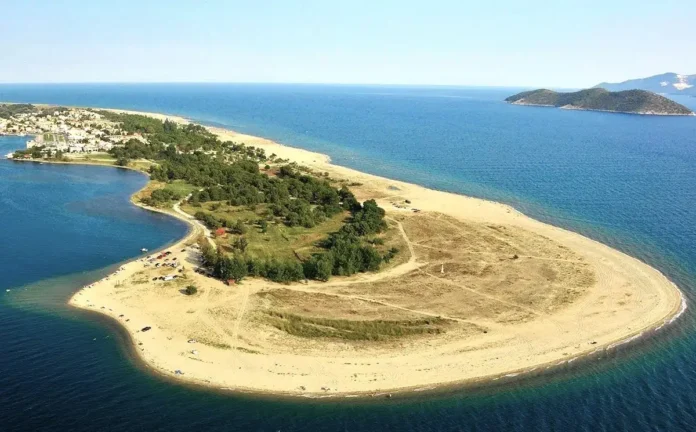
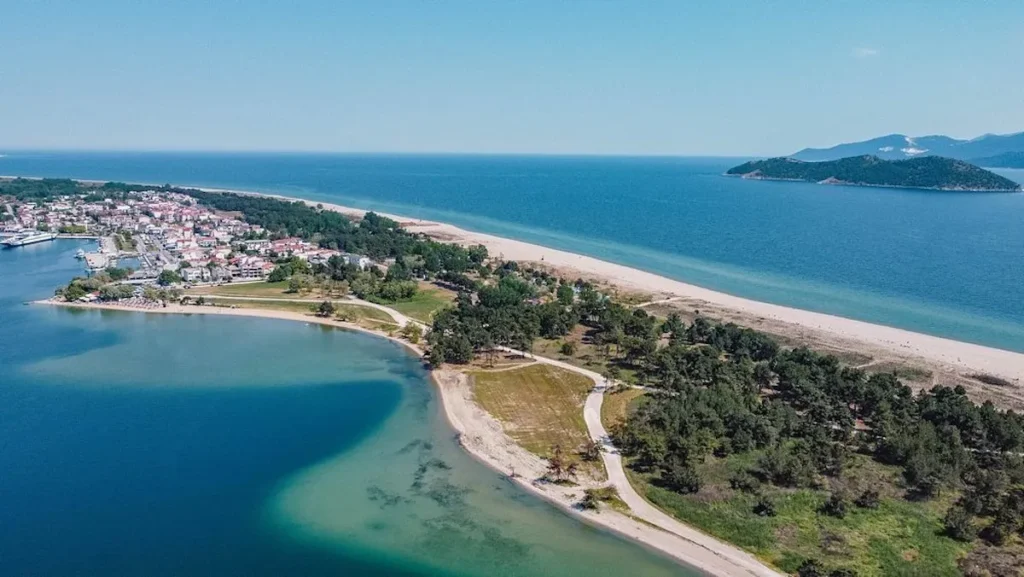
Keramoti is a small coastal town in northeastern Greece that has long been overlooked by travelers, often serving simply as a transit point to Thassos. Today, it is quietly emerging as a destination of choice for expat retirees seeking an authentic, low-key lifestyle. With its flat peninsula, extensive sandy beaches, and access to protected wetlands, Keramoti offers the rare combination of open space, walkability, and ecological beauty without the crowds or commercialization that define most Greek tourist hotspots.
The town immediately appeals to retirees who value calm, connection with nature, and a slower pace of life. Daily routines revolve around beach walks along Ammoglossa Beach, observing the birdlife of the Nestos Delta, and frequenting year-round local cafés and bakeries. It is less suitable for those seeking nightlife, luxury shopping, or a bustling social scene. Instead, Keramoti’s charm lies in simplicity: a life attuned to natural rhythms, with opportunities for gentle exploration, fresh seafood, and genuine community interaction.
For those willing to embrace its understated pace, Keramoti provides a deeply rewarding environment—one where even casual strolls become moments of quiet wonder, and where expat retirees can integrate comfortably into a permanent, friendly community rather than a seasonal tourist economy.
Location, Access & Connectivity
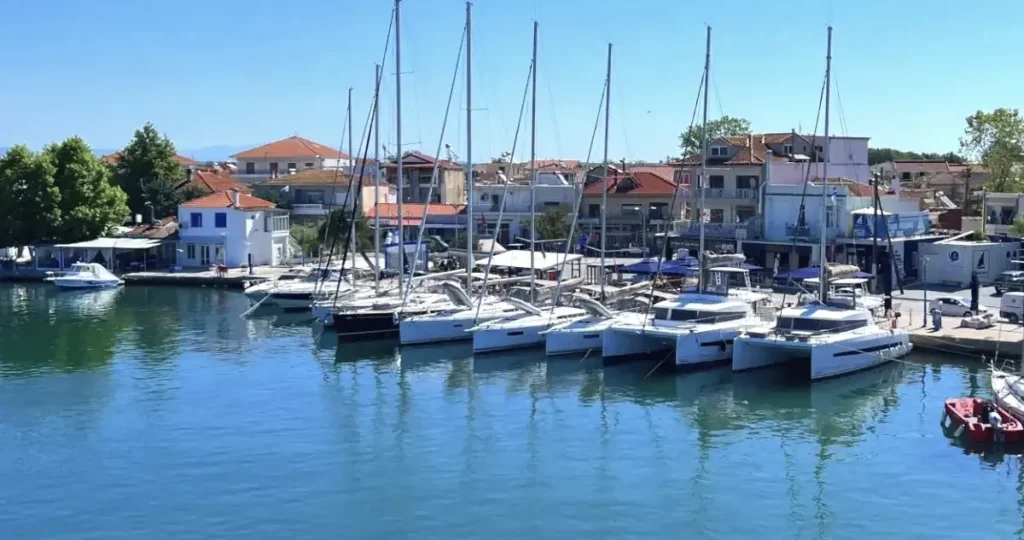
Keramoti is located in the Kavala regional unit of East Macedonia and Thrace, about 40 km east of Kavala city and 210 km from Thessaloniki. The town sits on a peninsula at the edge of the Nestos Delta, offering both coastal charm and natural serenity. Its position makes it the main ferry port to Thassos, providing frequent daily departures in just 35 minutes.
Access to the town is straightforward. Kavala International Airport is only a 15–20 minute drive, and regular KTEL buses connect Keramoti to Kavala, Xanthi, and other regional hubs. Roads are reliable year-round, though winter weather occasionally brings rain and wind, which may slightly affect ferry schedules.
For retirees, this connectivity is reassuring. Essential medical visits in Kavala or Chrysoupoli are accessible, and family or friends can visit without hassle. Emergency transport is practical, with local ambulance services supported by nearby hospitals within 10–40 km. While having a car is useful for exploring the surrounding countryside or reaching more remote parts of the Delta, Keramoti itself is flat, walkable, and navigable without a vehicle for daily needs.
Climate & Seasonal Rhythm
Keramoti enjoys a Mediterranean climate with a northern Greek nuance. Summers are warm and generally dry, with daytime temperatures often reaching the high 20s to low 30s Celsius. Humidity can rise near the coast, but gentle sea breezes along Ammoglossa Beach make prolonged outdoor activity comfortable for most retirees.
Winters are mild but can be windy and rainy, with temperatures rarely dropping below 5°C. Snow is extremely rare, though rainfall may increase in December and January, requiring heating in homes. Spring and autumn are shoulder seasons, ideal for retirees who want quieter walks along the beach, birdwatching at the Nestos Delta, or mild excursions to Thassos.
These seasonal patterns influence daily life: summer demands sun protection and hydration, winter brings cozy indoor routines, and shoulder seasons offer the perfect balance for outdoor activity. Energy needs remain moderate, with heating used during cooler months and fans or air-conditioning in the hottest weeks. The town’s climate supports a lifestyle closely tied to nature, with the rhythm of the year influencing leisure and social activity rather than dictating isolation or inconvenience.
Daily Life & Local Community
Keramoti has a permanent population of around 1,700 residents, giving it a strong sense of community often absent in seasonal tourist towns. Local life unfolds at a gentle pace: mornings may start with a stroll to a bakery or café, afternoons with walks along the shallow waters of Ammoglossa Beach, and evenings in small tavernas enjoying fresh seafood.
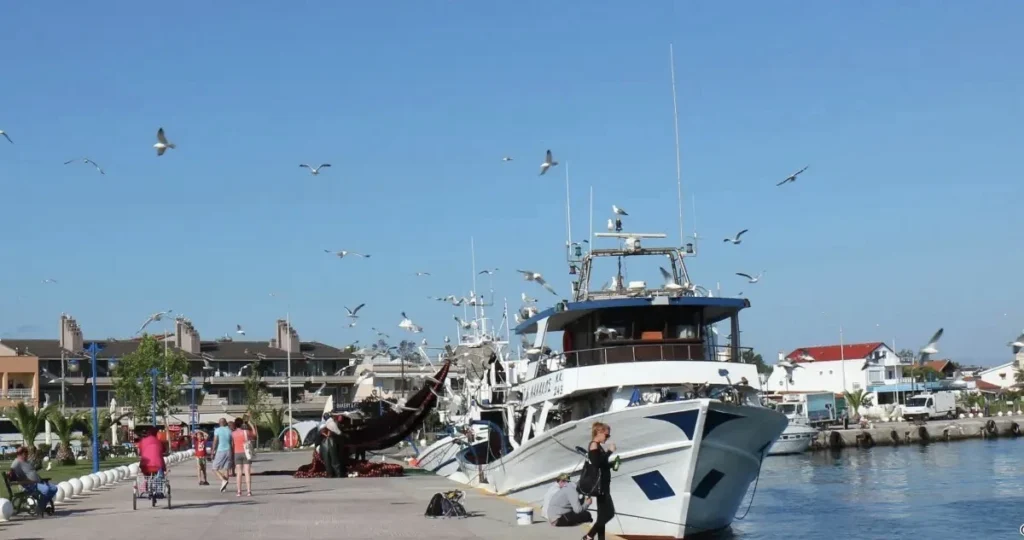
The town retains its fishing and agricultural roots, visible in the harbor activity and local produce markets. Residents are accustomed to expats and visitors, making social integration relatively straightforward for retirees. Greek language skills are helpful but not strictly necessary for basic interactions, especially in cafés, shops, or medical facilities.
Importantly, services remain open year-round. Pharmacies, cafés, bakeries, and tavernas continue operating in winter, though at a quieter pace, allowing for a fully functional, non-seasonal lifestyle. The ferry to Thassos brings some summer vibrancy, but the town never feels overwhelmed, preserving its calm and authentic character.
Walkability is a significant advantage: flat streets, scenic promenades, and nearby beaches allow retirees to navigate daily life without reliance on a car. Social life is understated, revolving around shared meals, beach walks, and occasional community events, creating a lifestyle that balances independence with the warmth of a small, established community.
Healthcare & Essential Services
Keramoti provides basic medical services locally and more comprehensive options within easy reach. Pharmacies operate year-round, offering prescription fulfillment and minor health advice. For primary care, a medical center in Chrysoupoli is approximately 10 km away, and Kavala’s general hospital is 40 km distant. Several private doctors operate in the area, allowing for appointments in multiple specialties, though advanced treatments typically require travel to Kavala or Thessaloniki.
Emergency services are functional, with local ambulances able to transport patients to nearby facilities. Retirees are advised to carry private health insurance to ensure seamless access to both routine and specialized care.
Other essential services, such as grocery stores, banking, and postal offices, are reliably available throughout the year. Even in winter, residents can count on continuous operation of necessary services, providing reassurance to those relocating permanently.
Cost of Living Overview
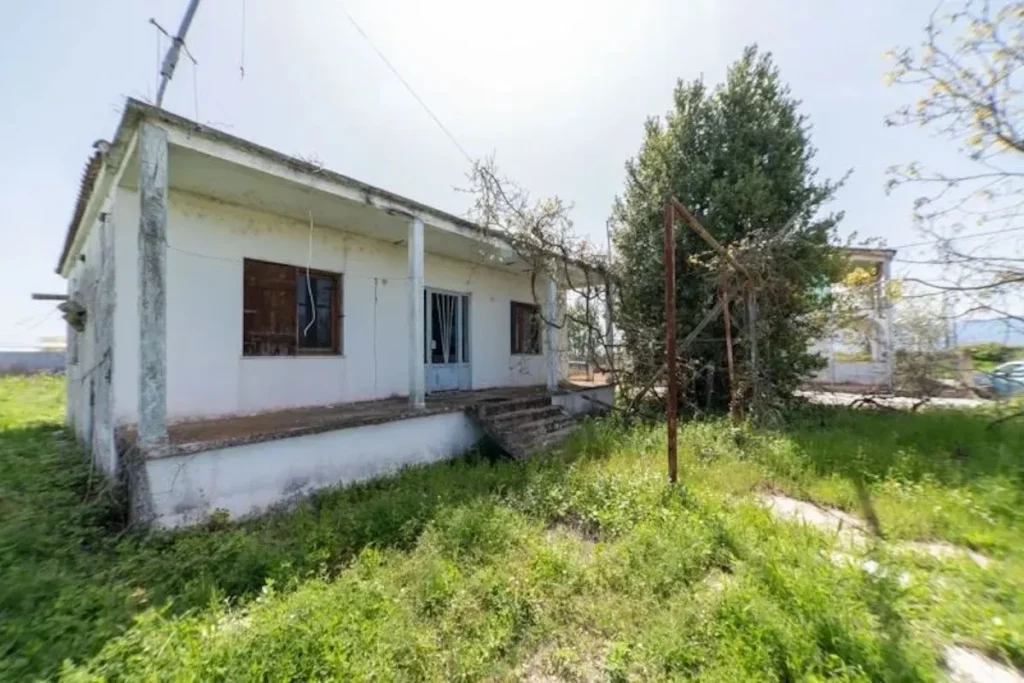
Keramoti is considerably more affordable than major Greek cities or popular islands. Long-term rental options are scarce; in 2026, only around ten listings were available. Furnished apartments start at approximately €270 per month, while small apartments or detached homes for purchase typically begin near €100,000. Many require renovation, reflecting both limited supply and increasing retiree demand.
Utilities are moderate, with electricity for heating and occasional air conditioning representing the main variable costs. Food is inexpensive compared to Athens, particularly for fresh local produce, seafood, and staples purchased at markets. Dining at tavernas remains affordable, with generous portions and seafood often locally sourced.
Transport costs are low if a car is not essential, as the town is walkable and connected via buses to Kavala and nearby towns. However, owning a vehicle may become necessary for exploring the broader Nestos Delta or traveling off the peninsula. Overall, retirees can live comfortably on a modest income, provided they plan for housing and seasonal energy needs.
Housing & Real Estate Landscape
Keramoti’s housing market is defined by its compact size and growing popularity. Rental options remain limited, with demand frequently outstripping supply—particularly for long-term leases within the town center. Early planning is essential for those looking to secure a year-round residence.
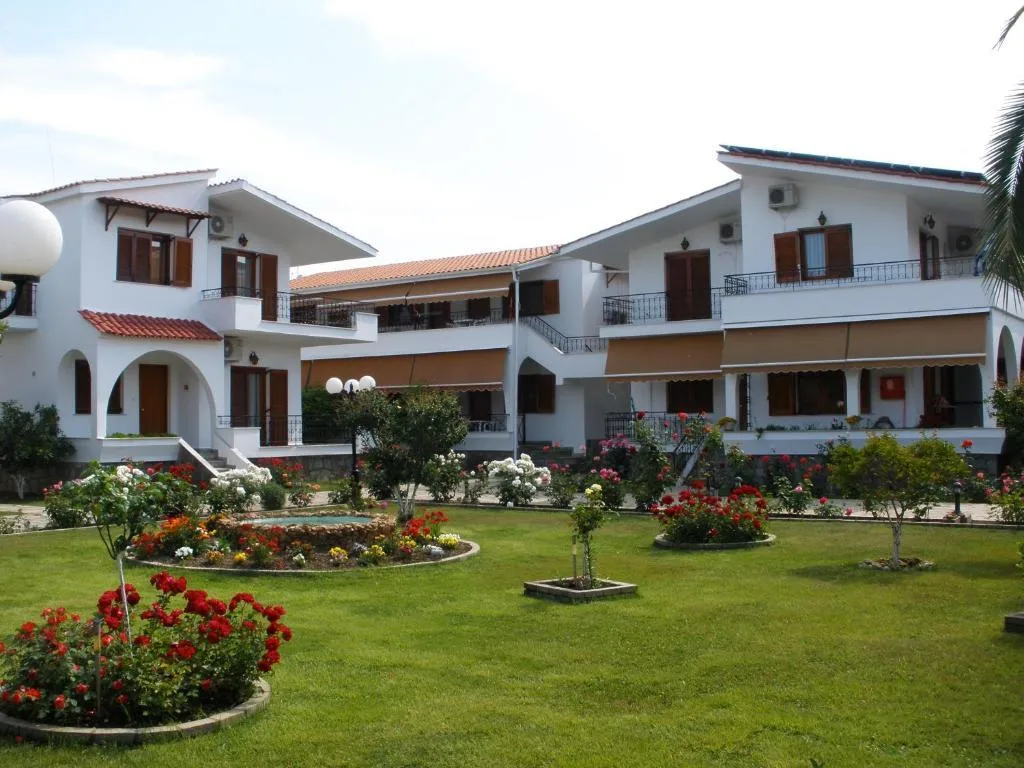
Properties within the town typically start around €100,000, often requiring some level of modernization. However, at a short distance from the center, more affordable opportunities exist. Budget-conscious buyers can find single-story houses of approximately 100 square meters for under €100,000, though these properties generally require significant “love” and renovation before they are habitable. A distinct advantage of these older, detached homes is that they often include a private plot of land. This allows residents to maintain a “bostani” (a traditional Greek vegetable garden) offering a self-sufficient lifestyle and a deeper connection to the local landscape.
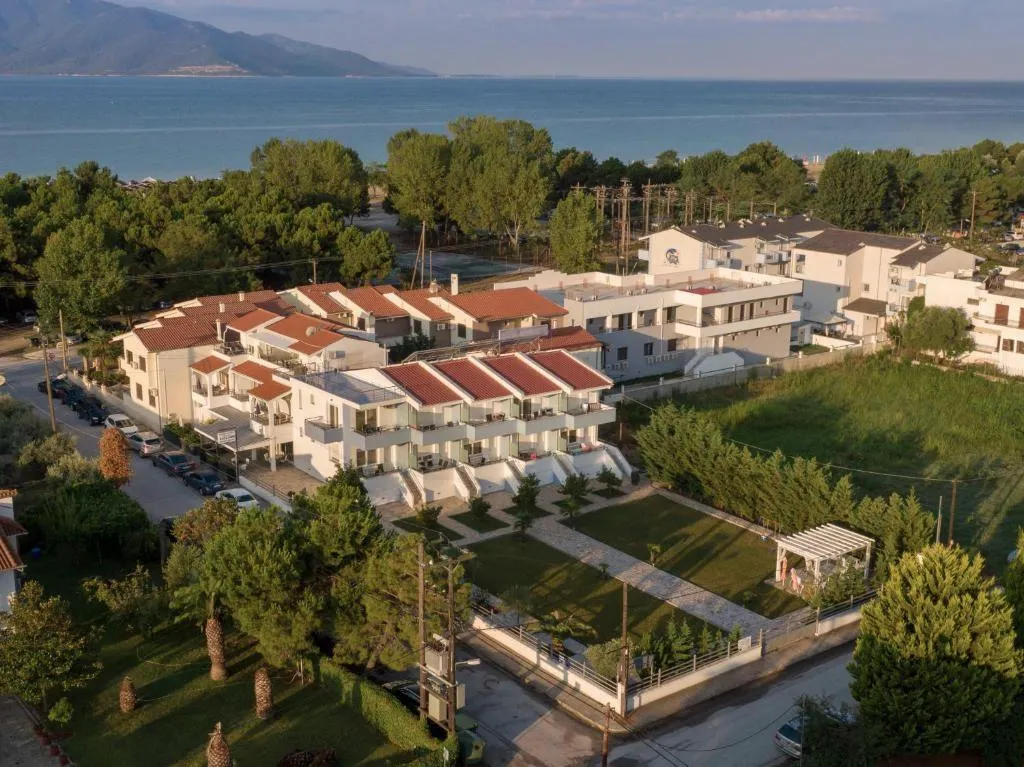
Conversely, those seeking a move-in-ready experience should note that modern apartments or new-build houses typically command prices starting at €250,000. While the renovation route presents a challenge, it remains the primary way to secure a coastal property with land at a more accessible price point.
Lifestyle, Nature & Leisure
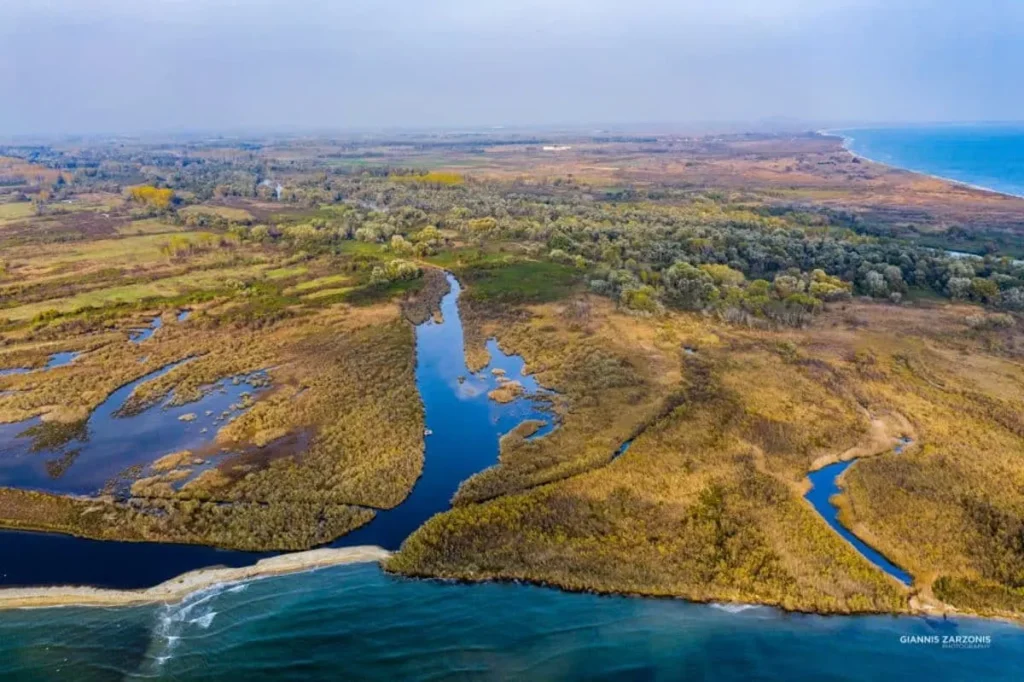
Keramoti’s lifestyle revolves around its natural assets. Walkable streets and the expansive Ammoglossa Beach encourage daily exercise and relaxation. The shallow waters allow for long walks along the shoreline toward the Nestos Delta, offering birdwatching opportunities featuring flamingos, herons, and other species year-round. Kayaking in the delta is a gentle recreational option for retirees.
Cultural life is understated. Cafés, tavernas, and occasional local events foster casual socializing rather than structured entertainment. Residents value freshness and quality: seafood is a daily pleasure, local festivals celebrate seasonal harvests, and community interactions are warm and familiar.
Even daily errands become part of the lifestyle. Markets, bakeries, and small shops are close by, eliminating long commutes and encouraging integration with locals. For retirees seeking a life immersed in natural beauty and simple routines, Keramoti offers unmatched daily rewards.
Local Reality Check
Keramoti transforms outside of the peak summer months. July and August bring some tourist activity, but September through May is largely quiet and residential. Cafés operate at a slower pace, ferry traffic is minimal, and the beaches are empty except for local walkers and birdwatchers. Retirees must embrace this slower rhythm, which emphasizes tranquility and personal routines over bustling activity.
Mosquitoes may be noticeable in late summer and early autumn, particularly near wetlands, so repellents are recommended. Otherwise, the low-key months provide an authentic glimpse of the town’s true character, free from the seasonal influx that defines so many coastal destinations.
Who This Destination Is Best Suited For
Keramoti is ideal for retirees who prioritize space, nature, and authenticity over nightlife or luxury services. It suits those who enjoy walking, birdwatching, gentle outdoor activity, and integrating into a small, friendly community. While owning a car is helpful, it is not strictly necessary, making the town accessible even to car-free retirees.
Those seeking peace, affordable housing, and a slower, year-round rhythm in Greece will find Keramoti particularly rewarding. It is less suitable for retirees seeking high-end shopping, vibrant nightlife, or constant social events, but perfect for those who appreciate understated beauty, ecological surroundings, and a life connected to the sea and delta.
***