
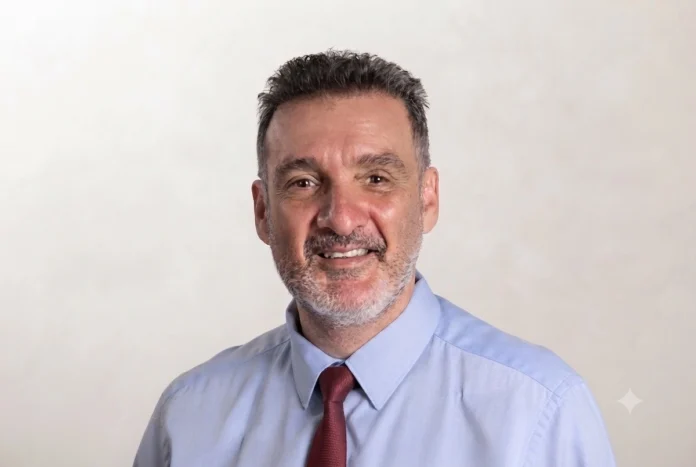
Kyriakos Kotsoglou, Vice-Governor of Crete, on Retirement in the Region
Elected to represent Cretans and speak on the island’s behalf, Kyriakos Kotsoglou, offers a rare insider’s view on what draws foreigners to settle here, how they can genuinely become part of a community, and what daily life actually looks like once the holiday ends.
Crete has for decades been one of the most popular tourist destinations. What is the difference between a visitor spending a few days on the island and a foreign retiree who chooses to make Crete a permanent home?
Crete is a place to see, a place to live. It does not claim to be the only such place on the planet, but its position on the world map lets it claim to be the most beautiful and complete of these places. That is the difference between a visitor who comes to see the place and a visitor who, at some point, thinks: this is where I would like to live. The shift from a stay and an experience into a way of life and a daily routine feels so attainable, so real, in Crete. This visitor does not want a few more days before returning to normal life. They want a normal life, now, in the place they fell in love with as a visitor. Most commonly at middle age or older, though it happens at younger ages too.
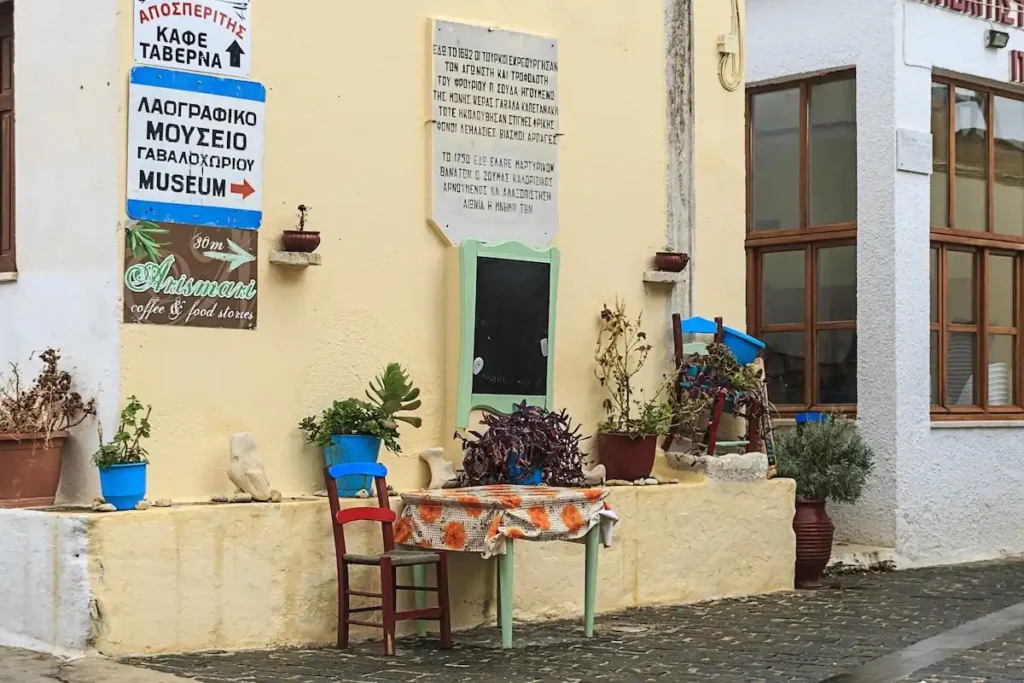
What are the elements that make Crete not just a holiday destination, but a place to live permanently?
When I present the destination abroad, people often ask why Crete is a must-see. There are a thousand reasons, but if I have to summarize, I would name four pillars: unsurpassed nature, gastronomy that has placed it at the top of Europe for 2026, culture and history running back through the centuries, and hospitality from the heart above all. We call it parea, and it answers the question of why someone can live here permanently. From there, they build their own experiences.
Many foreigners come to know Crete through holidays before considering a move. At what point does a visitor start to feel Crete could become home?
This question has sociological dimensions too. Are holidays a choice or a necessity in the modern world? I believe that while holidays were once a choice, today they are a necessity. But so is daily work, career advancement, money, security. People follow Maslow’s hierarchy of needs. At the stage of belonging, someone chooses Crete only if they want a higher-quality option for their family. At the stage of esteem and leadership, they choose Crete if it offers a new professional or entrepreneurial prospect. But at the stage of self-actualization, where giving matters more than having, where we do not live to work, that is where someone becomes more likely to choose Crete to live, as a gift to themselves.
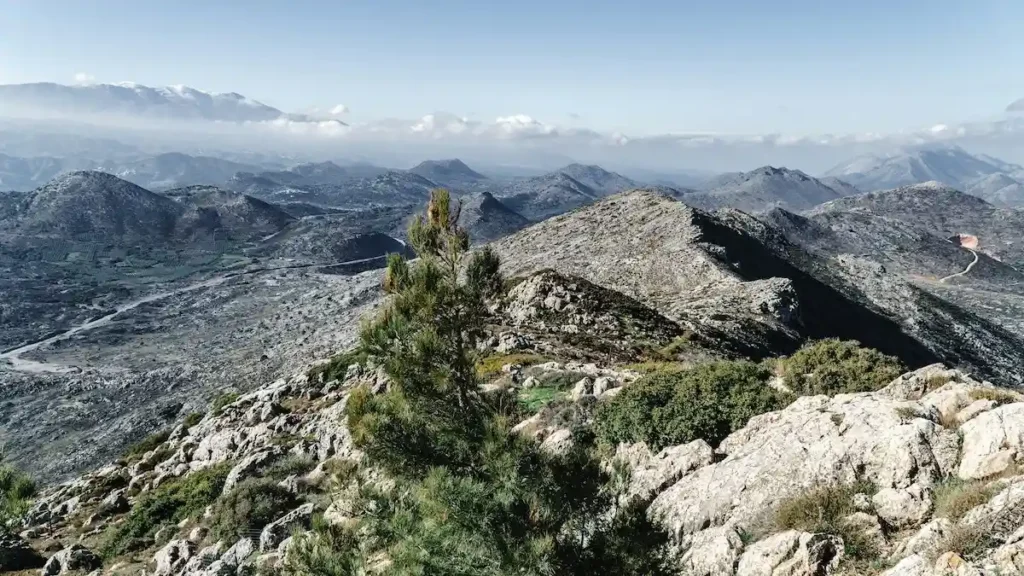
Crete has very different areas: large cities, coastal areas, mountain villages, rural communities. How can a foreign retiree choose the right place according to their lifestyle?
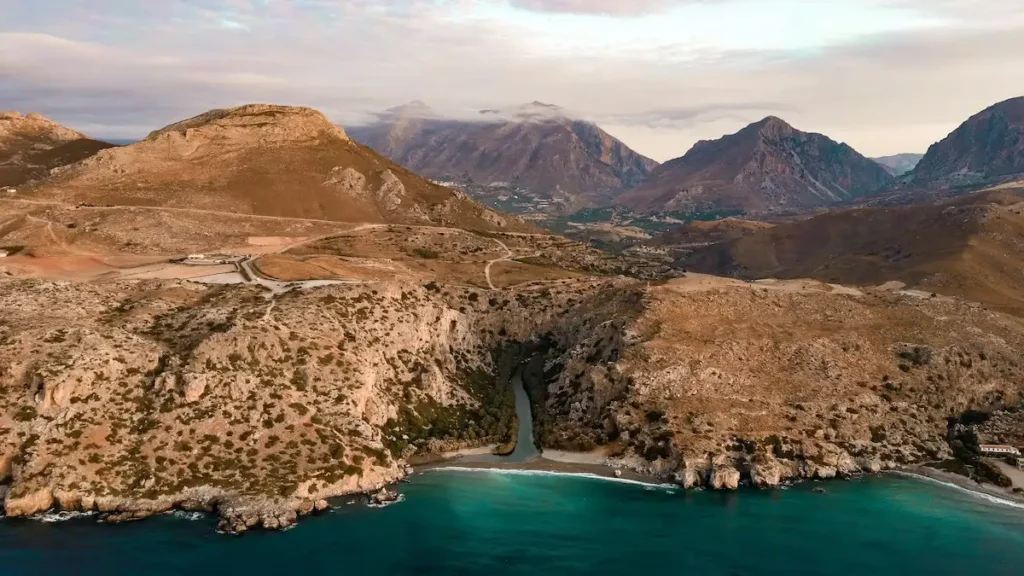
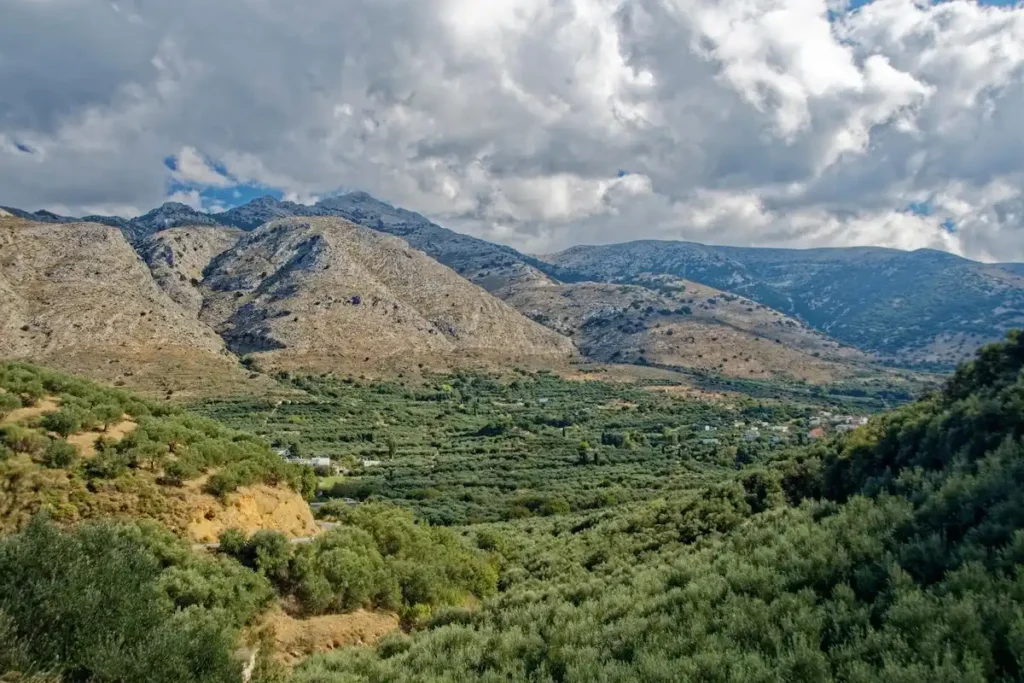
That is Crete’s great advantage. It has a distinct triple personality as an island. The north is luxurious, hotel-oriented, busy, looking out onto the Cretan Sea. The south is enchanting, alternative, captivating. The interior, in between, offers a sense of unexplored Crete, a place of history where something new turns up at every step. A retiree simply chooses: a villa on the northern side, closeness to the sea in the south, or the pulse of the interior with its village festivals. And if they want all three, there is a solution. Homer called Crete “Hekatompolis,” City of a Hundred Cities, meaning that since antiquity it has been a place everyone wanted to stay in.
What do foreigners often fail to understand before moving to Crete, and what pleasantly surprises them once they settle?
Many people assume Crete, Cyprus, Malta, Mallorca, and Corsica are more or less the same kind of island. That is not true, and I do not say it to criticize any other place. Before settling, most people focus on two things: the people, and the diversity, what the Germans call a world unto itself, a continent that fit onto an island. Crete’s ability to answer the question “besides beach, sun, and sea, what else can I do” easily is what makes it a place to live. Plains, mountains, trails, caves, waterfalls, islets, all filling out its 1,047 kilometers of coastline and 550 beaches.
Do foreign residents generally integrate into local society, or remain within circles of fellow countrymen?
Crete is one of the most multicultural places in the world. Having learned over the centuries to host people and to fight for its freedom, hospitality is in its DNA, in the DNA of every Cretan. Traditions are open invitations to visitors, whom we do not want to call foreigners but friends. This is the homeland of Xenios Zeus, protector of guests, and there are plenty of examples of people becoming one with local society. That said, there is nothing wrong with also wanting a community of fellow countrymen to share things with, or a familiar restaurant. Open societies handle this well. Closed ones, far from us, I hope.
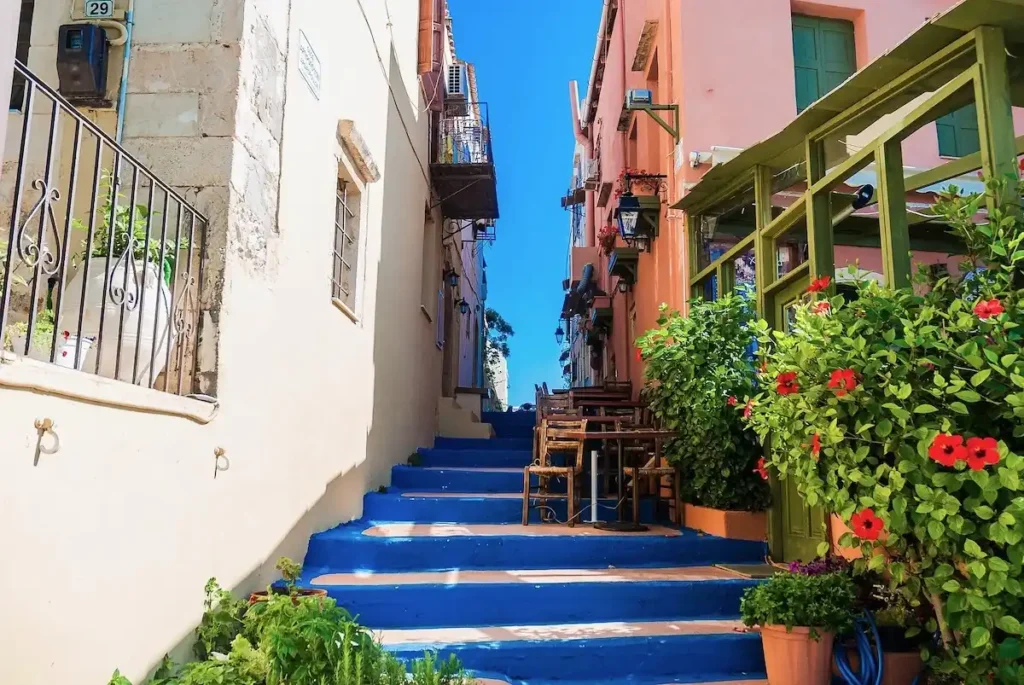
What advice would you give a foreign retiree who wants to genuinely integrate into a Cretan community, rather than live alongside it?
I do not think I am allowed to give socializing advice, but as a friend I would say: find yourself an architect or engineer, a real estate agent, a lawyer, an accountant, a doctor, a grocer and a greengrocer, a butcher and a farmer, a fisherman, a shepherd and a beekeeper, two or three tavern owners, and go on then, one idler too, and choose them for their integrity and selflessness. Each of them has a wide circle, and soon you will be a welcome member of it. Add a philologist, a historian, and a journalist, and soon you will be at the next evening of Cretan lyra or violin. You know who to avoid, though. I am considered a politician, so do not put me in your social circle.
Are there examples of foreign residents actively participating in village and town life, through associations, cultural activities, businesses, or their everyday presence?
As many as you like, from Celtic harp recitals to five-a-side football among veterans. These people have chosen a new life here, and they live it. They bring process, collectivity, empathy, and respect for local culture. We locals are sometimes a bit chaotic and less procedural, but in the end good relationships prevail, even in Matala, and everyone ends up culturally satisfied. On the business side, interest is clear too, though the landscape is still uncharted. Many want to come to Crete. The island is open, cheaper than the Aegean islands, but things remain fluid, and a circle is forming, starting, naturally, from real estate.
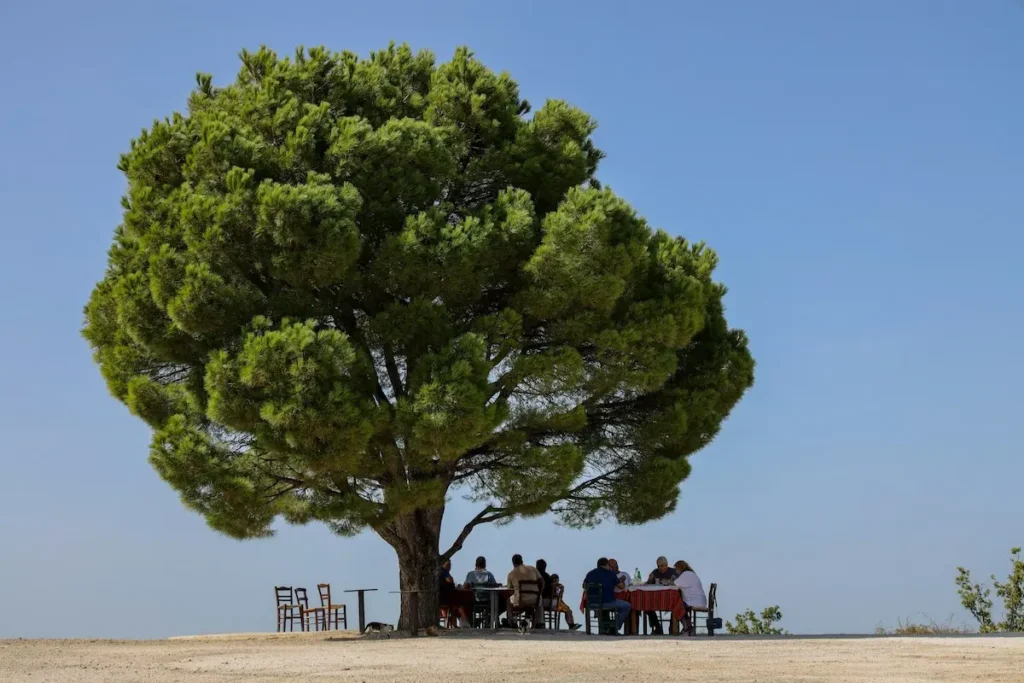
How does traditional Cretan hospitality translate when a foreigner is no longer a temporary visitor but a permanent resident?
There is no difference in Cretan hospitality between the owner of a luxury property, a visitor who ended up spending two or three hours in the interior after taking the wrong bus, Olaf from Stockholm who has become friends with his hotel waiter and barbecues with him on every visit, or a stranger who ended up at a rakokazano, got drunk, and was put to bed by the owner because he could not make it back to his hotel. As one well-known travel writer put it, village families gather their foods, always six or seven kinds, to offer their guests a meal built around meat, chicken, game, or fish, prepared in different ways, finished with fruit, with families going without for themselves in order to give guests the best. These gatherings let Cretans show visitors their products, and their pride. (Source: The Cretan Diet, Georgios Agorastakis.)
How important does the tradition of personal trust and word-of-honor culture remain today in daily Cretan life?
It is a mixed picture, and I would say it persists but is unfortunately diminishing, though I cannot say which tendency dominates. People of their word, we call them logotimites, are fewer than they once were, and certainly not a defining trait of the younger generations. This was part of Crete’s authenticity, and it is worth trying to preserve, but it is a matter of upbringing, values, and the level of society and state, and there I am not certain, not for Crete, not for Greece, not for Europe, not for the planet.
How easy is it today to grow your own vegetables or source produce locally in Crete?
Very easy, and rather obvious, since it is how Cretans have always lived. Regardless of profession, most households kept a small garden for seasonal vegetables: tomatoes, cucumbers, peppers, zucchini, eggplants, seasonal greens, corn, celery, green beans. With more space, a small orchard followed, a lemon tree, an orange tree, a peach tree. Nothing in the law prevents this, for a retiree or anyone else. We will not return to the old Cretan who grew his own lentils and chickpeas and kept an oak tree for his pig, but a small vegetable patch is well within reach.
Beyond climate and landscape, what elements of daily Cretan life do foreigners who settle here appreciate most?
Diversity, gastronomy, culture, history, and the relaxed pace of life. It is a culture of ease that leaves Crete somewhat behind on infrastructure and process, the usual markers of developed societies, but that same ease makes the destination a place of wellbeing. For someone settling permanently, especially after a previous life built around pressure, targets, competition, and stress, that becomes the central reason to value Crete.
How important is local cuisine in attracting not just visitors, but people building a new life here?
The visitors themselves answer this best. Asked what factors encouraged their decision to visit, 39.4 percent named gastronomy. Afterward, satisfaction with Cretan gastronomy reached 91.8 percent, and with dining services 92.1 percent. Crete is the Gastronomic Region of Europe for 2026, and aims to become a World Gastronomic Region by 2030. What defines it, though, is not complexity of flavor but the magic of simplicity.
Practical matters like healthcare, transport, internet, public services, and daily administration are decisive for a retiree considering the move. How is Crete evolving to meet a growing international resident population?
A holiday means giving someone an unforgettable stay. A permanent move means giving them everything their life needs, and more, if they are in their senior years. We are not the best, not the worst, comfortably above average but with uneven strengths across areas. Visitors used to healthcare systems where illness is something to avoid at all costs are pleasantly surprised by our largely free public healthcare, even if the system is imperfect. Once treated, visitors usually praise our nursing staff and doctors, and for ongoing specialist care, our doctors are excellent and sought after internationally, within reason. Transport satisfaction sits at 70 to 75 percent for the frequency and reliability of public transport and taxis, lower than hospitality but still reasonable. Road conditions, signage, traffic, and parking sit at 53 to 60 percent and need improvement, and despite excellent natural conditions for cycling, satisfaction with cycling infrastructure does not exceed 30 percent. Internet, local and satellite, scores well, helped by the strength of Crete’s educational institutions. Public services mirror healthcare: excellent civil servants working within a system that does not function as it should. E-governance has improved recently, though we remain far from the e-Estonia model. Daily administration, stray animal management, and public sector capacity remain weak points.
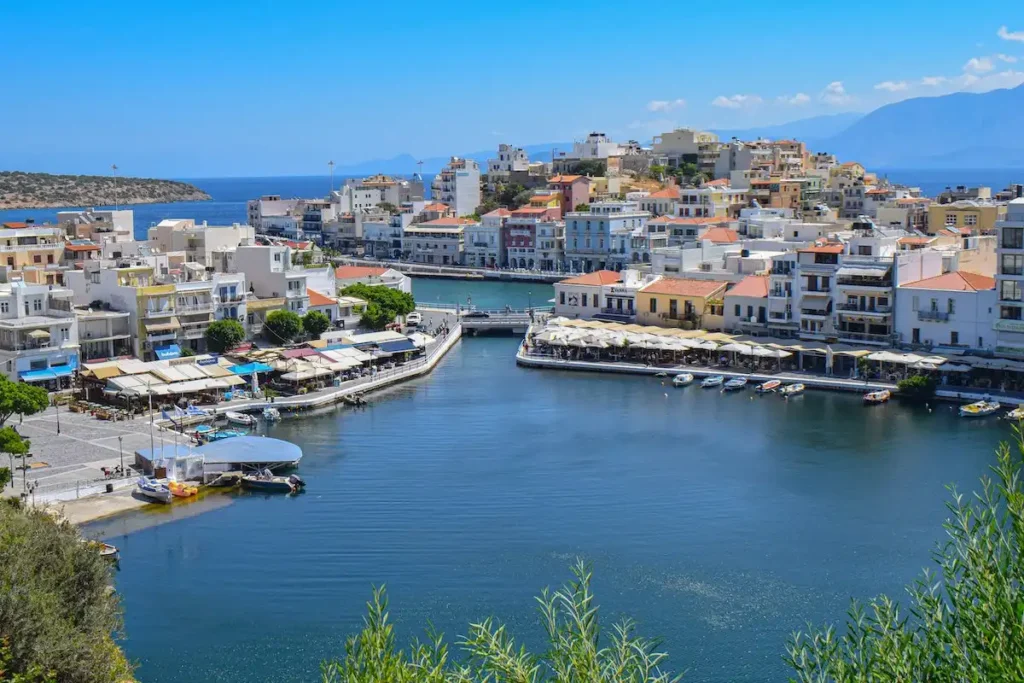
Many retirees want the benefits of the countryside alongside access to city services. How do Heraklion, Chania, Rethymno, and Agios Nikolaos balance growth with preserving their character?
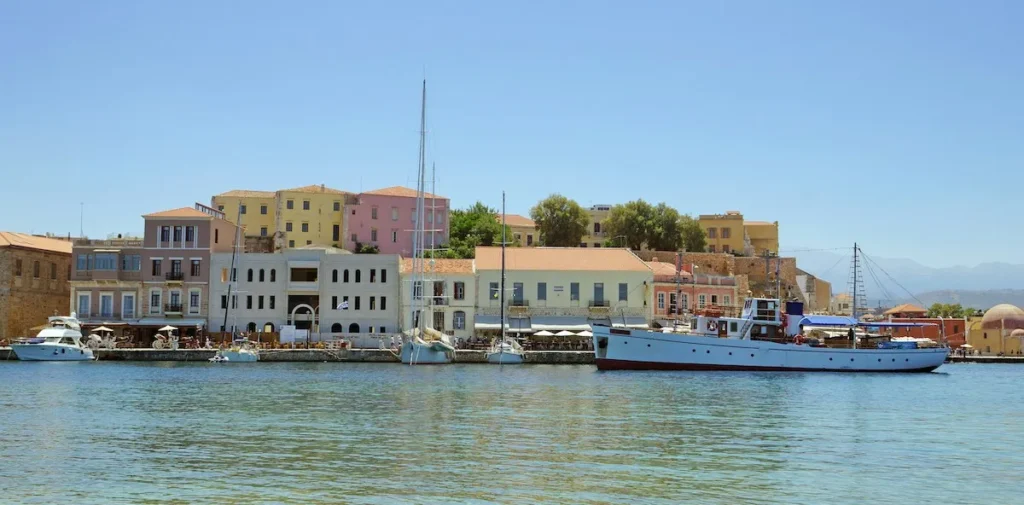
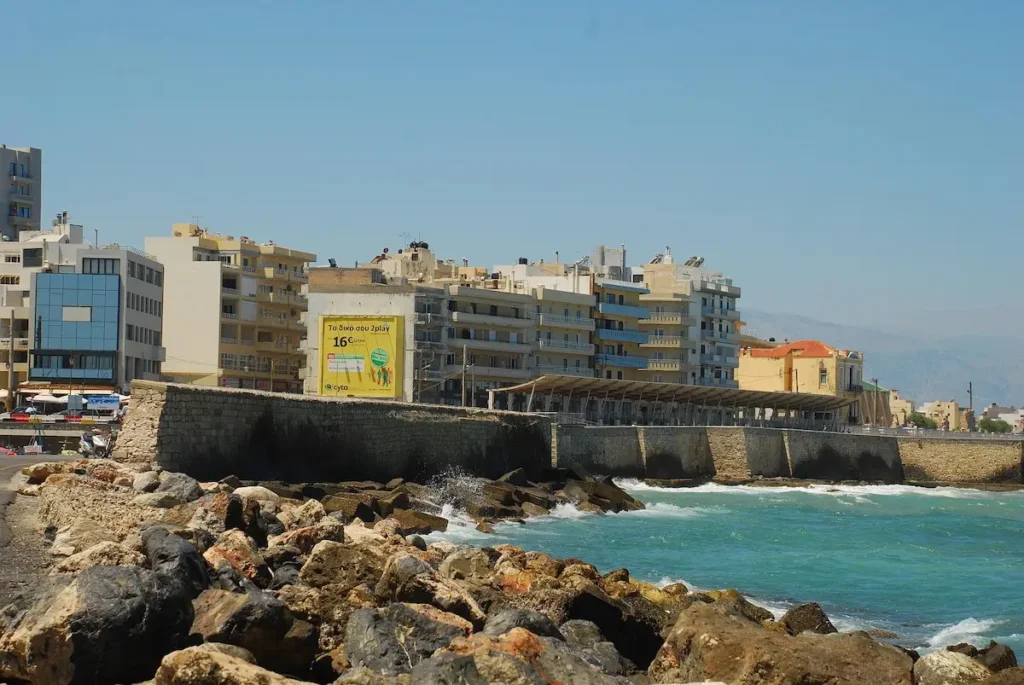
Retirees can live in the countryside and handle most procedures electronically through gov.gr, our national portal for public services, and when they do need the city, a little patience helps, less in winter, more in summer. We do not love procedure. We love the visitor. The northern axis has not always balanced growth and character as well as it should, but the Venetian Harbor of Chania, the Fortezza of Rethymno, the Koules fortress and walls of Heraklion, and the harbor of Agios Nikolaos will never lose their beauty.
As more foreigners buy or renovate traditional properties in villages, how can Crete preserve its identity while welcoming new residents?
Crete must preserve its identity, or it risks becoming the Balearics. That identity was never uniformity, but variety. Traditional Cretan properties were built in service of their surroundings, not the reverse. Wherever we see the surroundings subordinated to the house, that is both a mismatch and a strong candidate for the next natural disaster. The north has become quite touristic, but our historical roots still anchor our identity, along with the prospect of protected status for Crete’s capital cities, which they have earned.
As Vice-Governor for Tourism, how do you see the relationship between tourism development and residents’ quality of life? Can an island succeed as a destination and remain a comfortable place to live?
In a region where tourism generates over 50 percent of direct GDP, the relationship between visitor and local is inevitably tested. It divides opinion among the public and the business community, who see it differently. Spatial planning and current legislation offer answers, though not ones I find fully satisfying. Our strategic vision, recorded in our regional strategic plan, reads: Cretan tourism should spread harmoniously across space, north, south, and interior; across time, as a four-season destination; and across manner, drawing on its full thematic architecture to give visitors an experience beyond expectation, achieving sustainability and safeguarding authenticity, which is tied to the destination’s resilience against every risk.
What opportunities and challenges does growing interest from foreign buyers and retirees create for local communities?
Renovating an existing property while preserving its character is a certificate of sustainability, and most retiree buyers already have that sensitivity. Crete is not at risk from retirees or those wanting to settle permanently. They are an opportunity, not a risk. They want the Crete they already dream of. The risk comes from those who, in the name of business, threaten place names and well-known areas, exhaust building allowances, and disregard the character of a place. As anywhere, some work for the good and others do not, and unfortunately the latter are often more effective in our era. That is the greatest challenge facing Crete.
How can Crete protect its environment, water resources, and traditional landscapes while continuing to welcome visitors and new residents?
The vision I described is both necessary and sufficient. The first level of environmental protection is spatial planning, the ordering of space. Clear rules, environmental orientation, protection of water and other resources, accessibility, and sustainability as the result. Such planning should protect the interior and the southern axis while allowing small family units and homes, building demographic, social, and economic sustainability. Sustainability means meeting today’s needs without compromising tomorrow’s, and that is our task. Crete is a large island, the equivalent of four Mallorcas, with real capacity, and it can still catch the sustainability train, but it needs a plan and consistent follow-through. As Aristotle said, choice, not chance, determines your destiny.
Echoes of Spinalonga: The Legacy of The Island
Just off the coast of eastern Crete lies Spinalonga, a former leper colony whose poignant history captivated readers and viewers worldwide through Victoria Hislop’s bestselling novel and acclaimed TV adaptation.
ABOUT THE EXPERT
Kyriakos Kotsoglou, Vice-Governor of Crete
Elected to local and regional government in Crete since 2014, Kyriakos Kotsoglou currently serves as the Region's Vice-Governor for Tourism and E-Governance. (Next local elections: 2028).
Region of Crete
dpo@crete.gov.gr
kotsoglou@crete.gov.gr
***