
The Landscape That Made Two Wheels an Everyday Habit
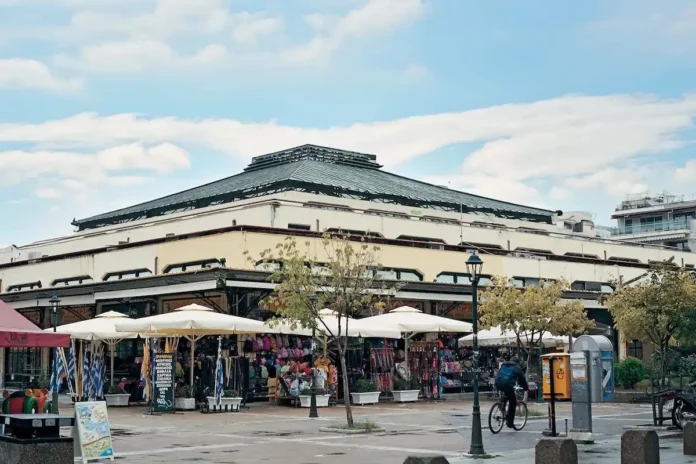
Greece isn’t known for bicycle culture. Hilly terrain, car-centric habits, and a general lack of cycling infrastructure define most of the country. Karditsa is one of the exceptions, and a striking one. Tucked into the heart of the Thessaly plain, this unassuming regional capital has built its identity, and its daily rhythm, around two wheels rather than four. For foreign retirees weighing where in Greece to settle, Karditsa offers something genuinely rare: a town where walking or cycling to the market, the pharmacy, or a friend’s house isn’t a lifestyle choice reserved for the fit and the brave, but simply how everyone gets around.
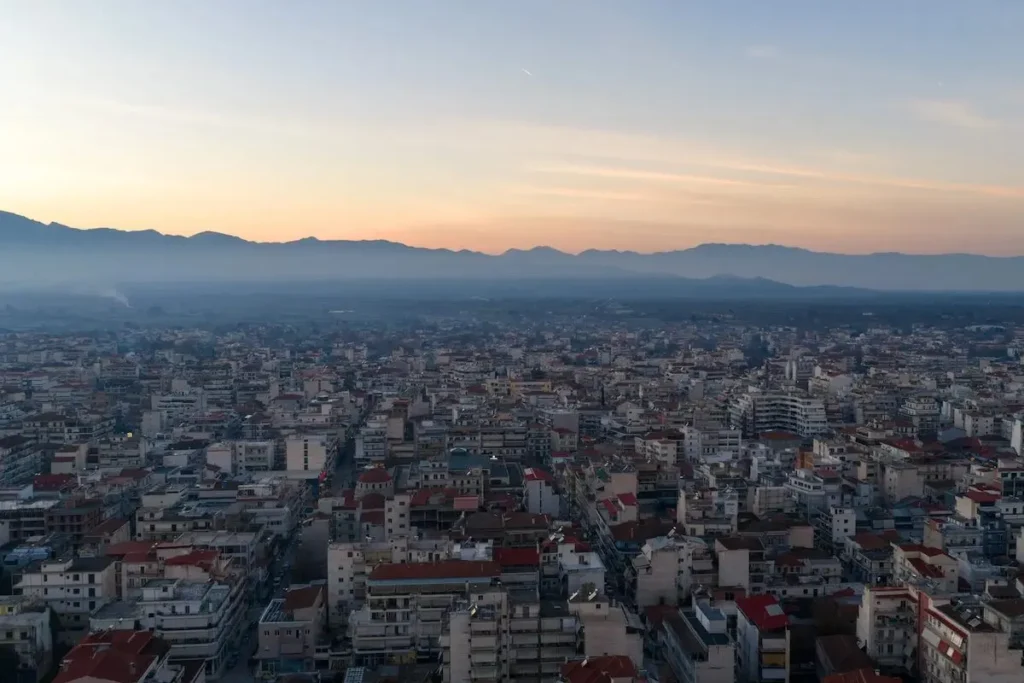
The geography does the heavy lifting. Karditsa sits on some of the flattest ground in the country, with none of the steep lanes or stair-stepped alleys that make cycling a workout in hillside villages elsewhere in Greece. That flatness, combined with a compact town centre, means a bicycle here isn’t a weekend hobby; it’s transportation, used by toddlers, grandparents, and everyone in between.
More Bicycles Than People Realize
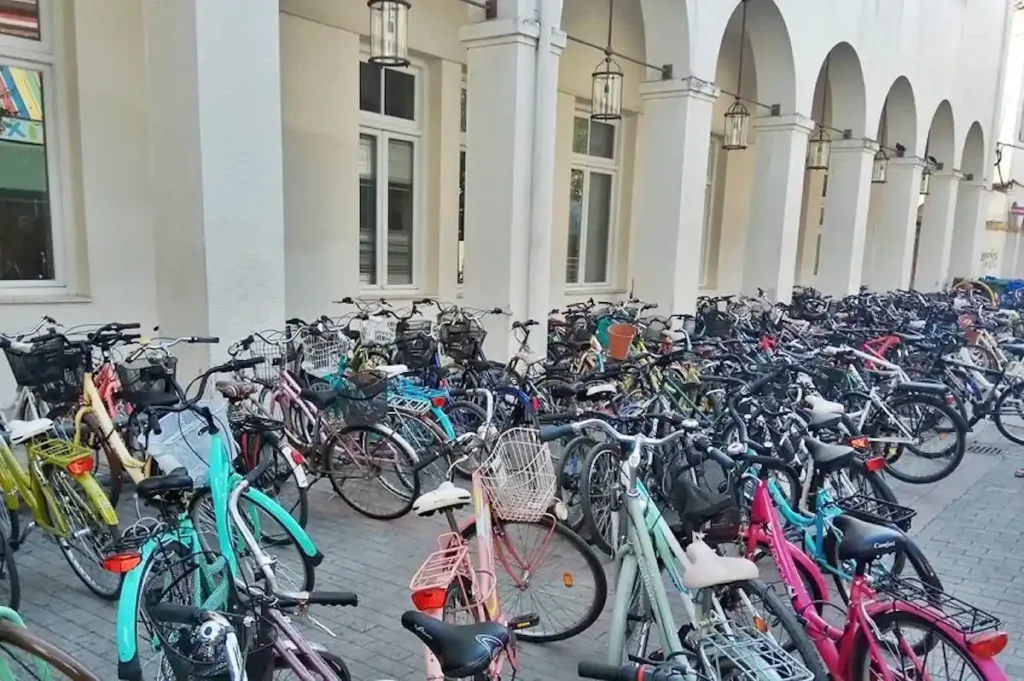
The numbers are hard to ignore. Local estimates put the number of bicycles in circulation at roughly the same as the number of registered cars, with the average household owning several. A dedicated network of bike lanes threads through the city and its outskirts, and a modern bike-share system lets residents and visitors pick up and drop off a bicycle at stations scattered across town. The municipality has invested steadily in this infrastructure for years, expanding the lanes, upgrading lighting and signage along cycling routes, and adding accessibility features like tactile paving and rebuilt wheelchair ramps, improvements that benefit pedestrians and cyclists of every age and ability.
Karditsa’s cycling culture isn’t a recent tourism gimmick, either. Longtime bicycle shop owners in the city describe generations of the same families walking through their doors: a grandfather buying a first bicycle for a grandchild decades ago, and that same grandchild returning years later to buy one for a child of their own. It’s the kind of continuity that’s difficult to manufacture and easy to feel once you’re living inside it.
What Daily Life Actually Looks Like
Beyond the bicycles, Karditsa is a working agricultural town. Tobacco, cotton, and wheat farming still anchor the regional economy, and the University of Thessaly’s Veterinary Medicine faculty is the city’s largest single employer, pulling in students and staff from across the country. This isn’t a place for retirees hunting nightlife or a buzzing international scene. The expat community is small, centred mostly around the university, but it’s an honest, affordable version of provincial Greek life.
A one-bedroom apartment in the centre typically runs €350–400 a month, with utilities adding another €80–120. Public transport is limited, so a car remains useful for errands outside cycling range, though taxis are inexpensive when needed. The public hospital serves the wider region adequately, and pharmacies are plentiful. As with much of provincial Greece, English is less common outside tourism-facing businesses, and navigating residency permits or banking will go more smoothly with some Greek, or a patient bilingual friend, on hand.
Weekends open up easily from here: Lake Plastiras and Lake Smokovo are both within reach for hiking and cycling loops, the towering rock monasteries of Meteora are about ninety minutes away, and Thessaloniki makes for a manageable day trip. Summers run hot and dry, winters cool and wet, classic mainland Thessaly weather.
For retirees drawn to the idea of an unhurried, walkable (or more precisely, cyclable) Greek town, where fresh produce comes from Saturday farmers’ markets rather than supermarket aisles, Karditsa offers something increasingly hard to find: a genuinely local pace of life, built quite literally around the bicycle.
***