

The National Health Fund Explained
If you’re planning retirement in Greece, this is a name you’ll encounter early and often: EOPYY, short for Εθνικός Οργανισμός Παροχής Υπηρεσιών Υγείας, the National Organisation for the Provision of Healthcare Services. It’s the country’s national health insurance fund, and whether, and how, you gain access to it will shape both your monthly budget and your peace of mind. Before anything else, it helps to understand what EOPYY actually does, and how it differs from a related term you’ll also see constantly: AMKA.
AMKA and EOPYY Are Not the Same Thing
The two get confused often enough that it’s worth clearing up before we go further. AMKA is your personal identification number within the Greek social security system, an eleven-digit code every legal resident, worker, and citizen receives. It tracks your employment history, contributions, and health eligibility, but it doesn’t pay for anything itself. It simply proves who you are to the system.
EOPYY is the insurance fund that AMKA unlocks. Once you have an active AMKA linked to EOPYY coverage, the fund pays doctors, hospitals, and pharmacies on your behalf, so your care is free or significantly subsidized. Think of AMKA as the membership card and EOPYY as the gym itself, the actual building, staff, and equipment you get to use once that card is active.
How EOPYY Actually Works
EOPYY doesn’t run hospitals directly. It functions as an insurer, reimbursing or directly covering costs at public hospitals under Greece’s National Health System (ESY), at EOPYY-contracted private clinics and labs, and at participating pharmacies. Your AMKA is the gateway to all of it. Without one, EOPYY benefits, prescription subsidies, and most public health services are simply out of reach, which is why obtaining an AMKA should be one of your very first administrative tasks after establishing residency.
Coverage quality varies a great deal depending on where you settle. In Athens and Thessaloniki, the public hospital network is extensive and EOPYY-contracted specialists are relatively easy to find. In smaller towns and on the islands, contracted specialists can be scarce, appointments take longer to secure, and you may need to travel to a larger city for certain procedures. This is worth weighing seriously when you’re deciding where in Greece to put down roots.
Who Qualifies: EU and EEA Citizens
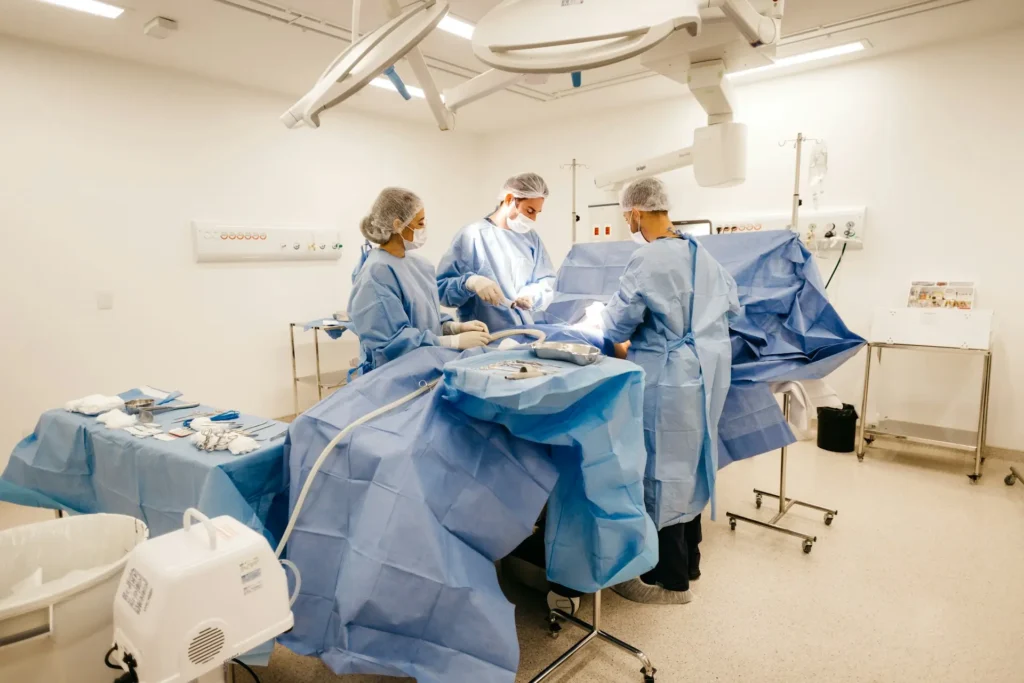
For EU and EEA citizens, your path into EOPYY depends heavily on your pension status and country of origin. If you receive a state pension from another EU member state, you’re generally entitled to full healthcare coverage in Greece under EU Regulation 883/2004, which coordinates social security across member states. Activating this means obtaining an S1 form (formerly E121) from your home country’s social security authority and registering it with EOPYY. The S1 confirms your home country will cover the cost of your Greek healthcare, and EOPYY treats you as a fully insured resident from there. Registration typically takes two to four weeks once you’ve submitted your S1, residency certificate, passport, and proof of Greek address.
If you’re an EU citizen not yet of pension age, or receiving a private rather than a state pension, the picture gets more complicated. You may need to make voluntary social security contributions to gain EOPYY coverage, or rely on private insurance until you qualify. This is a case where a conversation with a local accountant or social security specialist is worth having early.
Who Qualifies: Non-EU Citizens
Non-EU citizens, Americans, Canadians, Australians, and British nationals post-Brexit among them, don’t benefit from EU coordination rules and need to qualify for EOPYY through other means. The most common route is voluntary insurance contributions: non-EU retirees holding a legal residence permit in Greece, and not already covered by another social security system, can apply to enroll as voluntary EOPYY contributors. (Monthly contribution figures should be verified directly with EOPYY or a local accountant, as these are adjusted periodically.) Enrollment grants access to the same services available to Greek pensioners, including subsidized medications, specialist referrals, and hospital care.

A Special Note for British Nationals
British nationals sit in their own category. Since the UK’s departure from the EU, British retirees no longer benefit from the S1 route unless they were already residing in Greece and registered with EOPYY before the end of the Brexit transition period. Anyone who arrived afterward generally needs to arrange private health insurance or enroll as a voluntary EOPYY contributor, and should confirm that any private policy meets the minimum coverage requirements tied to Greece’s residence permit rules.
What EOPYY Covers
Once you’re enrolled, EOPYY covers a broad range of care at little or no direct cost. GP visits at public health centers are free or carry a nominal co-payment of a few euros. Contracted specialist visits typically involve a modest co-payment. Hospitalization at public hospitals is largely free, though public ward accommodation is basic. Diagnostic tests, labs, and imaging at contracted facilities are covered with a GP referral, and prescription medications are subsidized, with your share of the cost depending on the drug and whether it’s on the positive reimbursement list. Certain chronic conditions and serious illnesses carry higher reimbursement rates, and some treatments, dialysis and oncology drugs among them, are fully covered.
Where EOPYY Falls Short
It’s worth being clear-eyed about the gaps before assuming public coverage will be enough on its own. Waiting times for non-urgent specialist appointments can stretch to weeks or months. Dental care is barely covered, and most residents pay out of pocket for routine work. Vision care receives minimal support. Elective procedures, cosmetic treatments, and many newer medications aren’t covered, and private hospital rooms aren’t reimbursed. Emergency care in public hospitals is covered, but the administrative process for non-Greek residents can be slow going.
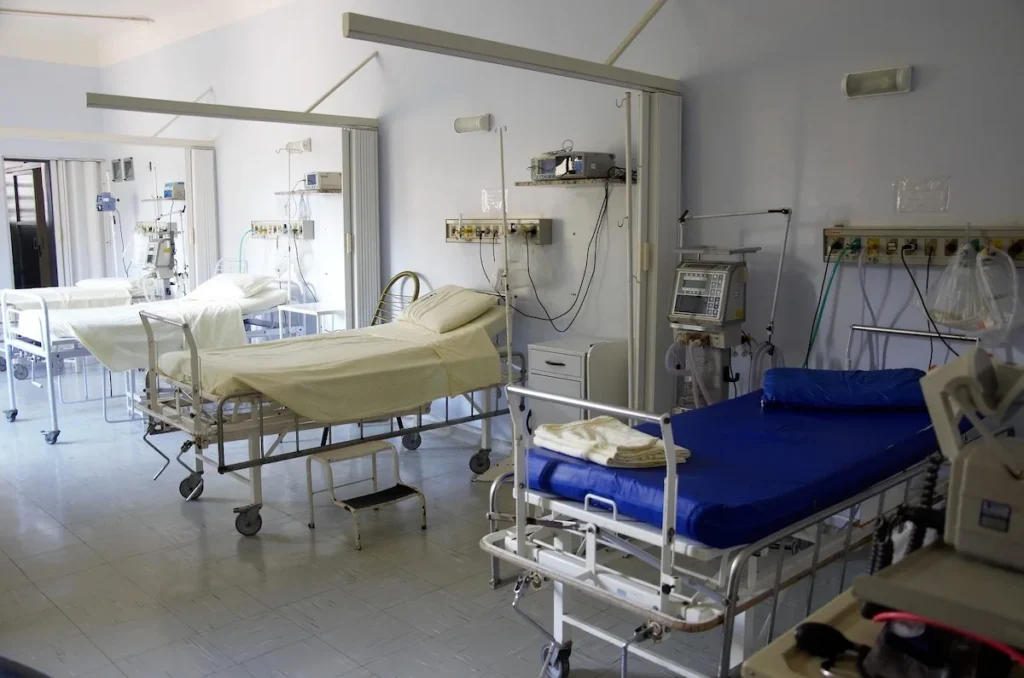
The gap that matters most for foreign retirees specifically: EOPYY does not cover repatriation or medical evacuation. If you need to be transported home for treatment, or evacuated from a remote island in an emergency, that cost falls entirely on you unless you’ve arranged separate coverage.
SOURCES AND REFERENCES
National Contact Point – For EU citizens: Moving to Greece for EU citizens
National Organization For Health Care Services (EOPYY): Services and Information
Electronic National Social Security Entity (eEFKA): Book an online appointment
Healthcare planning is one of the most important parts of preparing for retirement in Greece, from understanding public coverage through EOPYY to choosing private insurance and preparing for medical needs after relocation. If you prefer to have all the essential information in one place rather than reading separate articles, the 104-page Greece Retirement Blueprint brings together the complete legal, financial, tax and housing relocation process in a single document you can save and consult at every stage of your move.
***