
Bridging the Distance Between the Diaspora and the Ionian Heart
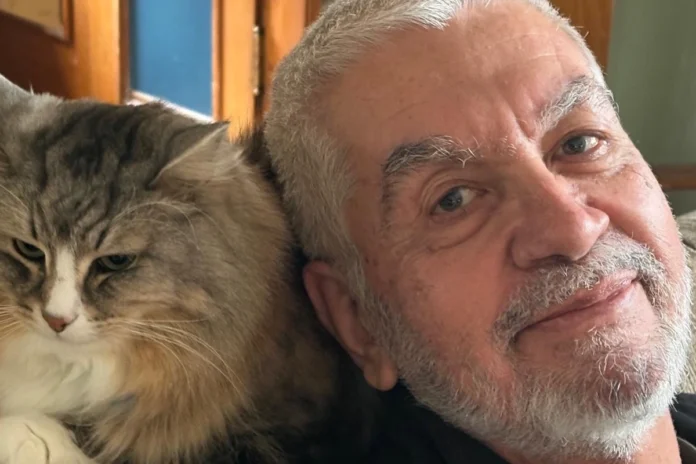
With one foot in Canada and one heart firmly rooted in the Ionian Sea, Spiros Haliotis brings a rare dual perspective to island life, that of both an insider and an outsider who has watched Kefalonia evolve over decades. Here, he shares what makes the island not just a beautiful place to visit, but a deeply rewarding place to call home.
By Spiros Haliotis
As someone with origins from Kefalonia but who now divides his time between Canada and Greece, I have an accurate perspective on how the island has changed over the years and what it offers today, especially for retirees considering a move to Greece.
Kefalonia is the sixth largest island in Greece and the largest of the seven Ionian islands, yet it retains a character all of its own. Unlike the Cycladic islands with their whitewashed houses and sparse vegetation, Kefalonia is lush and green, reminiscent of Tuscany.
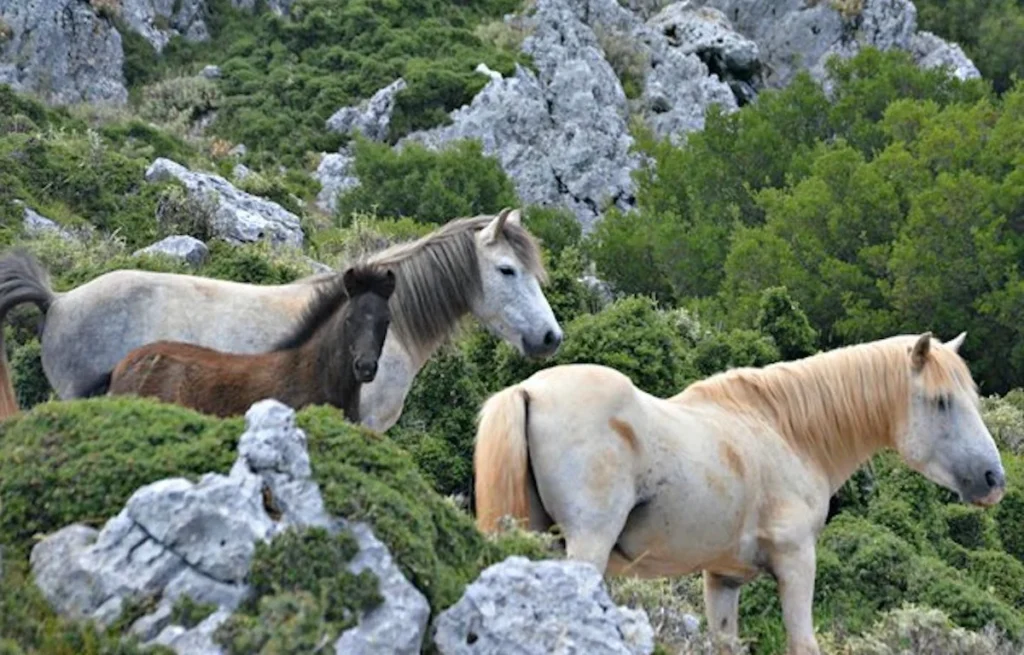
Cypress trees dot the landscape, the big mountain Ainos (elevation 1628 m, 5341 ft) rises majestically, and the high peak of Mount Ainos dominates the center of the island, home to protected Greek fir (Abies cephalonica) and offering black pine (Pinus nigra) forests, plus wild horses a sight both rare and unforgettable.
For me, one of the greatest joys of life on Kefalonia is the time I can spend with my grandchildren and family. These moments, like morning walks and quiet afternoons in the village, make the island feel like home in a way that no city abroad ever could. Kefalonia is not only a beautiful place to retire, but it is also a place full of nature, culture, and community, where life moves at a pace that lets you enjoy every moment.
It is a personal, rewarding, and endlessly engaging experience, one that I can wholeheartedly recommend to anyone considering retiring in Greece.
Over the decades, the island has evolved dramatically. Locals are far more welcoming than 30-40 years ago. The community has recognized the importance of tourism and has become open and positive, supporting not just tourism but also local non-Kefalonian businesses. Today, there are four or five real estate agencies, signaling a lively market, and there is renewed construction activity, something that had slowed dramatically during the financial crisis all over Greece.
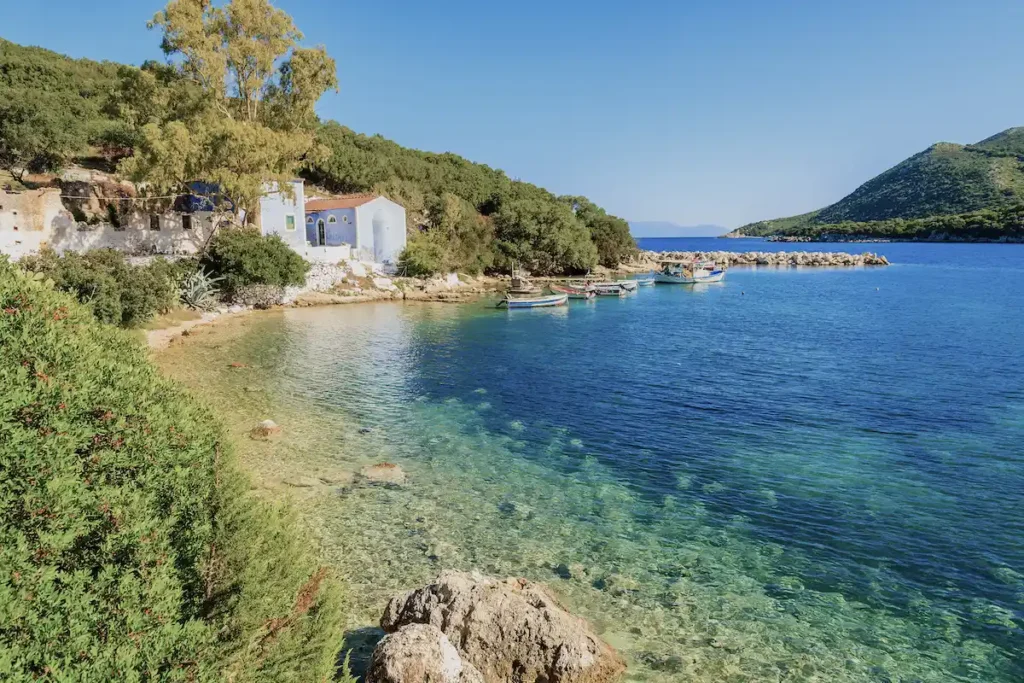
Kefalonia is not just a beautiful place; it is vibrant with life. There are numerous activities for every interest and age. Hiking enthusiasts can explore Ainos or take shorter routes such as the loop around Lassi or the eleven-kilometer walk from Argostoli to the Monastery of Agios Gerasimos.
Every August 16th, the day of the summer celebration of Saint Tron (a local holiday), the road to the monastery fills with pilgrims and hikers from every corner of the world, some walking for exercise, others honoring the saint, and many fulfilling vows to him. Clubs and societies abound: hiking clubs, horseback riding clubs, canoeing clubs, groups for collecting wild herbs like oregano, amateur choirs, dance classes, and traditional embroidery lessons through institutions like the Harokopio Foundation.
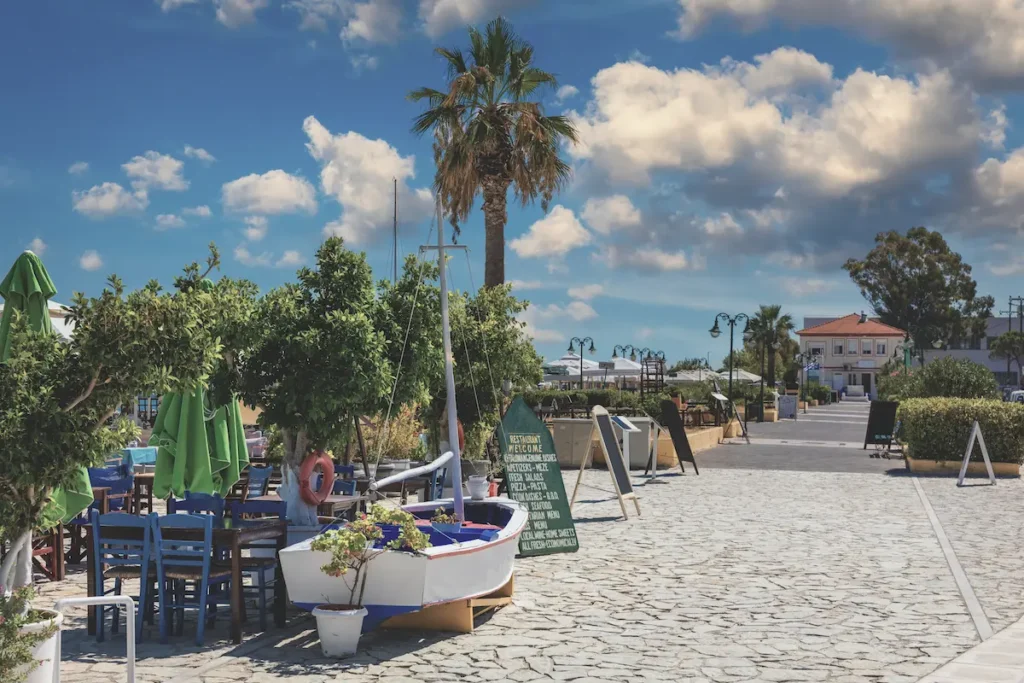
These exist alongside casual, informal activities: table tennis, gym sessions, or simple walks along the seafront. I’ve lived in Canada, and I can honestly say that daily life here, even for older adults, can be far more engaging than abroad. Whether you enjoy nature or a nice dessert at the main square of Argostoli, the traditional Italian “piazza,” you get the feeling that life is beautiful.
Away from the noise of the big cities but yet not so far if you like, Athens is 45 minutes by plane, or you can catch direct flights from the modern airport of the island directly to European cities, including cities in Italy, for a day trip. Nowhere near the expensive costs of flights in North America, it is easily accessible from the island with short ferry trips to the islands of Zakinthos, Ithaka, and Kefalonia, it only takes 45 to 60 minutes by ferry to get to them.
The island offers a remarkable variety of beaches for every taste. From the cosmopolitan and lively Platis Gialos and Toialos to the world-famous Myrtos, Antisamos, and Petani, and then countless smaller, quieter sandy beaches, the options are endless. If you have a small boat, the number of accessible beaches doubles. The island also has charming villages like Assos and Fiskardo, as well as natural curiosities like the underground Melissani lake and Drogarati Cave with its stalagmites and stalactites.
During the winter months, you may even spot a small waterfall on the island. There are two “entrances” to the Ainos mountain. If you take the one to Poros, you will find yourselves in the area where the wild horses live. The Brits living on the haven have a website dedicated to them!
One time driving on the main road from Poros to Poros, I had the chance to encounter 4 wild horses walking next to the road, one actually in the middle of it, making me stop the car and wait for a few to let me go, as it was completely ignoring me! A pleasant surprise for me but not so much for the local villagers complaining that they come down frequently and eat their plants and vegetables from their gardens!
Kefalonia is rich owing to the influence of the Renaissance brought to the island by the Venetians that occupied it for a long period of time. Opera, classical music, etc., are part of the Kefalonians. Music fills the streets during the summer, with amateur and professional musicians strolling the famous Lithostroto pedestrian’s only road in Argostoli, serenading with mandolins and guitars, while residents throw flowers to them from their balconies.
The island also retains its traditional cuisine: codfish pie, the Cephalonian meat pie, aliada, and local sweets like mandolata and pastokydono are all part of everyday life. Restaurants abound in the summer, offering both traditional tavernas and modern fare for all tastes and budgets. In the winter, only a few establishments remain open. I enjoy spending 30–45 days in the off-season, when the island becomes even more magical, green from the rains, with Mount Ainos often dusted with snow and a wreath of clouds painting a unique picture!
Kefalonia is also home to a thriving retiree community, particularly from the U.K., as well as other international residents. Many British expatriates live year-round, while others maintain vacation homes. This longstanding presence has contributed to a cosmopolitan feel: English-language radio is even receivable from nearby Zakynthos, and clubs and activities exist for non-Greek retirees as well.
The island has everything a retiree might seek. There are sports and leisure facilities: a horseback riding club, football and tennis tracks, field & fields gyms, and gyms, yoga and Pilates classes, offering structured and informal ways to stay active and fit. The cost of living is generally significantly lower than in Athens, although prices have risen recently, reflecting trends across Greece and abroad. For my wife and me, having our own home and garden, along with a car, makes life on the island comfortable and pleasant. When I am in Canada, I usually count the days until my next trip back to what I call the Paradise of the Ionian Sea, Kefalonia (also known as Cephalonia)! See you there.
***