

Rules, Restrictions, and a Few Things Worth Knowing
Nobody warns you about the port police until it’s too late. You’ve found a gorgeous stretch of sand, your dog is already in the water, and someone in a uniform is walking toward you with the look of a person who has had this conversation before. It didn’t have to go this way. Greece is not unfriendly to dogs, far from it. But it does have rules, and they vary enough from one beach to the next that “I didn’t know” stops being a valid excuse pretty quickly into a trip.
Organized or Not. That’s the Question
The first thing to understand is that not all beaches are equal under Greek law. Law splits them into two categories, and the difference matters enormously if you’re traveling with a dog.
Unorganized beaches, the ones with no sunbeds, no bar, no entrance fee and no infrastructure, are the freest option. Dogs are welcome year-round, swimming included, as long as the animal is calm and under control. The leash goes back on the moment you step out of the water and stays on until you’re back in. That’s the deal, and it’s a reasonable one.
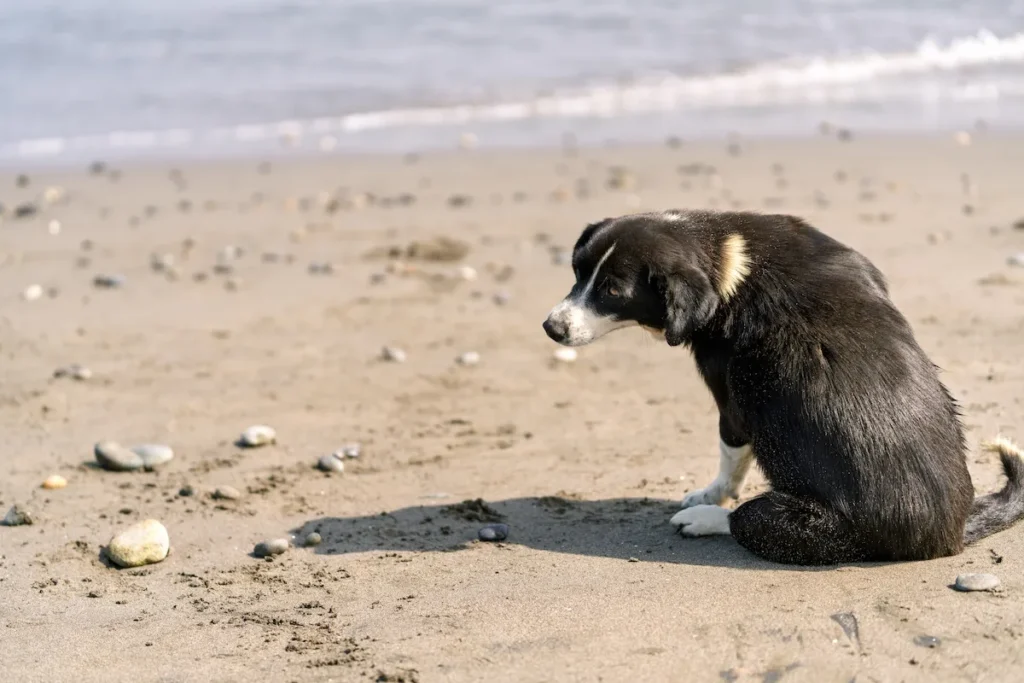
Organized beaches are a different story. Sunbeds, beach bars, lifeguards, paying customers: these beaches operate under their own rules, and dogs are only allowed if the operator has put up a sign explicitly saying so. Without that sign, your dog doesn’t get in. Assistance and therapy animals are the exception, but their owners need to carry documentation and be ready to show it.
Then there are Blue Flag beaches, the ones certified by the Hellenic Society for the Protection of Nature. These are completely off-limits to dogs, with the same exception for certified assistance animals.
The Rules Nobody Skips
Whichever beach you’re on, some things don’t change. The leash is mandatory on the way in and on the way out, not optional, not a suggestion. Waste bags are your responsibility, and cleaning up immediately is expected. If your dog is aggressive, the municipal or port police can remove the animal and issue a fine on the spot. Greek law also requires that dogs be microchipped and registered in the National Companion Animal Registry, so if that’s still on your to-do list, sort it before the trip.
Summer complicates things further. Between June and September, enforcement gets stricter across the board, especially on busy beaches. Some municipalities layer on their own temporary restrictions during peak hours, and local rules always override the general ones. A sign on the gate matters more than anything you read online, including this.
The Part Where It Actually Gets Good
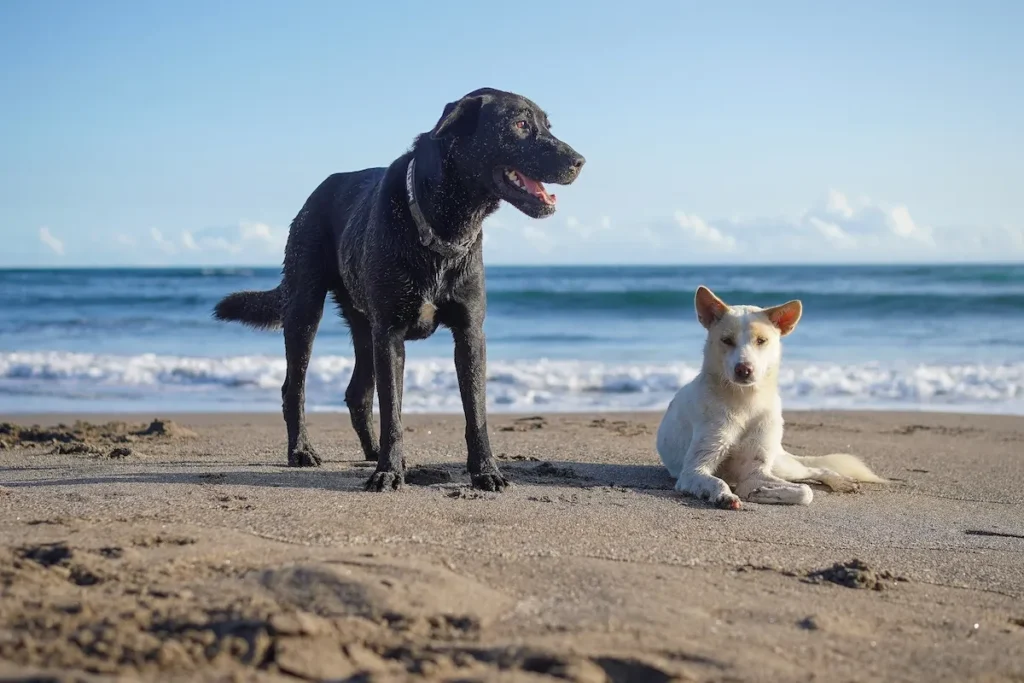
Here’s the thing about beach holidays with dogs in Greece: the beaches where dogs are most welcome tend to be the ones worth going to anyway. The quiet coves, the unorganized stretches with no infrastructure and no crowds, the spots you only find because you walked a bit further than everyone else. Those are the places where a dog fits perfectly and where nobody is going to give you a second look.
Go early. The light is better, the sand is cooler, the beach is yours. Bring water for your dog because the heat is serious and the sun comes up fast. Find shade where you can. Stay through the morning, leave before the crowds arrive, and come back when they’ve gone.
There is no private beach in Greece: Access and construction laws
Every stretch of coast is designated public land by law, guaranteeing unrestricted access to the shore regardless of adjacent property. A lawyer outlines the exact rules governing public access, beachfront property boundaries, and development limits in our guide to coastal legislation.
KEY LEGISLATION
Dog access to beaches is governed by Law 4830/2021, Article 19, which distinguishes between organized and unorganized beaches for purposes of animal presence.
SOURCES
Ministry of Interior: Companion Animal Protection Committee
***