
From a Weekend Walk to a Permanent Home
A retired couple from Munich once arrived Keramoti by chance. It was to catch a ferry to Thassos. They assumed the river nearby would be little more than a pleasant backdrop. They stayed a few days, walked a little, followed the water without expectations. By the end of the week, they were already planning their return. They came back the next year, then the next each time discovering something new: a different trail, unfamiliar birds, a café hidden in a floodplain forest, the silence of the gorge near Toxotes. Eventually, they stopped calling it a destination and started calling it home.
Only then does geography truly matter. Nestos flows between the regional units of Kavala and Xanthi in northeastern Greece, shaping one of the most important ecosystems in the country. From its vast delta near Chrysoupoli and Keramoti to the impressive straits, accessible from Toxotes, the river creates two entirely different worlds, both protected, both deeply calming, both perfectly suited to an active yet gentle retirement. Life near Nestos never feels repetitive. It feels quietly abundant.
The Nestos Delta: Where Life Slows and Nature Expands
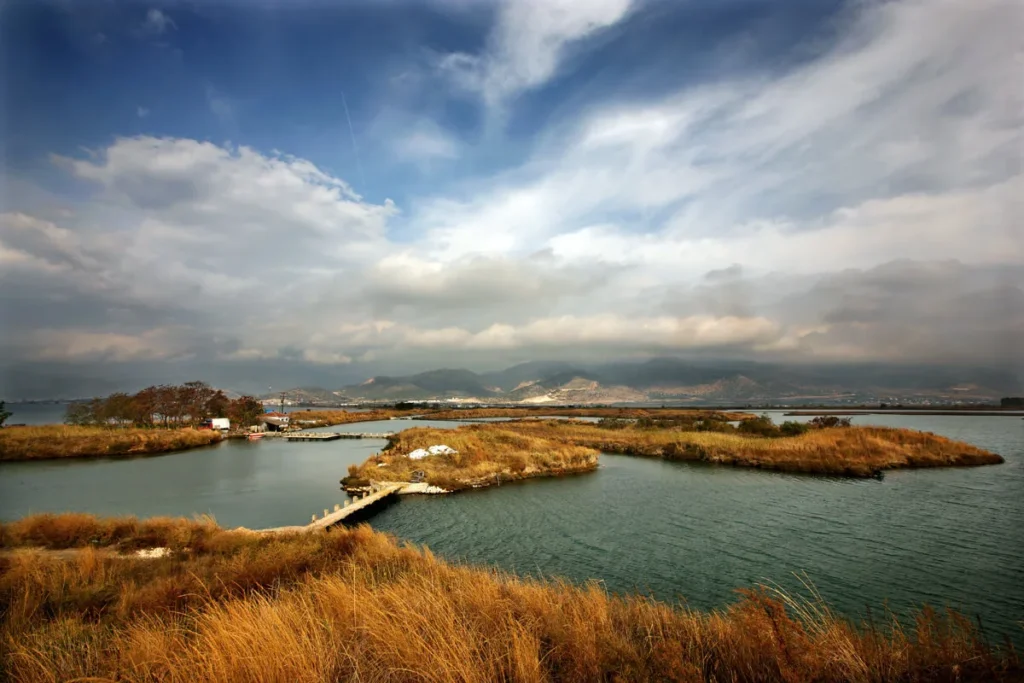
The Nestos Delta, covering approximately 55,000 hectares, stretches calmly along the southern border of Kavala and Xanthi. It was formed over centuries as the river carried sediments toward the sea, shaped further by waves and currents, until land and water reached a rare balance. Today, this balance is protected and internationally recognized: the delta is part of the Ramsar Convention, the Natura 2000 network, and a Special Bird Sanctuary of the European Union.
Yet none of this feels academic when you are there. The delta feels open, breathable, generous. Flat paths invite long, unhurried walks. The river here is gentle, often shallow enough to wade into during summer, its water cool and clean. Seven small lakes lie northeast of Chrysoupoli, while eight lagoons create a constantly shifting landscape of reflections and light.
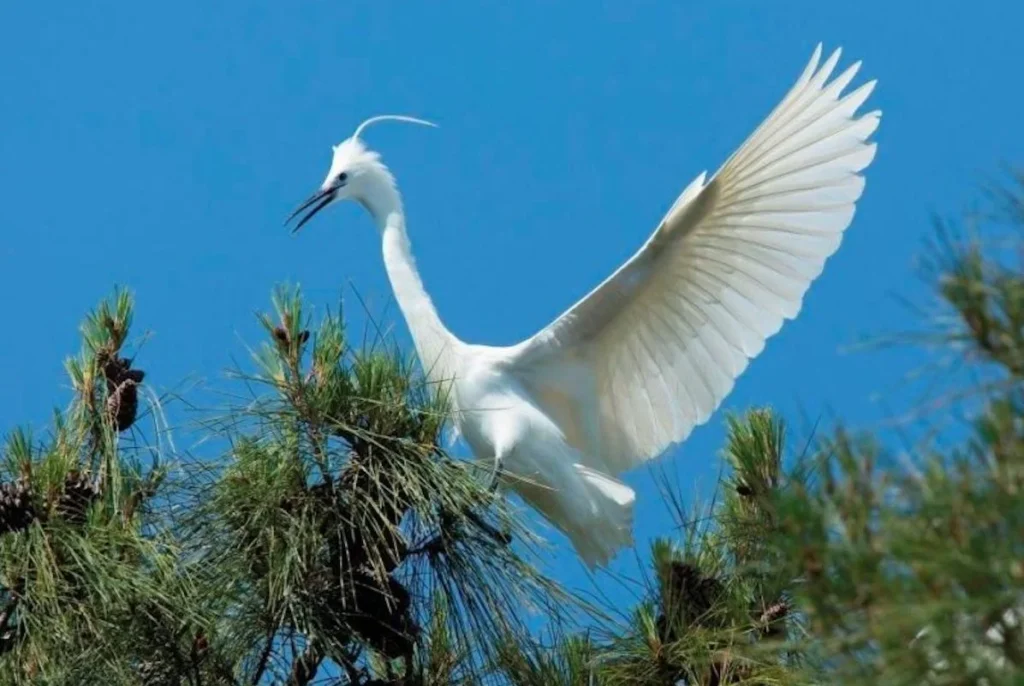
People arrive planning simple walks and soon realize they are surrounded by life. More than 270 bird species have been recorded here. Flamingos, herons, spoonbills, storks, ducks, geese, eagles, and even rare species like the spur-winged lapwing appear unexpectedly. You don’t need binoculars to become a birdwatcher; the birds come to you. Mammals such as European otters and golden jackals inhabit the wider area, alongside amphibians, reptiles, and fish—six of them endemic to the region.
The couple who first wandered here for “a walk” now recognize individual spots by season, not by name. They learned that boredom simply does not exist near the Nestos Delta.
The Nestos Straits: A Wild Beauty Reached from Toxotes
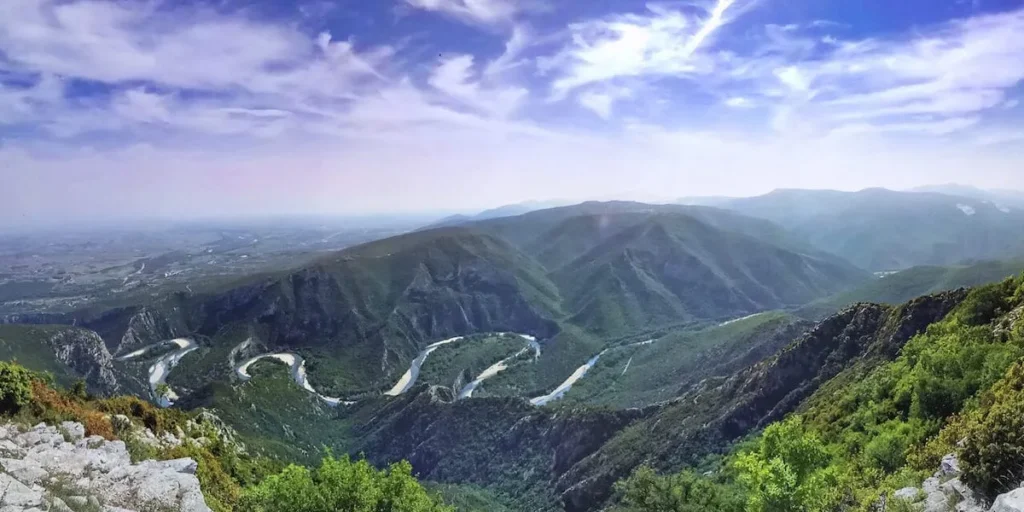
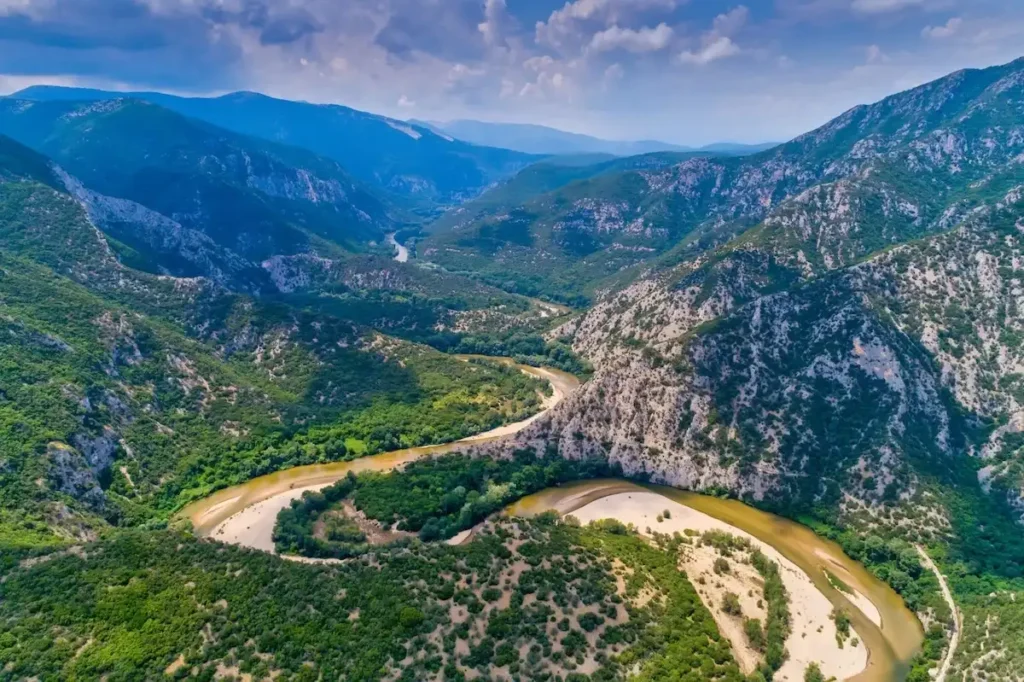
Further upstream, near the village of Toxotes, the river transforms. The Nestos enters its straits and gorge, carving a dramatic passage through limestone mountains of the Rodopi range. Covering approximately 23.8 million square meters, this protected area is included in both Natura 2000 and the Ramsar Convention, and is often described as one of the most impressive river landscapes in Greece.
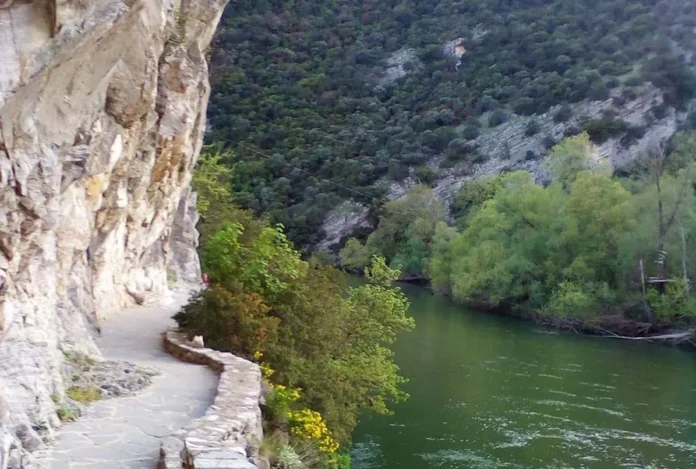
Here, the scenery becomes more vertical, but not less welcoming. Steep cliffs descend into the river, forests cling to the slopes, and a railway line appears and disappears through tunnels carved into the rock. A historic path, originally built by railway workers, follows the riverbank and now forms part of the E6 European long-distance hiking trail.
Many retirees enjoy this area at their own pace. Some walk only one or two kilometers from the parking area near Toxotes before turning back. Others take longer sections between Galani, Kromniko, Livera, and Stavroupoli, resting by springs, shaded by plane, willow, cedar, and oak trees. Wildflowers, orchids, and climbing plants fill the forest floor, while herons, eagles, and vultures circle above. In some areas, wild horses roam freely.
Kayaking is possible on certain stretches of the river when water levels permit, as Nestos does not always carry enough water year-round. Guided tours ensure safety and adapt routes to conditions. For quieter days, the scenic train ride between Stavroupoli and Toxotes offers unforgettable views without any physical effort at all. The German couple who once hesitated before entering the gorge now return every year. Eventually, they stopped leaving.
If you choose to live permanently in Keramoti, Chrysoupoli, or Xanthi, one of the simplest pleasures you can turn into a habit is a beautiful train ride through nature. The route from Toxotes to Stavroupoli costs around €3, lasts approximately 40 minutes, and is considered one of the most impressive railway journeys in Greece.
The train tracks run directly alongside the bed of the Nestos River, through an area where no cars or bicycles can pass and where walking is difficult due to dense vegetation. The river flows parallel to the railway line, while the train frequently enters and exits stone tunnels, heightening the feeling of being completely immersed in the landscape.
Each season transforms the journey. You are entirely surrounded by nature, and the colors shift subtly from week to week, fresh greens in spring, deep shade in summer, warm tones in autumn, and a quiet, almost mystical atmosphere in winter. Upon arriving in Stavroupoli, you can enjoy lunch or a coffee in the village before returning to your base a few hours later, with the final return train running in the afternoon. If your home is in another town, it is advisable to leave your car in Toxotes before boarding the train.
***
If Nestos has sparked your curiosity, take a closer look at nearby Keramoti, a relaxed coastal village where river and sea meet in an easygoing rhythm. Our guide explores what daily life is really like there, from choosing a home to settling into the local pace of living.