

Your Essential Gateway to Greek Residency and Digital Tax Services
If you are planning to move to Greece, retire here, buy property, or stay for several months, one of the first things you will encounter is the AFM Tax Identification Number (Αριθμός Φορολογικού Μητρώου / ΑΦΜ). While some everyday activities are possible without it, such as short-term rentals or tourist services, an AFM tax number is required for official transactions including tax filings, property contracts, and opening a Greek bank account.
Even if your goal is simply to enjoy a quiet village or a seaside town, the AFM quickly becomes essential. It links you to the Greek tax authorities and allows banks, businesses, and government agencies to identify you officially. Think of it as your gateway to living and functioning legally and smoothly in Greece.
Who Needs an AFM: Understanding Its Importance
Almost everyone interacting with Greece’s official systems needs an AFM. Residents who work, receive a pension, or run a business must have one. Non-residents may also require an AFM if they buy property, rent long-term, or start a business. Freelancers and self-employed individuals cannot issue invoices or pay taxes legally without it. Even visitors staying for an extended period might need an AFM to manage rental agreements, utility contracts, or other financial matters.
Essentially, if you plan to interact with Greece’s legal or financial systems in any meaningful way, the AFM is mandatory. Skipping it can lead to delays, extra costs, or complications in otherwise simple transactions.
How to Get an AFM: Step by Step
The process of obtaining an AFM is straightforward but requires preparation. Your journey begins at your DOY, your local tax office, (Δημόσια Οικονομική Υπηρεσία). You apply in the area where you live, intend to buy property, or are inheriting a property. If you reside abroad but need an AFM, some Greek consulates can assist or start the process for you. Greek tax offices are accustomed to helping foreigners, and many offices offer guidance in English if needed. Alternatively, the application can be completed online directly by the individual, though most retirees still choose to hire an accountant or lawyer to handle the process.
To apply, you will typically need three key items. Firstly, you will need a valid passport or EU ID card to verify your identity. Second proof of address in Greece, such as a rental contract or a utility bill. And third, the application form provided by the tax office, where you will enter personal details like your full name, date of birth, nationality, and address.
Non-EU citizens may also be asked to provide a residence permit or other proof of legal stay. If you are buying property or starting a business, additional documentation may be requested. The procedure is easy once you have your documents. Submit your application at the DOY, and the staff will review your paperwork and assist with the form if needed. In most cases, your AFM is issued immediately, or you will receive it within a few days. Once issued, the number remains with you for life, though you must update it if your personal details or address change.
How the AFM Works: What It Means in Practice
Your AFM is a unique nine-digit number that links you to Greece’s tax system. It is used in almost every financial or legal transaction. Banks record your AFM when opening an account, landlords request it when signing a rental contract, and property transactions rely on it for taxes and registration. Businesses use it when issuing invoices, even for relatively small transactions.
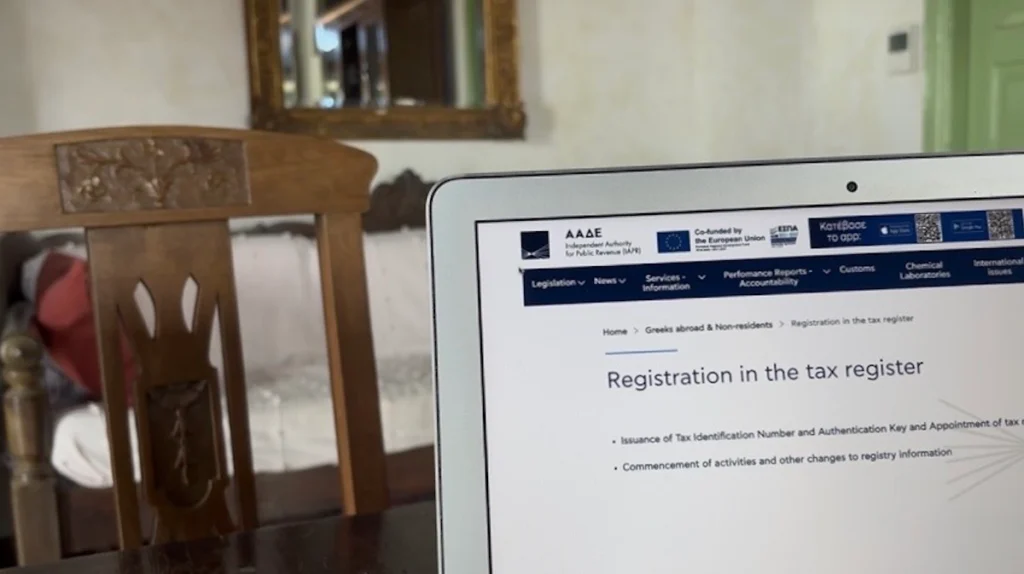
Since 2026, many aspects of the AFM process have moved online. Greece’s digital platforms allow banks, government agencies, and service providers to verify your AFM electronically, reducing the need for repeated visits to the tax office and making life easier for foreigners.
Tips and Practical Advice
Getting your AFM early is essential. Don’t wait until you need it urgently for banking, renting, or property purchases. Keep a copy safe, as you will be asked for it multiple times over the years. Update your details whenever your address or personal information changes. If your Greek is limited, bring a translator or check whether English-speaking staff are available at the DOY. Planning ahead will save time, stress, and unexpected delays.
Your First Step Toward Greek Life
The AFM is not just a number; it is a requirement for anyone interacting with the legal or financial system. It opens doors, simplifies transactions, and ensures that your affairs are handled officially and correctly. Whether you are retiring to a small village, managing property, or starting a business, obtaining your AFM is the first and most important step toward living comfortably and confidently in Greece.
SOURCES
AFM Obligation: Law 5104/2024 (Code of Tax Procedure), Article 10
Issuance Procedure: IAPR Decision A.1181/2025 (Gov. Gazette B' 6814/2025)
Registration Form: Form D210 (IAPR Decision A.1221/2021)
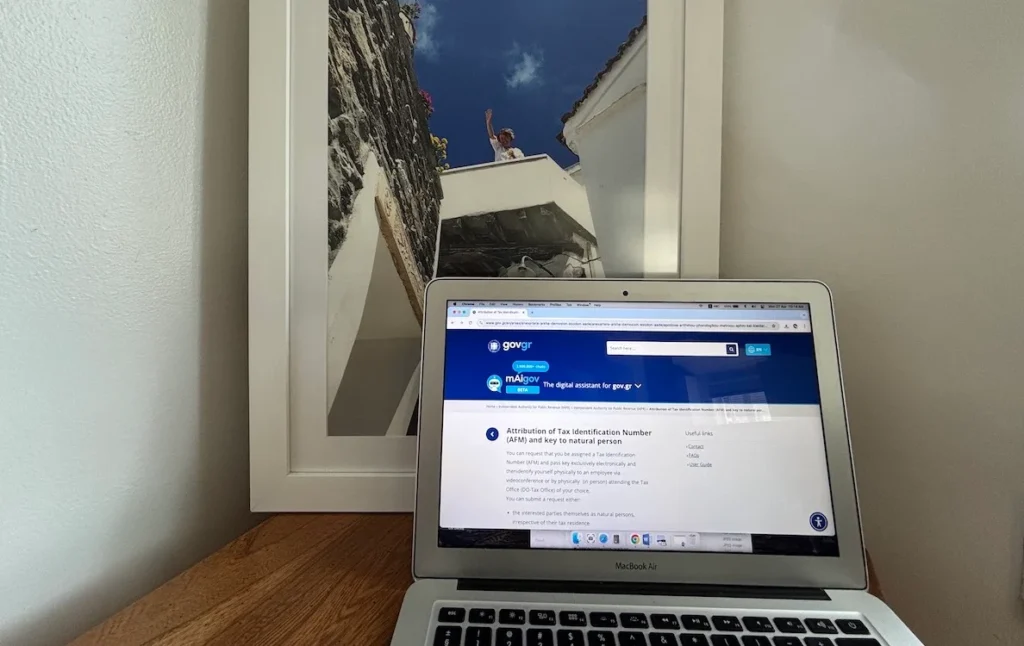
Official Digital Portal: Attribution of Tax Identification Number (AFM) and key to natural person
AADE: FAQs about issuing a Tax Identification Number (TIN)
***
Planning your move to Greece? Do it right the first time
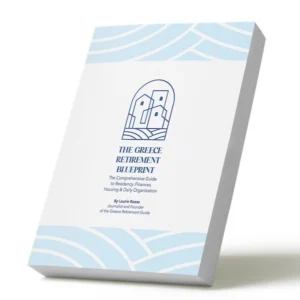
Get instant access to all 104 pages of clear, step-by-step guidance on Greek tax numbers, banking setup, health insurance, and administrative requirements—compiled into a single PDF document.