
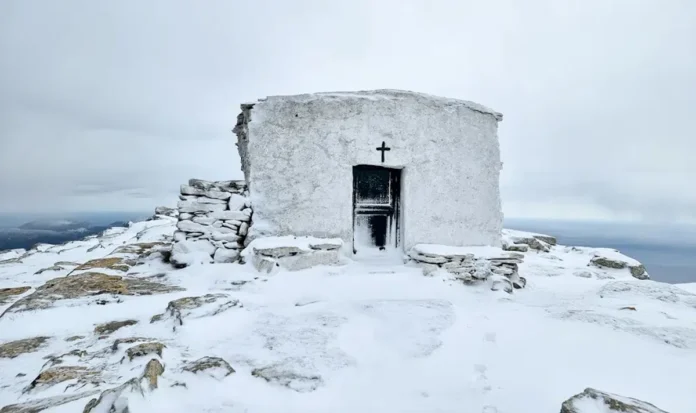
Navigating the Seasonal Shifts of the Mediterranean
The enduring image of Greece is often one of endless sunshine, turquoise waters, and heat-baked landscapes. For those planning a permanent relocation or a long-term retirement, however, it is essential to look beyond the mid-summer brochure. Understanding the Greek climate requires a departure from tropical fantasies and an acceptance of a true Mediterranean cycle, which includes significant rainfall, powerful winds, and periods of biting cold.
Beyond the Twelve-Month Summer Myth
Greece does not experience a perpetual summer. While the country enjoys more annual sunshine than much of Northern Europe or North America, its seasons are distinct and occasionally harsh. The climate is officially classified as Mediterranean, but the varied geography, ranging from high mountain peaks to isolated island chains, creates significant regional diversity. In many parts of the country, the transition from the warmth of October to the damp chill of November is abrupt, marking the beginning of a winter that can be surprisingly unforgiving to the unprepared.
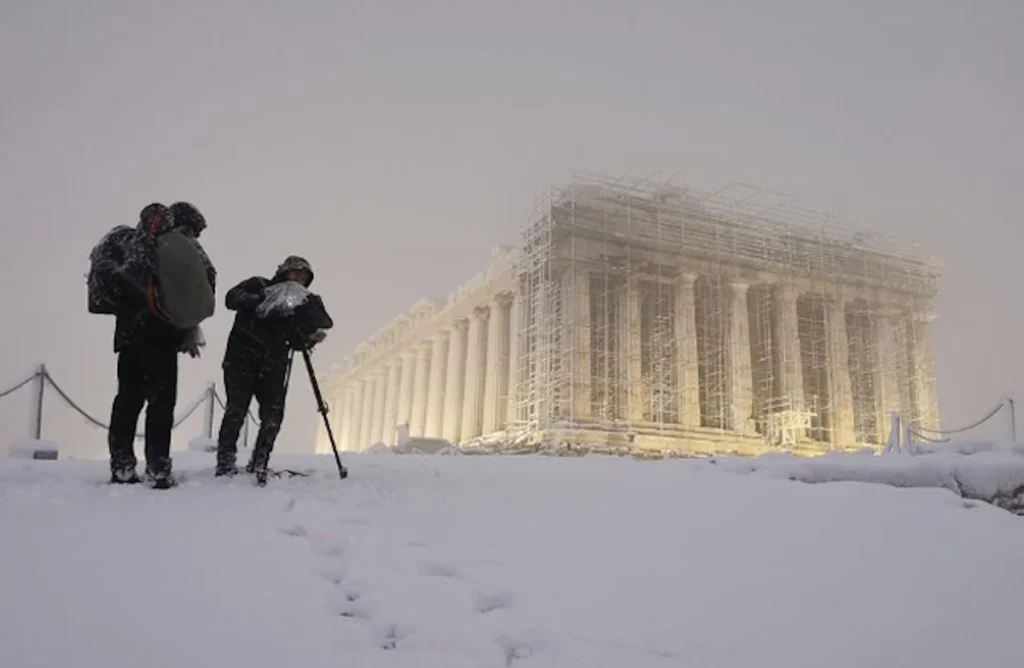
Regional Temperature Variances and Winter Conditions
Winter in Greece is characterized by a high degree of variability. In Northern Greece and mountainous regions, sub-zero temperatures and heavy snowfall are standard seasonal features. Even in the more temperate coastal areas and the Cycladic islands, the winter months bring a damp, humid cold that often feels more piercing than the dry freezing temperatures found in continental climates.
Because many Greek residences are historically designed to stay cool during the intense heat of July and August, they can be difficult to heat efficiently in January. For a retiree, this means that central heating, proper insulation, and moisture control become more important considerations than air conditioning for several months of the year.
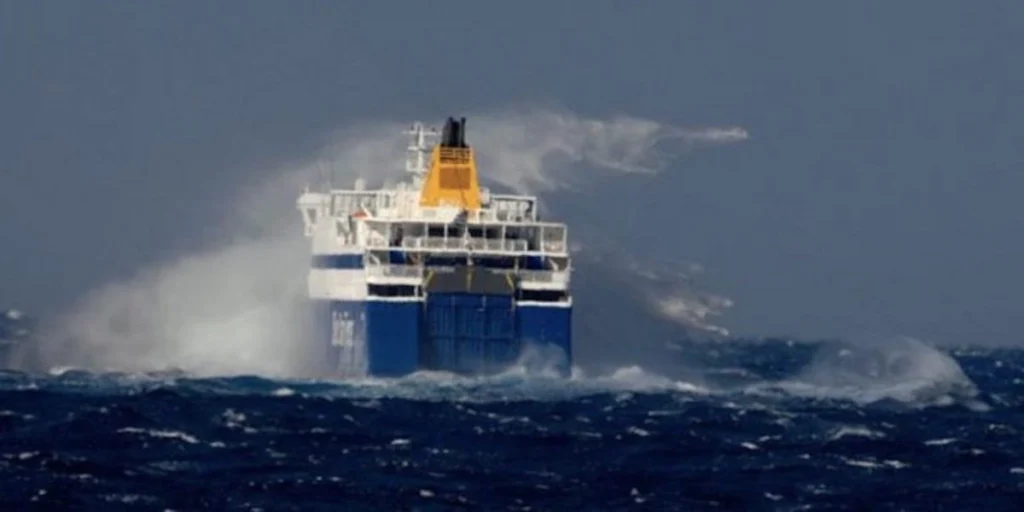
The Power of the Aegean Winds
Navigation and connectivity in Greece are at the mercy of the wind. During the winter, the “Gale Force” winds can lead to the ” απαγορευτικό” ( αpαgoreftiko) a mandatory ban on sailing issued by port authorities when sea conditions become too dangerous. These disruptions are not merely inconveniences; they can isolate islands for days at a time, affecting the delivery of goods and the accessibility of medical services.
Even the summer months are not immune to atmospheric turbulence. The Meltemi, a strong, dry north wind, frequently sweeps through the Aegean in July and August. While these winds provide a necessary respite from the heat, they can also result in rough seas and sudden ferry cancellations, reminding residents that the environment dictates the pace of life in Greece.
Precipitation and Environmental Challenges
Rain is a vital part of the Greek ecosystem, but it often arrives in intense bursts rather than steady drizzles. Western Greece and the Ionian islands receive significant rainfall as the Pindus Mountains trap moisture coming from the west. However, throughout the country, extreme weather events can lead to flash flooding in urban and rural areas alike. These moments serve as a stark reminder that the landscape is shaped by all elements, not just the sun. For those living in Greece year-round, the “green” beauty of the spring is a direct result of a wet, grey, and often stormy winter season.
Understanding Regional Climate and Year-Round Living
To help you choose the right location for a permanent residence, we have gathered a collection of 10 destinations highlighting Greece’s varied regional climates. You can then explore our dedicated Relocation Guides, which analyze what everyday life is truly like for a retiree year-round, far beyond the summer months.
***