
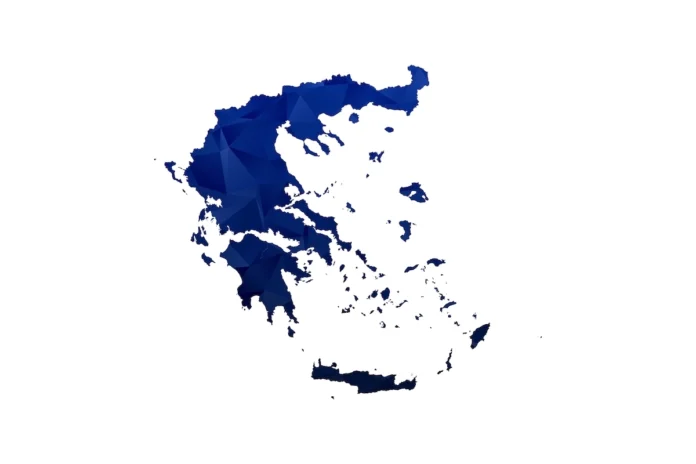
Understanding Greece’s Dual Geography
When foreigners first arrive in Greece, they often believe that maps are simple. Most people think that a place is managed by the nearest big city. Very quickly, however, many discover that Greece has two different ways of dividing the country. One division comes from geography and history, and the other comes from administration and government. Understanding this difference can save a great deal of confusion, especially for retirees who must deal with paperwork, property, or healthcare.
The geographical regions are older and closer to the way Greeks describe their identity. A person may say they are from Macedonia, Thrace, or Epirus. Others speak of Thessaly, or of the Peloponnese. Islanders may say they live in the Cyclades, or on Crete. These names describe landscape, history, and culture. They answer the question, “Where in Greece are you?” but they do not tell you which office is responsible for your documents.
The Administrative Map
The administrative regions are different. They were created so the state could organize services, budgets, and European funding. A resident may belong to Attica or to Central Macedonia, Western Macedonia, and Thrace. In the west, there is the administrative region of Epirus, while inland lies Thessaly. On the mainland, one also finds Western Greece and the administrative region called Central Greece, and farther south, the administrative Peloponnese. At sea, there are regions of the North Aegean, the South Aegean, the Ionian Islands, and finally Crete. These names determine which authority manages hospitals, infrastructure, permits, and many official procedures.
For a foreign retiree, the difficulty begins because the two systems overlap in name but not always in borders. Someone may hear neighbors speaking about living in Macedonia, yet discover that the government divides that same land into three different administrative regions. Another person may hear about the Aegean Islands as one broad area, only to find that the state separates them into two different administrations, north and south, each with its offices and programs. While many residents handle these administrative layers seamlessly online, managing everything through digital portals, the underlying administrative divisions often tell a different story from local history.
This difference can also affect perception. A foreigner often understands a place through geography first. The sea you see, the mountains nearby, and the closest port seem to define where you are. Administration, however, follows another logic that may come from history, transportation routes, or political decisions made long ago. The result is that the “nearest” office is not always the correct one.
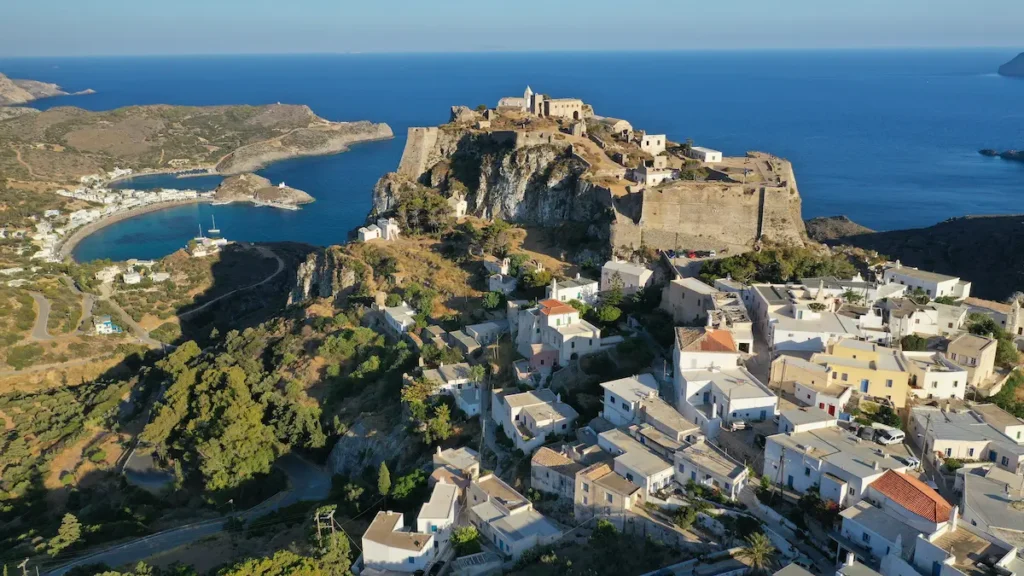
A worthy example is Kythira. A retiree living there looks toward the Peloponnese and feels naturally connected to it. Boats, supplies, and daily life often link the island to the mainland nearby. Yet administratively Kythira belongs to Attica, the region centered on Athens. A newcomer might assume that services are handled in the Peloponnese, only to learn that certain permits, regional programs, or development matters are processed through authorities connected to Attica instead.
Practical Guidance for Foreign Residents
It is good to be aware of these facts in advance. When a retiree applies for residency documents, property registrations, or regional subsidies, the important question is not which city is closest but which administrative region has jurisdiction. Asking this simple question early can prevent delays, unnecessary travel, and frustration.
This knowledge also helps understand information found online. Many articles, tourism guides, and conversations use the geographical regions because they are familiar and easy to understand. Official websites, however, almost always use administrative regions. Realizing that these are two different maps allows a foreign resident to read both without confusion.
Over time, most foreigners adapt to this dual way of seeing the country. They learn to think of Greece as having one map for culture and another for administration. One explains the character of a place, while the other explains how the state works. For a retiree who plans to live in Greece for many years, this small piece of understanding makes daily life smoother and turns what first seems confusing into something clear and manageable.
***