
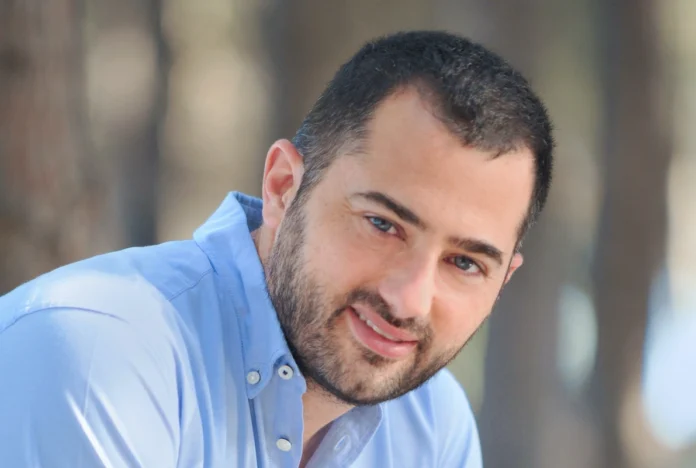
Fanis Spanos, Governor, Explains Why Central Greece Region Is One of the Best Kept Secrets for Retirement
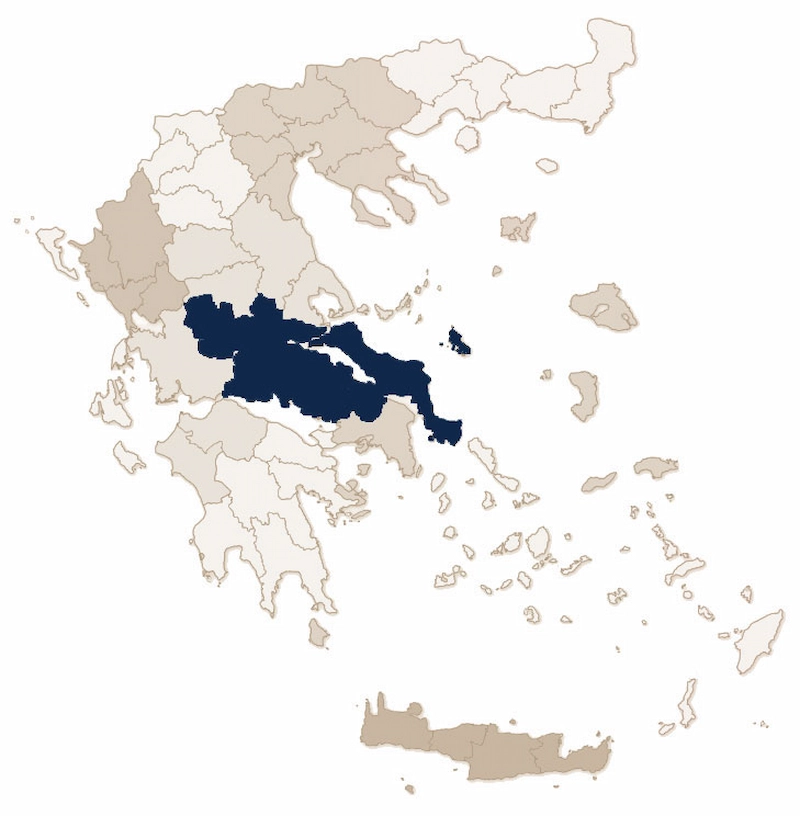
Central Greece offers a wealth of property opportunities and a rare blend of natural beauty, peaceful everyday living, and reliable access to essential services. In this exclusive interview, Fanis Spanos, Governor of Central Greece, re-elected in 2023, shares his perspective on what makes the region such a remarkable place to call home. Widely regarded as a results-driven young politician, he reflects on the region’s many advantages, from its dramatic mountain landscapes to its long, varied coastline. Central Greece is an administrative region that stretches from the rugged mainland ranges to the island of Euboea, bringing together diverse environments under one cohesive identity.
Which areas of Central Greece would you recommend to a foreigner who wants quality of life, calm, and access to services?
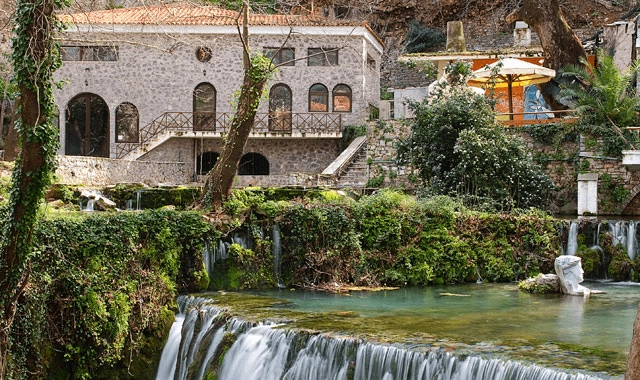
Today, most basic services, especially financial and administrative ones, are available online. The public healthcare system, despite some shortages, provides coverage to all citizens and legal residents, including free emergency care. This means people can live in many beautiful parts of Central Greece and still have access to what they need. I prefer not to name specific places, because I would leave many others out. From Delphi and the mountains of Agrafa to Thermopylae, Orchomenos, Livadeia, and Thebes, from mountain villages to coastal towns along the Evian Gulf and the Aegean Sea, Central Greece has many hidden gems waiting to be discovered.
What are the main advantages of daily life in Central Greece?
It is a beautiful Region with a wonderful climate and welcoming people. It is easy to enjoy outdoor activities and find fresh, high-quality local products. Another advantage is the proximity to Athens, especially for people living in Fthiotida, Evia, or Boeotia. The cost of living is clearly lower than in large cities, and even in the biggest towns there is less stress and pressure than in major urban centers.
Are there disadvantages foreigners should know before moving?
Every big life decision has both positive and negative aspects. The main difficulty foreigners often mention is the language barrier. In general, with adequate preparation and the right choices, living in Central Greece has few disadvantages. Daily life and the overall experience usually reward those who choose to live here.
How would you describe the cost of living?
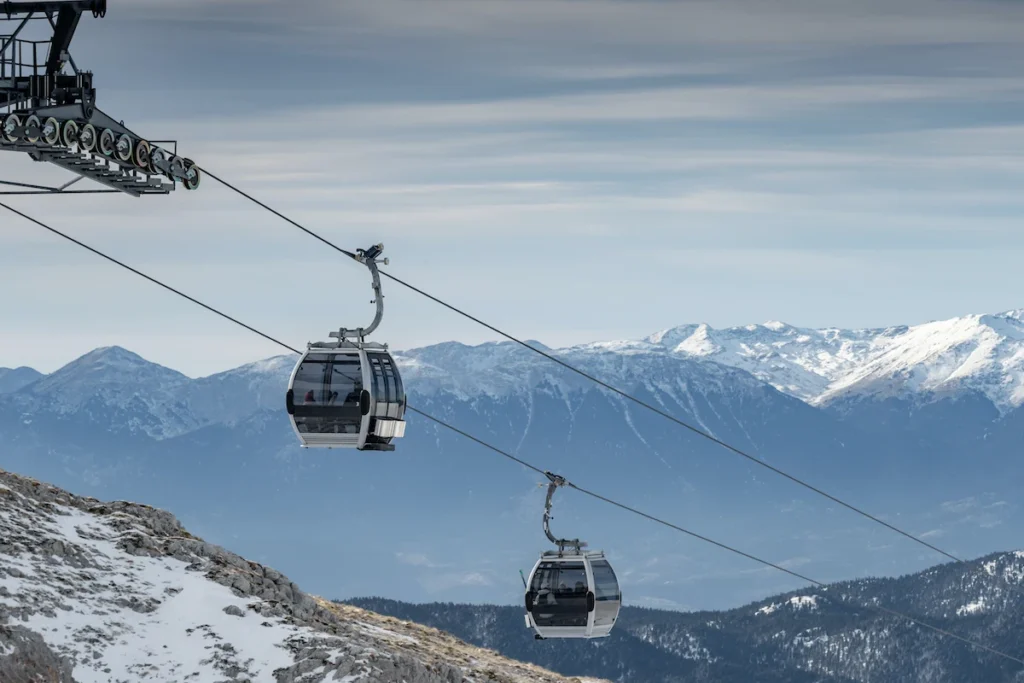
It is noticeably lower than in many other parts of Greece, even though you can find everything: outstanding services, excellent food, quality accommodation, beautiful beaches, and the two largest ski resorts in the country, Velouchi and Parnassos. Housing costs, in particular, are significantly lower than in Athens and most islands.
What about the real estate market?
In many small towns and villages, there are many unused homes, which makes it easier to find property to rent or buy. Greece has more than 2.2 million empty homes, including second homes and holiday houses. There are also subsidy programs to help renovate properties. This creates many opportunities for people who want to move to Central Greece.
Are there areas with low property prices and good infrastructure?
Yes. Many smaller towns and villages offer available properties and adequate infrastructure.
How are the digital infrastructures?
In the last few years, digital networks have improved quickly. With satellite internet now available, fast internet access is generally no longer a problem.
How simple is it to travel within the Region and to Athens?
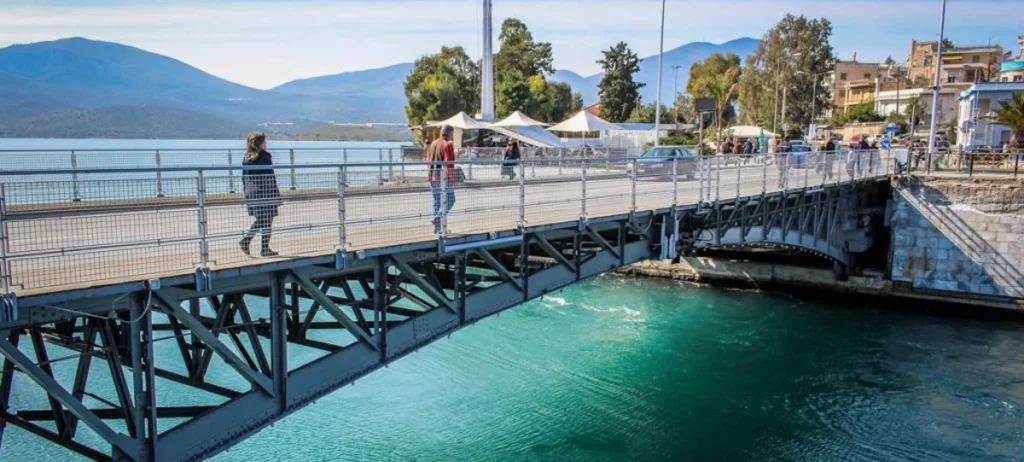
It depends on the area. From Fthiotida, Evia, or Boeotia, access to Athens by highway is very easy. Some mountainous areas, like Agrafa in Evrytania, are more difficult to reach, but many road projects are underway to improve safety and access. Fokida and Evia are undergoing similar improvements as they continue to upgrade their internal road network.
How do you evaluate healthcare services, especially for older people?
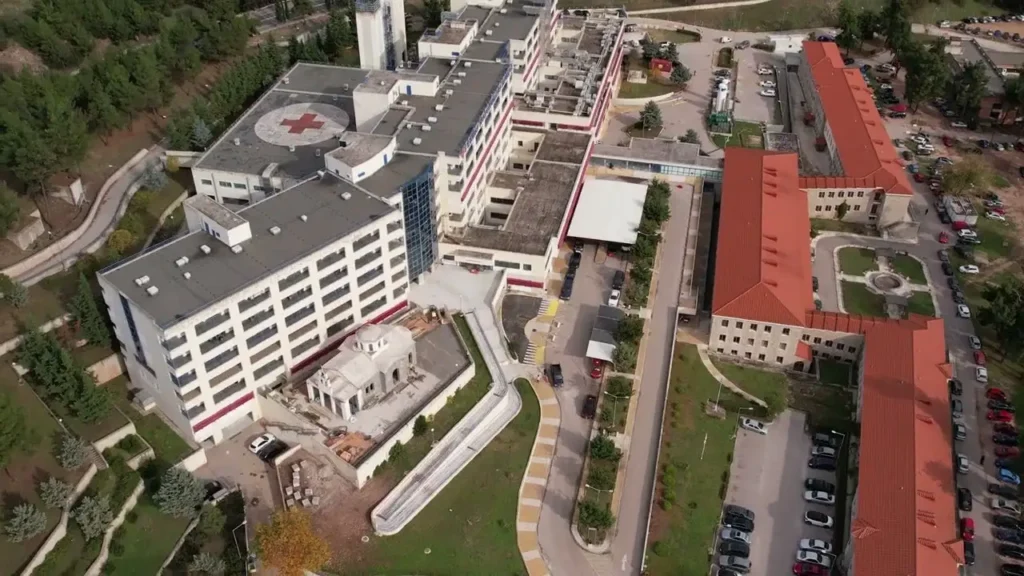
We always aim to improve healthcare services, especially for elderly residents. In the last years, the Region has helped upgrade infrastructure and equipment. There is still a shortage of staff, but the doctors and nurses working in the system are highly skilled.
Is access to hospitals and doctors sufficient?
In Central Greece there are 8 hospitals, 31 health centers, and many local clinics. Their distribution makes access relatively easy, even for people living in remote areas. The main challenge remains increasing the number of medical staff.
What is the Region doing to improve healthcare and social services?
Our goal is to offer the best possible healthcare to residents and visitors. During the past few years, many projects have improved buildings, equipment, and services. One example is the new modern hospital in Chalkida, funded through regional development programs. The Region also provides financial incentives to attract doctors to remote areas and supports social care services across all municipalities.
Are there organized communities of foreigners or expatriates?
The answer is no, at least not to a significant degree. Compared to some other countries, there are fewer organized expatriate communities, and the number of migrant reception centers established in previous years is currently declining.
How easy is social integration for a foreigner?
People in this region are welcoming. Anyone who speaks even basic Greek will face few difficulties.
Are there activities that help older foreigners integrate?
Yes. Cultural and volunteer groups exist in many areas and can help people integrate. Greeks are generally willing to help others.
What is daily life like for someone who wants a quiet lifestyle close to nature?
Even in the largest cities (Lamia, Chalkida, Livadeia, Thebes, and Amfissa) daily life is comfortable. In smaller towns and villages, life is even quieter, with less traffic and closer contact with nature.
What does Central Greece offer in terms of nature and gentle outdoor activities?
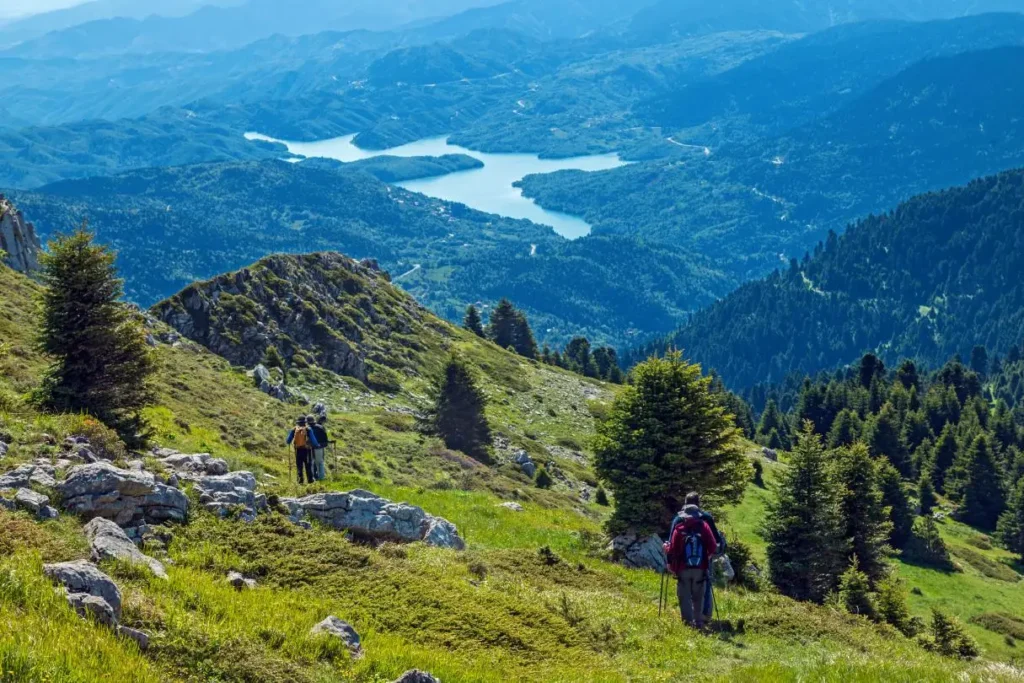
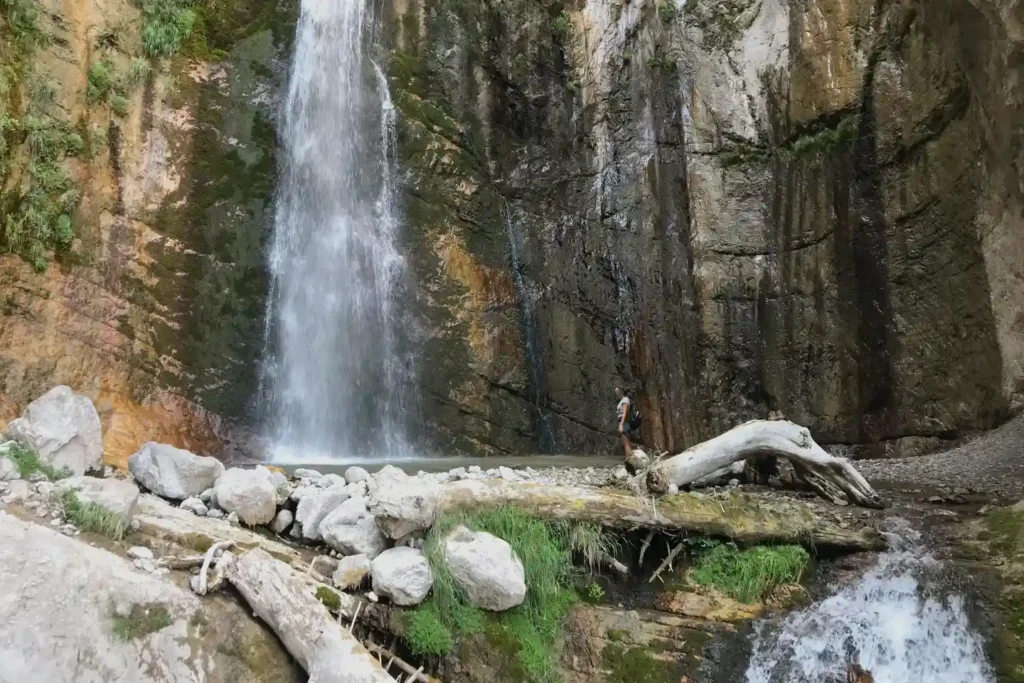
The Region offers beaches, mountains, hiking trails, and many options for relaxed outdoor activities. Mountains such as Parnassos, Giona, Vardousia, and Oiti offer forests, walking paths, and beautiful views. Evrytania is known for its fir forests and scenic gorges, ideal for quiet walks. Traditional villages like Pavliani, Fidakia, Desfina, Arachova, and Steni offer peaceful walks combining nature and local architecture. From the beaches of Evia to the calm shores of Fokida, there are many places to enjoy the sea.
Are there initiatives to attract foreign residents or retirees?
Not as many as we would like yet. However, this interview is a good opportunity to invite your readers to discover and appreciate our region.
What is the biggest misconception about Central Greece?
It is not exactly a misconception, but many people associate Greece only with the Acropolis and the islands, so they overlook Central Greece.
How would you describe Central Greece to a foreigner thinking of living here?
Central Greece has been a crossroads of gods and heroes. It has the second largest plain in the country and is ideal for tourism all year round. Above all, it is an ideal place to live. It is truly a blessing to live, even for a short time, in the heart of Greece.
More about the Region
Explore our complete guide to living in Karpenisi or learn about the reality of living in Chrisso, the village within walking distance of the Delphi archaeological site.
ABOUT THE EXPERT
Fanis Spanos, Governor of Central Greece
Region of Central Greece
In Office since June 2019. (Next local elections: 2028)
Headquarters of the Region of Central Greece: 2 Kalyvion Avenue, 35131, Lamia, Greece
periferiarxis@pste.gov.gr
***