
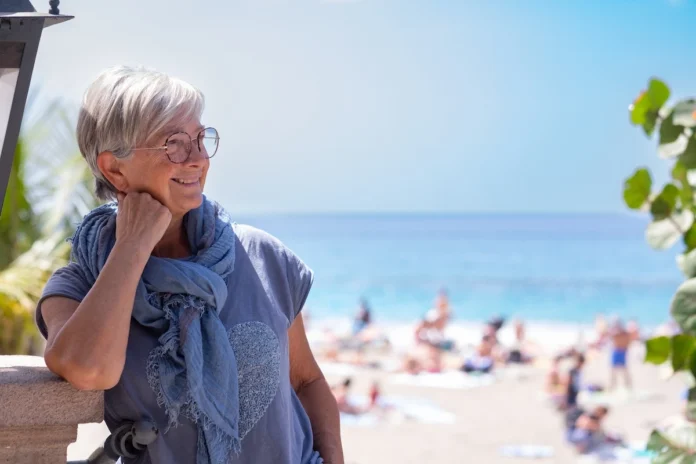
An Outsider’s Honest Account of What Island Life Really Looks Like for Solo Women
She came to a Cycladic island with an open mind, a good attitude, and a genuine desire to belong. A mature foreigner who lived alone on the island for several years, she experienced firsthand the gap between the dream of island life and its quieter, more complex reality. She shares her story anonymously, in the hope that it helps others make a more informed choice.
By a Long-Term Resident
Every experience of living abroad is shaped by where you are, what stage of life you’re in, your past, and what you expect. For older people moving alone, it often means different things and comes with different challenges than it did when we were younger. We may be less interested in adventure and more interested in stability, belonging, and meaningful human connection.
I came to this island with an open mind and a good attitude. I made a point of following local customs, respecting traditions, and getting involved in daily island life. But no matter how hard I tried, I always felt like I was on the outside looking in. The problem wasn’t anger or rejection — it was a quiet, constant sense of not quite belonging. Cultural misunderstandings happened, but they were small. Over time, I realized that acceptance rarely went beyond polite acknowledgment.
Social groups on the island are often deeply rooted in family and long-term relationships. For someone who arrived alone later in life, with no family ties or shared history, breaking into those circles was genuinely difficult. People were polite and friendly, but true inclusion was hard to find. Politeness made the surface friendly, but there was still an invisible line I felt I couldn’t cross.
There were also challenges in matters of the heart. While I was on the island, I became involved with a younger local man, though we kept it largely private. His family’s disapproval created an emotional gap that neither of us could bridge. He genuinely cared for me, but he kept me at a distance from family gatherings and important cultural moments like Easter, out of fear of how others might react. That exclusion hurt deeply. It showed me that emotional closeness doesn’t always mean social acceptance, especially for an adult newcomer.
I want to be clear: I never experienced rudeness, hostility, or unkindness. People were always polite, respectful, and well-behaved. Greetings were warm and daily conversations were pleasant. But politeness and friendship are not the same thing, and I often found myself wondering whether my experience would have been different had I arrived as part of a couple. Established communities sometimes find it easier to welcome two people than one, especially later in life.
I share this not to discourage anyone from following their dream, but to offer an honest account from someone who lived the reality behind the postcard. The island is beautiful — genuinely, breathtakingly beautiful. But beauty alone doesn’t make you belong. If you are considering a similar move later in life, think carefully about whether a small, close-knit island community meets your social needs. Bigger, more diverse communities may offer more openness, more social opportunities, and more flexibility. Age, stage of life, and social structure matter — and understanding the deeper dynamics of a place is just as important as falling in love with its landscape.
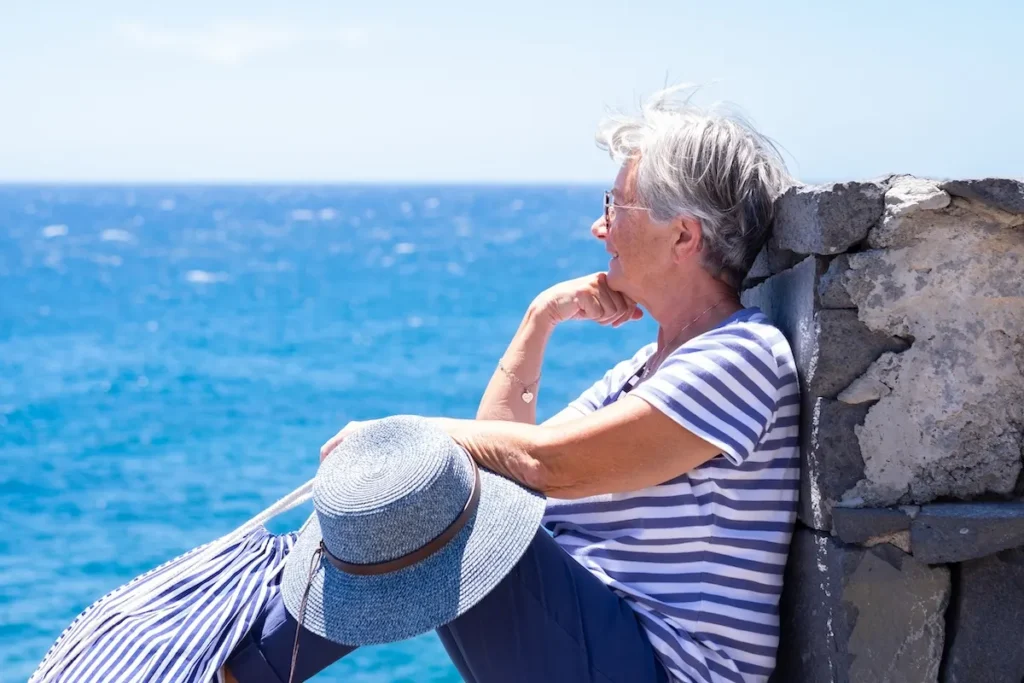
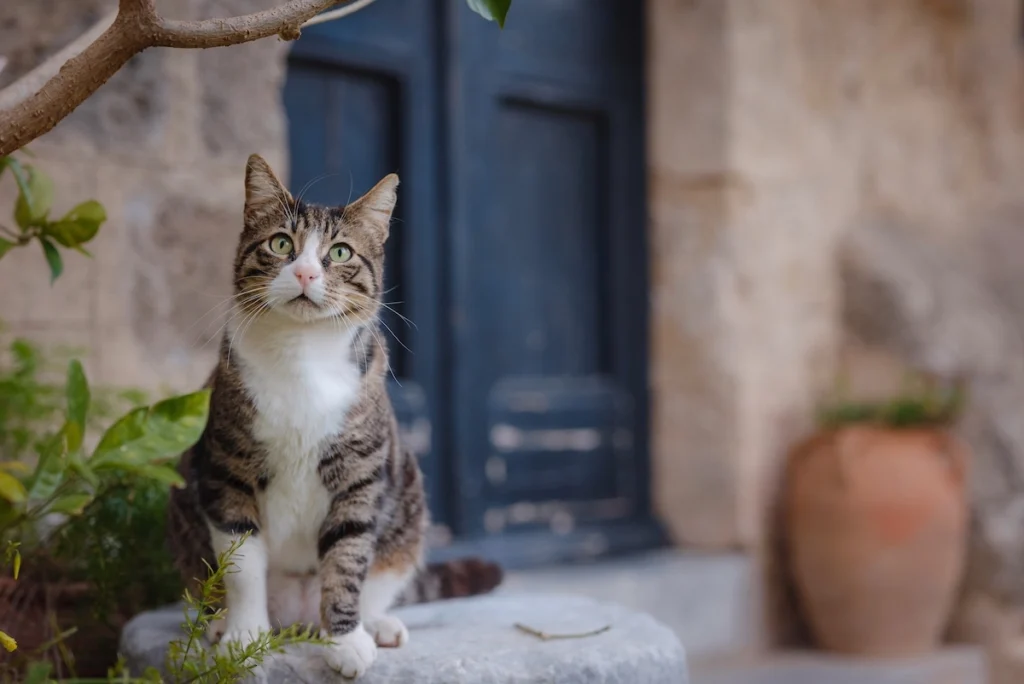
And so, here I am—still on this beautiful island, moving through the quiet rhythms of the day as something of a local stereotype. I have become the solitary woman with her cats, a familiar figure in the village who is always greeted warmly, yet remains fundamentally separate. I have found a certain peace in this role, though it wasn’t the one I originally scripted. I live within the landscape now, even if I don’t live within the circle, accepting that in Greece, sometimes the most honest way to belong is to simply be the one who stayed.
***