
A Documentary That Explains Why Rhodes Became an International Community
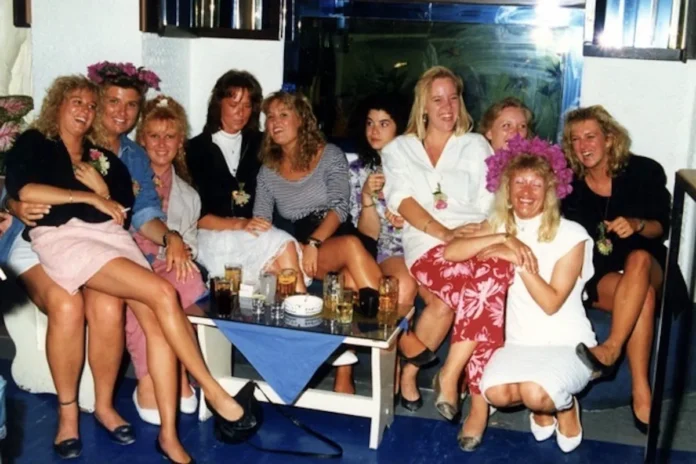
Long before Rhodes was known for its retirement-friendly climate and its welcoming expat communities, it was famous for something altogether more colourful: the “kamaki.” The word literally means harpoon, and in the 1970s and 1980s it described a very specific social ritual, the art practiced by young Greek men of pursuing foreign female tourists with charm, persistence, and a handful of borrowed phrases in half a dozen languages. The documentary Colossi of Love, screened at the Thessaloniki Documentary Festival in 2012, revisits that era with honesty and a touch of melancholy, gathering testimony from the men who lived it and the women who, in many cases, never quite left.
For anyone considering a move to Rhodes, the film is more than nostalgia. It is a key that unlocks something essential about the island’s social fabric, explaining why you will find international schools here offering instruction in up to twelve languages, why so many families carry mixed heritage, and why the community feels, from the very first week, unusually open to newcomers.
The Kamaki and the Making of a Mixed Community
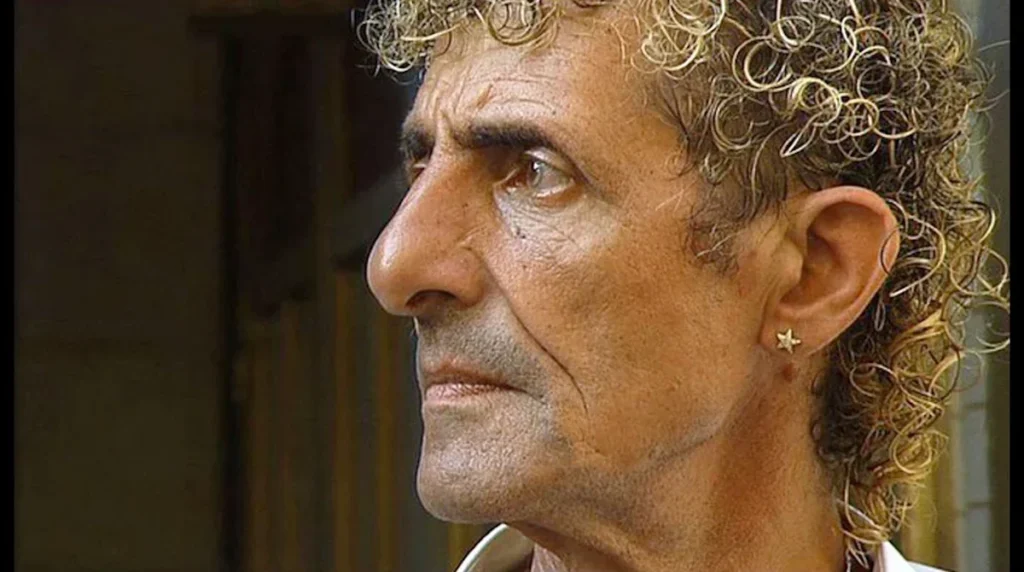
Director Nikos Mistriotis, who knew one of his subjects personally and spent over two years filming the documentary, describes the kamaki phenomenon as the product of a very particular historical moment. The end of Greece’s military junta, the sudden opening of the country to mass tourism, and the arrival of charter flights carrying adventurous travellers from Scandinavia, Finland, Germany, and beyond created conditions unlike anything mainland Greece was experiencing. On the islands, especially Rhodes, Kos, and Crete, some of these summer encounters went far beyond the ephemeral. As Mistriotis notes, enough of them ended in marriage or lasting connection to leave a permanent mark on the island’s demographic makeup, and that explains much about the communities foreigners encounter today when they arrive to retire.
The men interviewed in the film are candid about their motivations, which were hardly romantic in origin. Local social conventions made relationships with Greek women complicated, while foreign tourists offered freedom from those constraints. The women, for their part, were not passive participants. One Finnish tour guide who appears in the film recalls meeting the love of her life on her very first night on the island, and notes that the attention they received from local men felt, at the time, thrillingly unlike anything back home.
What the Film Tells You About Life on Rhodes Today
What makes Colossi of Love so valuable for anyone arriving on Rhodes as a prospective resident is the way it contextualises the warmth and openness you will almost certainly encounter. The island’s cosmopolitanism did not emerge from geography alone. It was built through decades of cross-cultural households, children raised between two languages and two countries, and a community that learned early on to absorb outsiders rather than resist them. That mixed heritage shows up not in surnames, since children in Greece take the father’s name, but in faces, in the languages spoken casually across a dinner table, in school demographics, and in the matter-of-fact ease with which locals relate to foreigners.
Mistriotis notes that mainland Greece only caught up to what the islands had already understood many years later. Rhodes absorbed this cultural exchange early, and the traces are everywhere.
A Portrait Worth Watching Before You Arrive
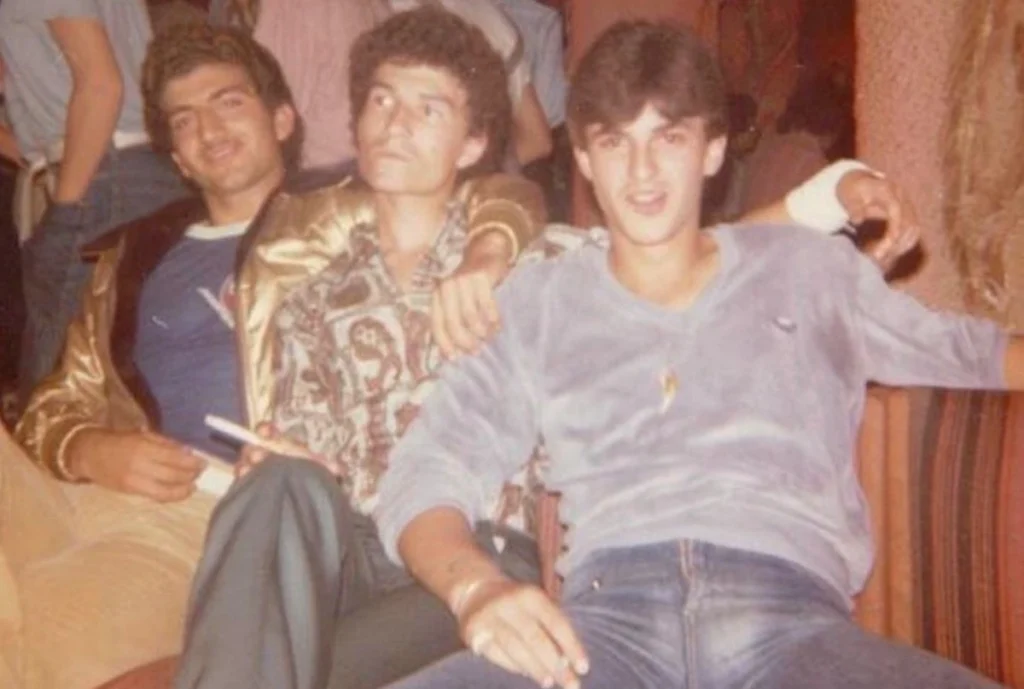
Colossi of Love is not a documentary about retirement. But here is the thing: the men gathered around the HighWay discotheque, taking stock of lives shaped by those long-ago summers, are now themselves at retirement age. The island they helped shape, by accident and by instinct, is the very island your readers are considering moving to. That continuity is quiet but real. Rhodes did not become one of the more internationally minded and welcoming communities in Greece by chance. It got there one summer at a time, and the documentary tells that story with candour, humour, and just enough regret to make it ring true.
Title: Colossi of Love Director: Nikos Mistriotis Production: Co-production between ERT (Greek Public Television), ARTE, and XYZ Productions Year: 2012 Languages: Greek and English
***
If the kamaki era made Rhodes one of the most internationally minded islands in Greece, it was Lindos that started it all, a village so cosmopolitan in the 1960s that it attracted artists, bohemians, and celebrities from across the world, and today one of the most expensive places to buy property in the country. Read our piece on Lindos in our series about six villages near ancient ruins.