
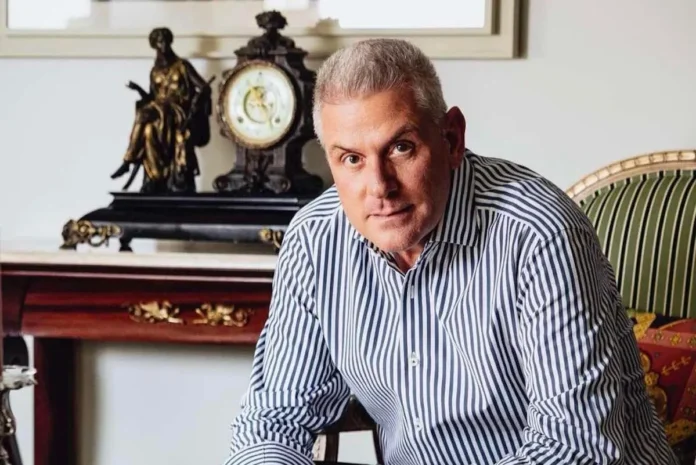
George Efthimiou, designer, explains his signature turnkey process for international homeowners
For those dreaming of a luxurious retirement home in Greece and wondering how to create a space that is both beautiful and truly livable without the stress of managing every detail, George Efthimiou may be exactly who you need. George grew up in Piraeus in a family of shipowners. He attended the Lycée Léonin in Athens, then went on to study interior design at the École des Arts Décoratifs in Geneva and Art History at the Victoria and Albert Museum in London.
Upon returning to Greece, he founded a company with an international client base, focused exclusively on interior design. From 2000 to the present day, George Efthimiou has created luxurious and sophisticated spaces around the world, covering both residential and commercial projects. He has taken on iconic hotels, villas, and palazzos on the French Riviera, in Tuscany, Corfu, and elsewhere, always undertaking luxurious, fully bespoke projects that reflect each client’s unique vision and lifestyle.
He spoke with the Greece Retirement Guide about how he transforms a house into a dream home and takes care of absolutely everything along the way.
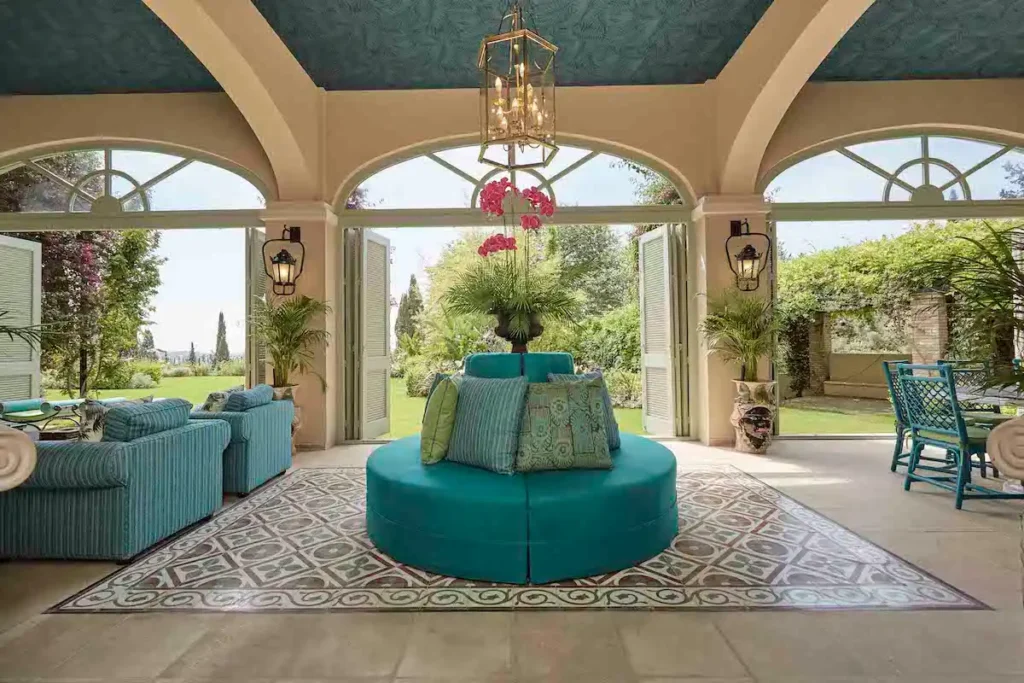
Your base is in Greece. What does this mean in practice for an international client entrusting you with a property abroad?
My design philosophy travels with me. Wherever I work, I always respect the local context and architecture while ensuring the high standards and comforts my clients expect. The Greek sensibility, our approach to beauty, to light, to living well, guides me in creating spaces that feel authentic, functional, and elegant, no matter where they are in the world.
How does Greek light, the Mediterranean palette, and architectural tradition influence your work?
Greek light, natural tones, and tradition are deeply embedded in the way I see and design spaces. I always want modern elements to blend seamlessly into their surroundings, present and practical, but never intrusive. Even when working abroad, Greek aesthetics shape the way I think about harmony: the materials, the colors, the flow of a room. The result is spaces that feel natural and at ease with themselves.
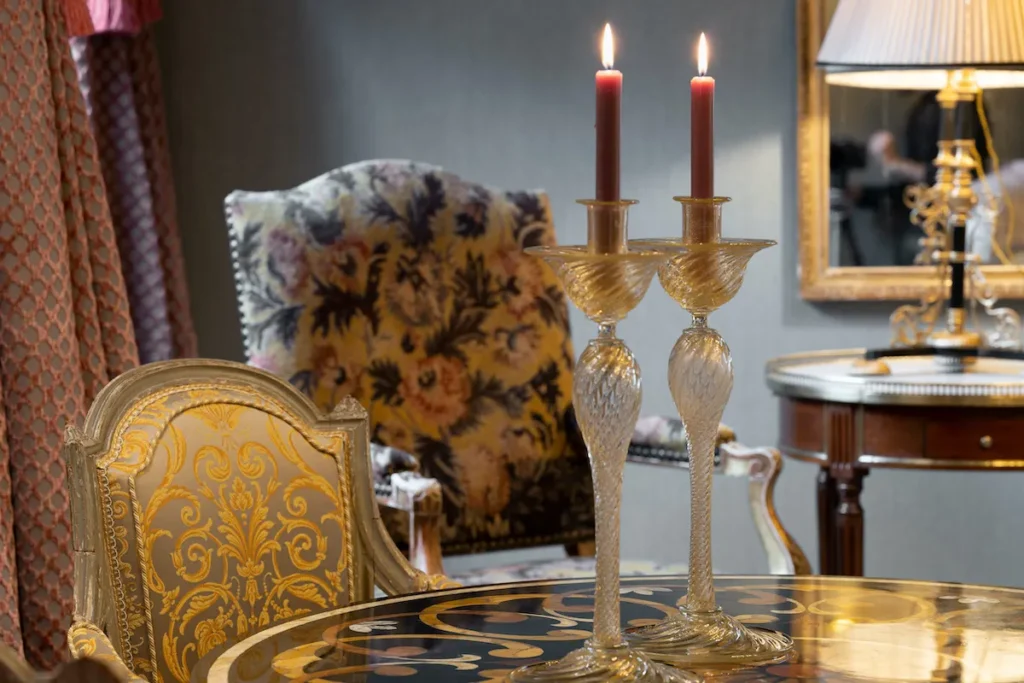
When you deliver a “turnkey” home, what exactly does that include?
Everything. From the major furniture and appliances down to the linens, towels, tableware, and art de la table. The house is cleaned, stocked with groceries, and there’s even a bottle of wine waiting. The client walks through the door and simply begins living. No errands, no logistics, no stress.
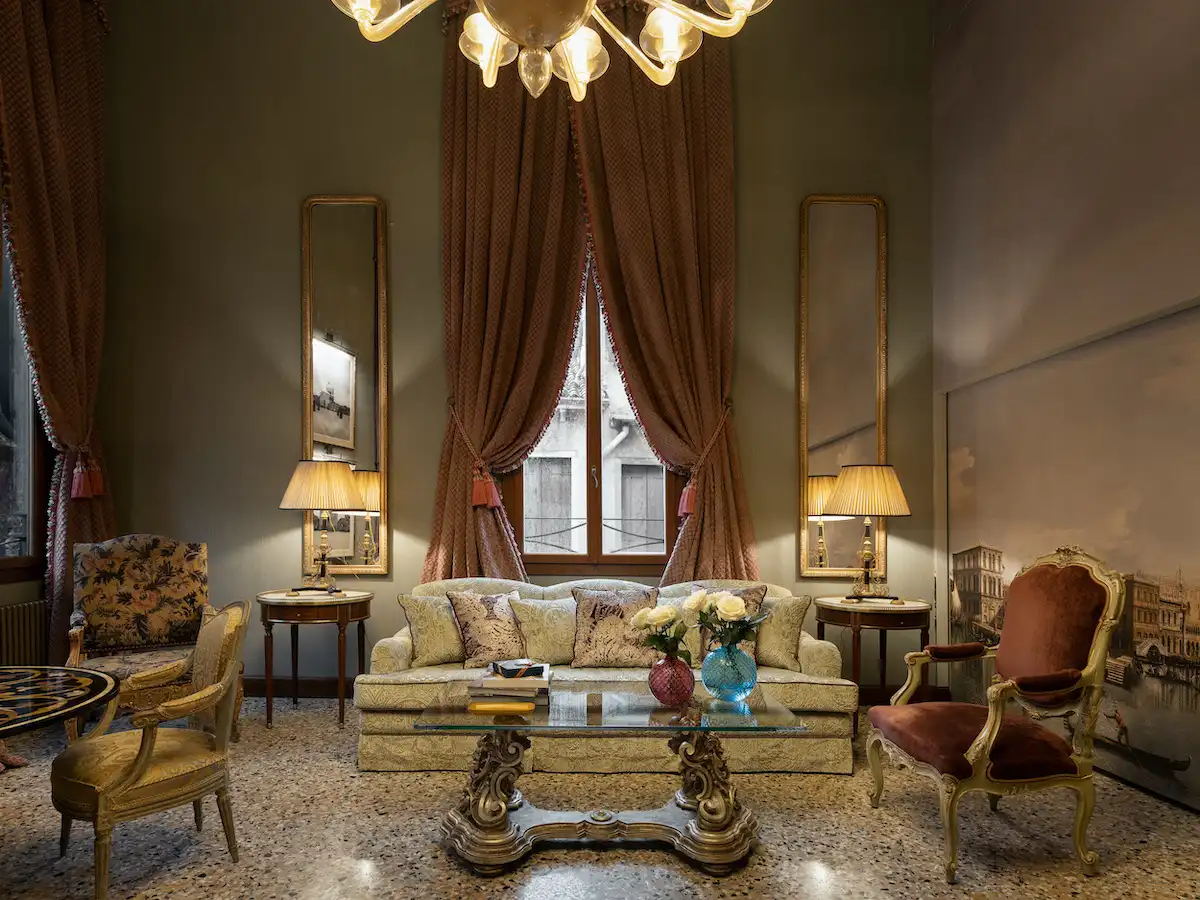
How do you organize a project so the owner doesn’t have to manage anything?
The whole process runs through clear communication: emails, detailed budgets, photographs, and one or two meetings, either in the client’s home country or at the property itself. The client stays fully informed but never has to deal with the day-to-day. That’s my job.
What is the greatest challenge when working with historic properties?
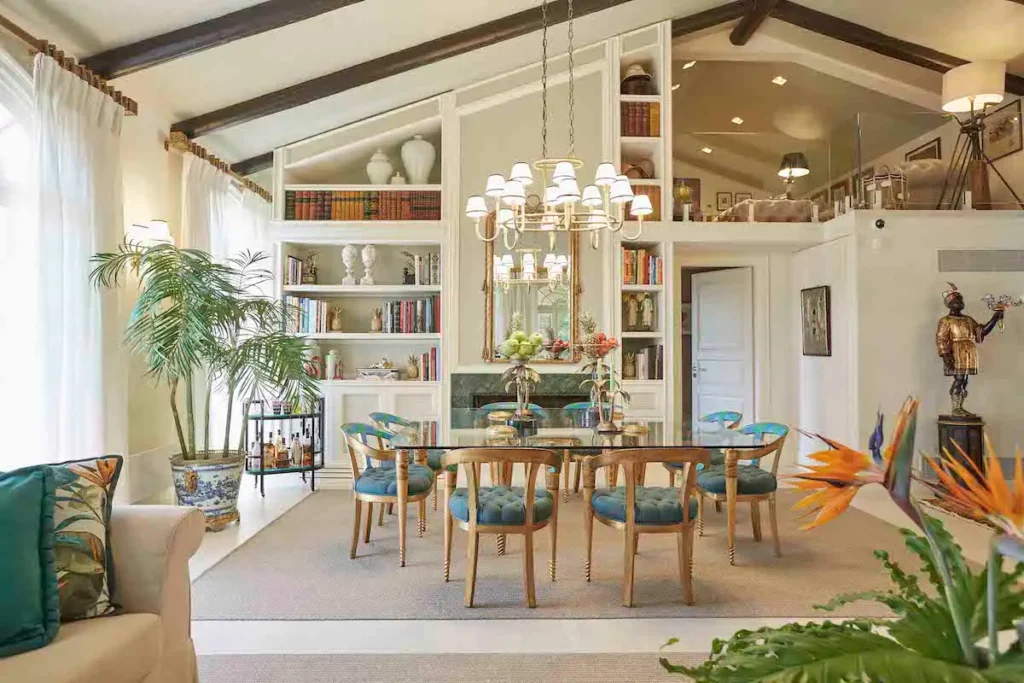
Preserving their soul while making them livable. A historic property carries a character and integrity that must be honored. The challenge, and the joy, is weaving in all the comforts of modern life in a way that feels invisible. The space should still feel exactly like itself.
How do you balance respect for local architectural identity with the need for modern comfort?
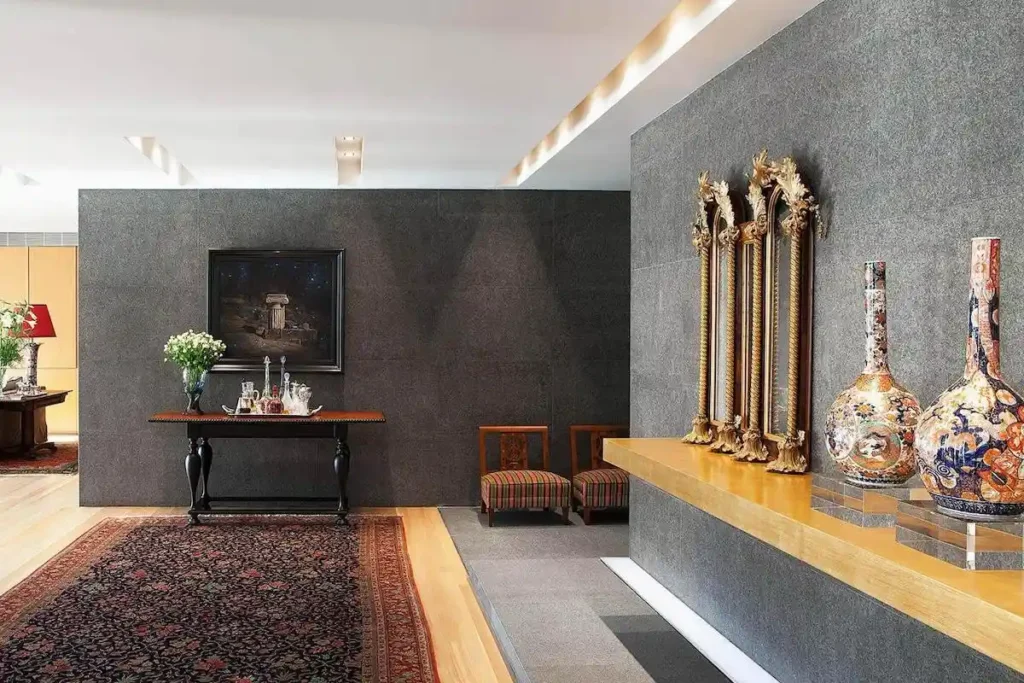
The two aren’t in conflict, they just need to be handled with care. I work to integrate all modern functions as discreetly as possible, so the architecture and aesthetics remain front and center. The house speaks for itself; technology and infrastructure simply support it quietly from behind the scenes.
For someone retiring to Greece, whether as a primary or secondary residence, what elements are essential for a home that truly works?
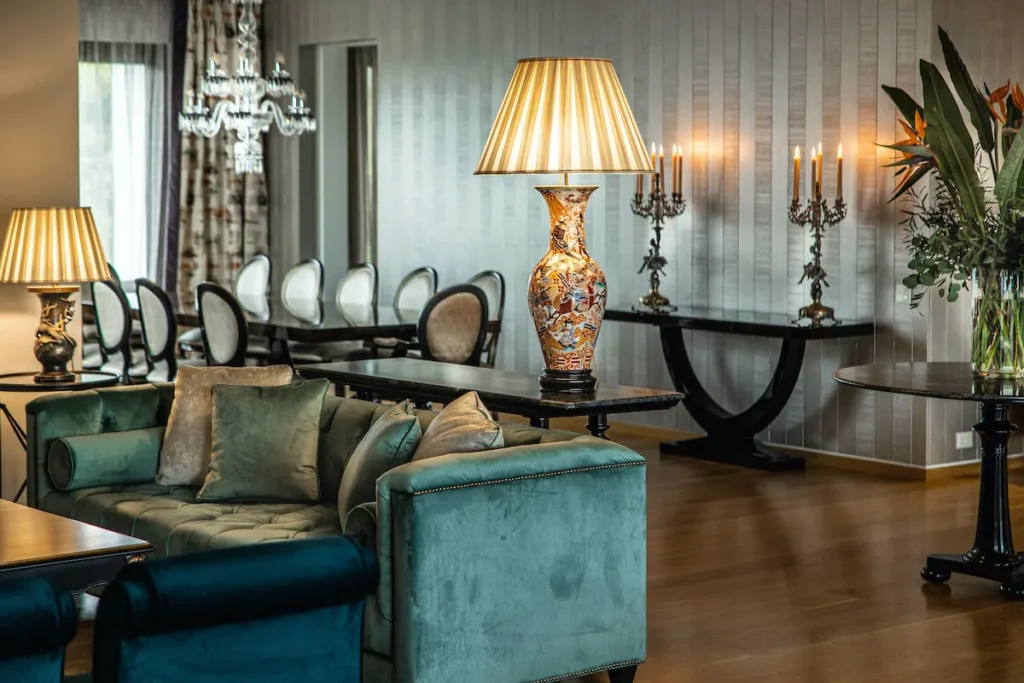
Warmth and functionality above everything. The space should feel like home from the moment you step inside: comfortable, welcoming, and genuinely enjoyable to live in. Luxury shouldn’t demand effort; it should make daily life feel effortless.
How important are ergonomics and accessibility in your designs?
Absolutely essential. Every element needs to be easy to reach, easy to use, and practical, without ever sacrificing beauty. Good design should make life simpler, not harder.
What role does technology play in your work?
It’s a tool, not a centerpiece. I incorporate it where it genuinely adds value: security, comfort, energy efficiency, but I never let it dictate the aesthetics of a space. The home comes first; technology serves it.
How do you select your suppliers and craftsmen? Do you tend to work with Greek creators?
Absolutely, and deliberately so. Greek craftsmen bring a depth of local knowledge and a quality of work that is hard to match. They also reinforce the authenticity and the Greek signature that runs through most of my projects.
Is there a recognizable “Greek signature” in a home you’ve designed?
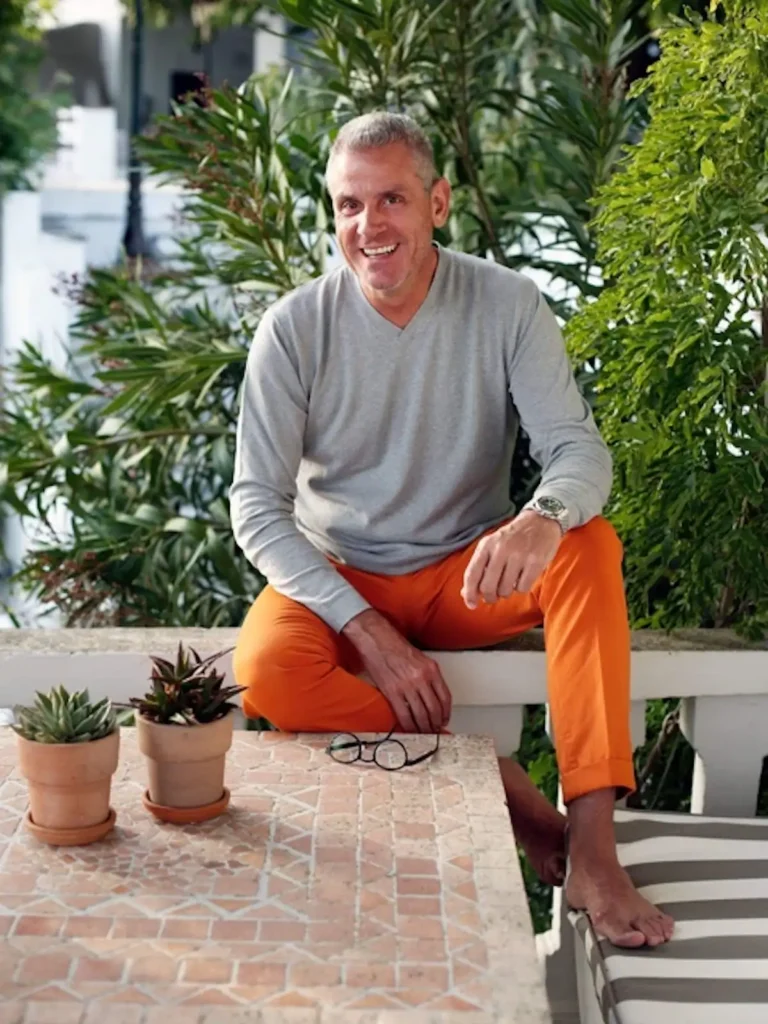
In about 80% of my projects, yes. Even when working abroad, you’ll find it, a certain elegance, a restraint, a quality of light and material. It’s not something I impose; it’s simply how I see the world.
How do you shape the client experience from that very first meeting to the moment you hand over the keys?
Before a single sketch is drawn, I sit down with the client, and often their family, for a thorough conversation. I genuinely believe that good design is 50% psychology. Understanding how people live, what they dream of, what they need on a Tuesday morning, that’s what makes the difference between a beautiful house and a home that truly fits someone’s life.
What is the typical timeline for a full turnkey project, and what factors have the most influence on it?
For new builds, the timeline starts with the architectural plans. For existing properties, we can move much more quickly. The two factors that matter most? The client’s decisiveness, and consistency when it comes to payments. Both keep the project moving.
How do you manage budgets in high-value homes without compromising on quality?
I have three simple rules: be respectful, pay on time, and make decisions promptly. When those three things are in place, quality takes care of itself. Delays and indecision are the real enemies of a well-executed project.
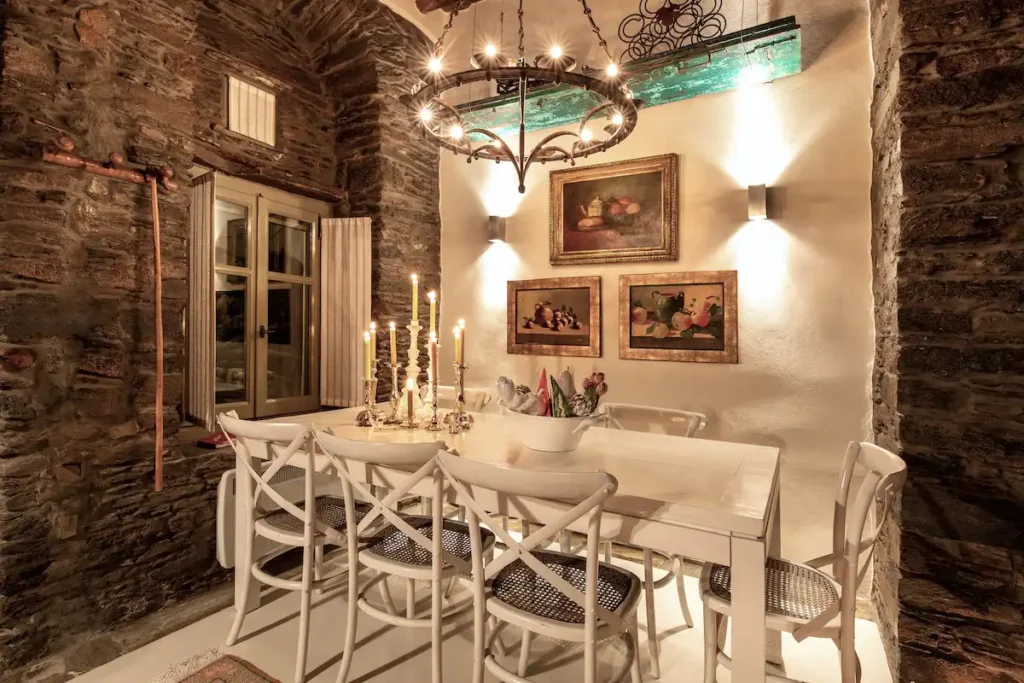
What does “luxury” mean to you today?
Quality and personalization. True luxury isn’t about excess, it’s about a space that reflects exactly who you are. The finest materials, chosen thoughtfully, in service of a life well lived.
How do you approach exterior spaces?
Every location has its own personality, and I design with that in mind. Gardens, pools, pergolas, each element is chosen to work in harmony with the landscape, providing shade, beauty, and function while letting the natural character of the place shine through.
Is there a difference in mindset between designing for an investor and designing for someone who is retiring to a property?
A profound one. When someone is retiring to a home, it’s their life, their dreams, their needs, their daily reality. My role shifts entirely. I’m not thinking about resale value; I’m thinking about how this person will feel waking up there every morning.
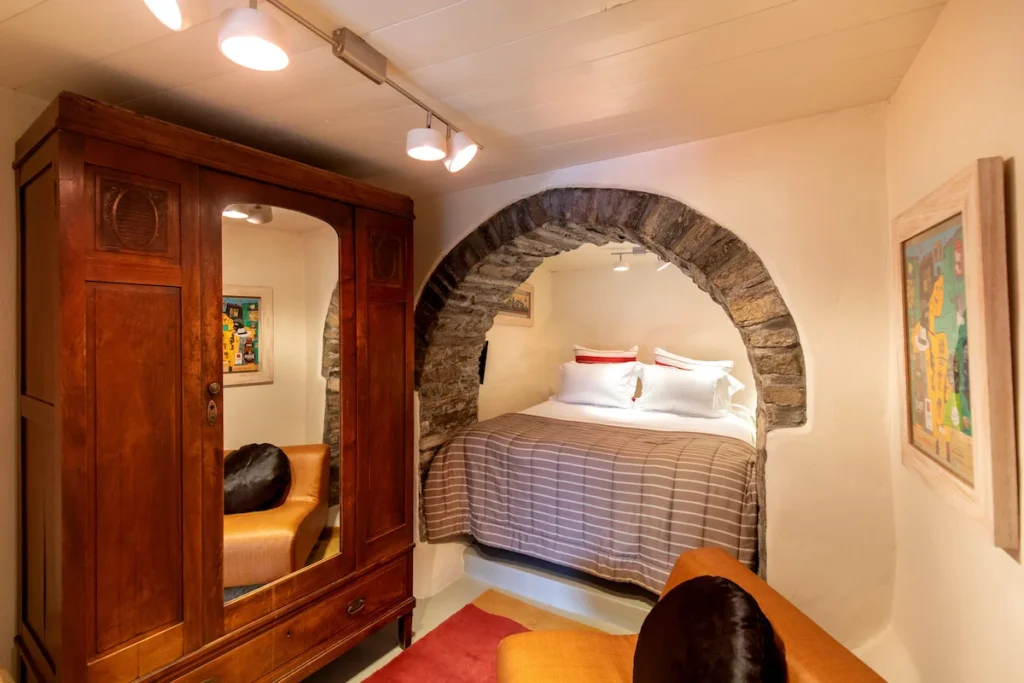
How do you ensure a home is not just impressive, but genuinely livable?
By making it functional and warm first. Elegance and luxury follow naturally when a space is designed around real life rather than around appearances.
What was your most demanding assignment, and what did it teach you?
More than anything, it taught me that the character of the client matters enormously. Understanding who someone truly is, their expectations, their sensitivities, the unspoken things, is the foundation of every successful project.
If you had to summarize your philosophy for someone considering investing in, or moving to, Greece, what would you say?
Greece offers something rare: exceptional climate, extraordinary food, genuinely warm people, and a quality of life that few places can match, at a fraction of the cost of comparable destinations. Sun, sea, mountains, culture, sex. It’s not just a place to live. It’s a way of living.
More About Villas
Once the dream home is realized, the focus often shifts to its long-term value; here, the CEO of VillaRentals.gr details the strategic side of luxury property, from maximizing rental yields to the operational realities of investing in Greece’s villa market.
ABOUT THE EXPERT
GEORGE EFTHIMIOU
INTERIOR DESIGN AND BEYOND
194 KIFFISIAS AVE., 15231 HALANDRI, GR
E DESIGN@GEFTHIMIOU.COM
T +302106714002
F +302106714722
***