
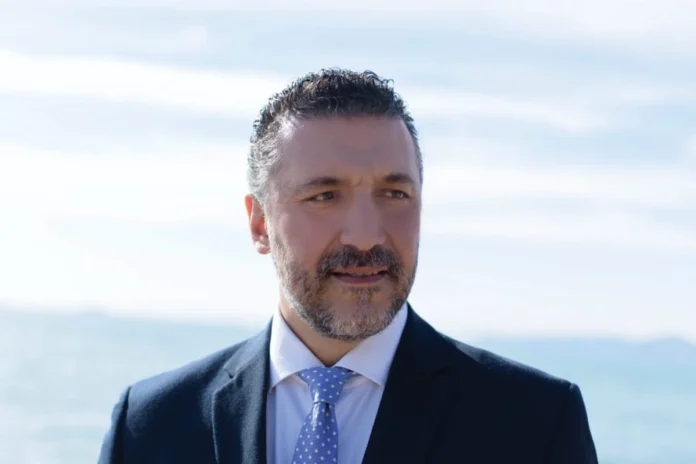
Yiannis Fostiropoulos, mayor of Palaio Faliro, on infrastructure, property values, and the Ellinikon impact
Yiannis Fostiropoulos has been Mayor of Palaio Faliro for several years, steering one of Athens’ most beloved coastal municipalities through a period of significant change. With the Ellinikon megaproject reshaping the wider Athens Riviera and a growing number of international retirees looking to put down roots in the area, his priorities are clear: protect the quality of everyday life, keep the seafront open and accessible to all, and ensure that development serves residents first.
We sat down with him to ask the questions that matter most to mature newcomers – from healthcare and accessibility to property values, traffic and what Palaio Faliro might look like a decade from now.
What do you consider the main advantage of Palaio Faliro as a place of permanent residence for older people coming from abroad?
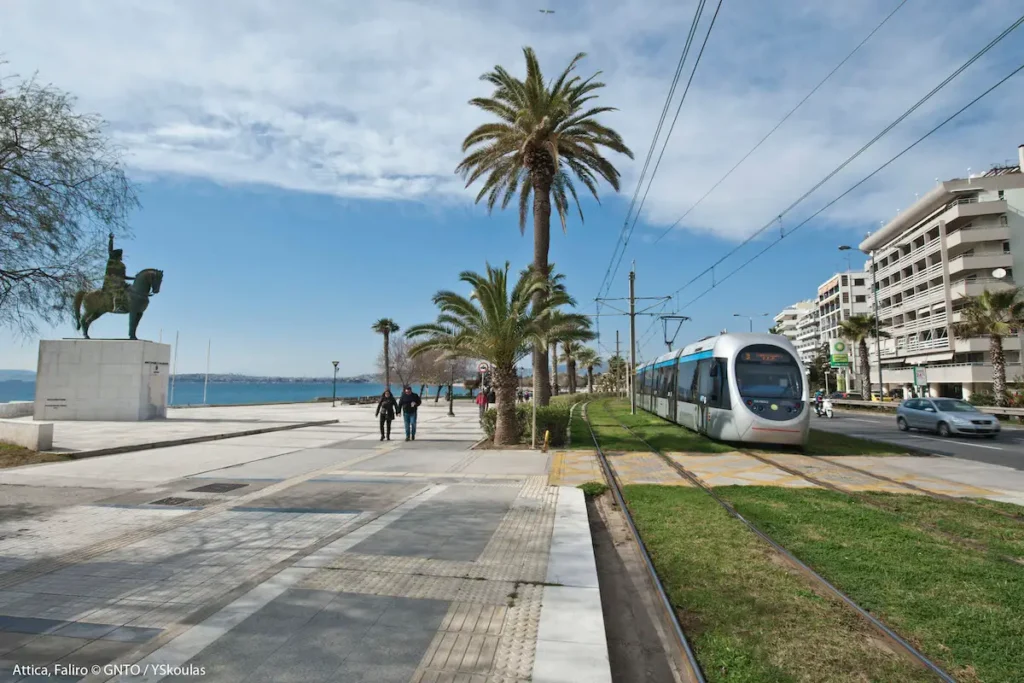
The main advantage of Palaio Faliro is balance. It is a coastal area with direct access to the sea and walking paths, but at the same time it is a fully organised urban town with infrastructure, services, security and social life.
For older people who choose to settle here permanently, this means they can live daily close to nature, at a gentle pace, without being cut off from the centre of Athens, from major hospitals or from modern services.
Palaio Faliro is not a seasonal tourist destination, it is a town with social cohesion, cultural activity and active ageing structures, such as the Friendship Clubs and health prevention programmes. This stability is its greatest asset.
Palaio Faliro has a coastline with free access for all. Is there a municipal strategy to ensure this policy remains stable and protected in the future?
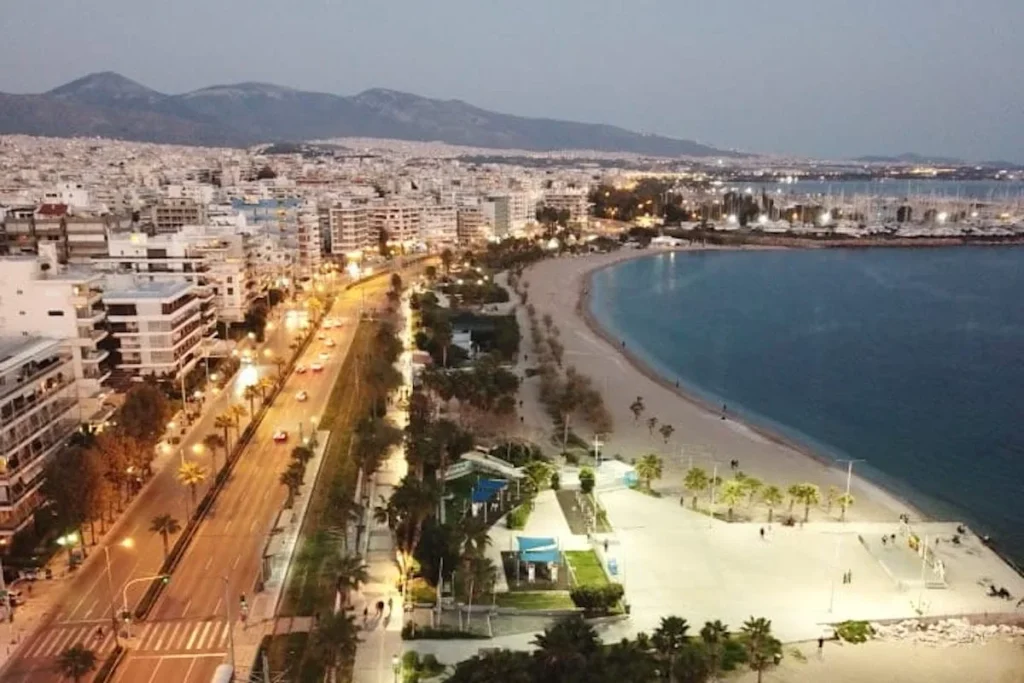
Free access to the coastline is a firm and deliberate choice of ours. The sea is a public good, not a privilege. In our collaboration with the Attica Region on the redevelopment of Flisvos and the seafront, the core focus is on enhancing accessibility, lighting, seating areas, cleanliness and safety, without restrictions or exclusions.
Our strategy is clear: improve quality, maintain free access and protect the public character of the coastline.
Many foreign retirees are concerned about potential traffic increases due to the Ellinikon project. What specific measures are planned to ensure smooth daily mobility for residents?
The Ellinikon project is a major development intervention affecting the whole of southern Attica. It is natural for some concerns to arise.
As a municipality, we monitor traffic studies and maintain continuous collaboration with the relevant Ministries and the Traffic Police. We are working closely with the Ministry of Infrastructure and Transport to ensure the proper operation of public transport, particularly the tram, so that it becomes a primary means of service for residents and visitors.
We are also proceeding with the creation of an underground car park in Flisvos Park, funding for which has recently been secured, to serve both Faliro residents and the visitors we welcome year-round. The goal is to protect the daily lives of permanent residents and maintain smooth mobility, especially for older people.
The coastal avenue is a well-known congestion point. What is the municipality’s realistic plan for addressing traffic, especially during peak hours that affect permanent residents?
The coastal avenue has always been a point of high traffic. A realistic plan is not based on a single solution but on a combination of interventions.
We are investing in sustainable mobility, strengthening the tram service, improving local road interventions, better organising parking, and collaborating with the relevant authorities to manage traffic flow during peak periods.
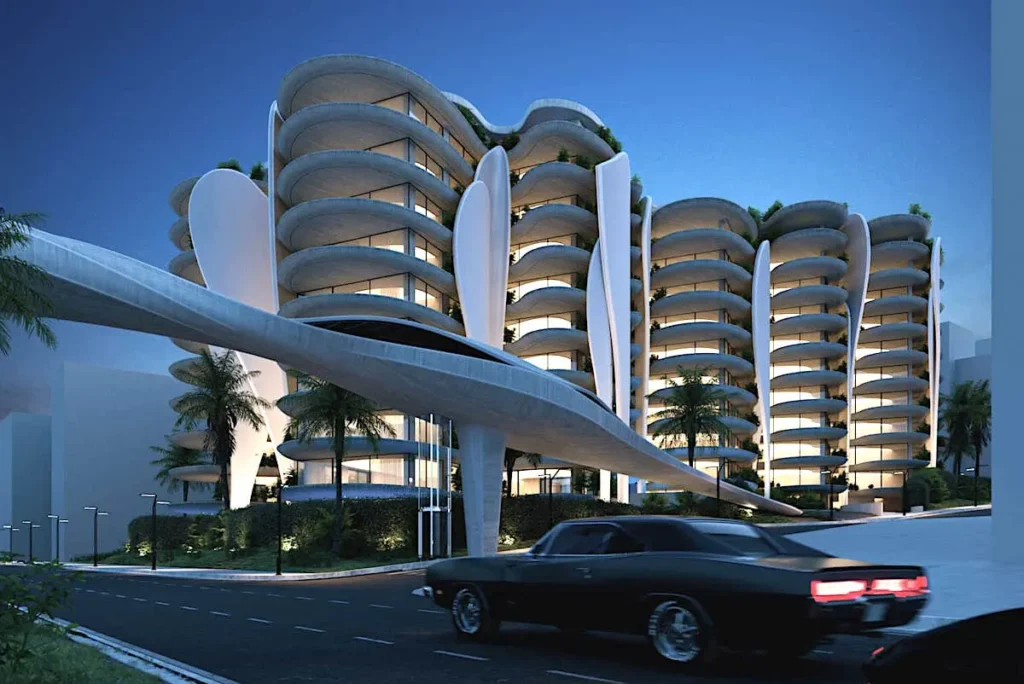
Given that much of the building stock is decades old, do you plan to promote programmes or incentives for renovations, energy upgrades or reconstruction? How will quality of life in older buildings be protected?
Renovation, energy upgrading and incentives for interventions in private building stock are primarily the responsibility of the Central Government. Significant initiatives are already being implemented at the national level, such as the “Exoikonomo” (Save Energy) programmes, which allow property owners to improve the energy performance and safety of their buildings.
As a municipality, we are in continuous contact and collaboration with the relevant Ministries to keep our residents informed in a timely manner about available tools and help them make use of them. At the same time, through our interventions in public spaces (pavements, lighting, street furniture and accessibility) we are making a real contribution to improving the overall quality of life and urban environment, even in neighbourhoods with older building stock.
What impact do you expect the proximity to Ellinikon to have on future property values in Palaio Faliro? Do you believe there will be a rise or a shift in the profile of the area?
The proximity to Ellinikon is expected to strengthen the area’s dynamism. Palaio Faliro already holds stable value owing to its location, coastal character and quality of life. There will likely be an increase in values and a gradual rise in investor interest. However, the municipality’s core identity will remain that of a first-choice residential area, not exclusively an investment destination.
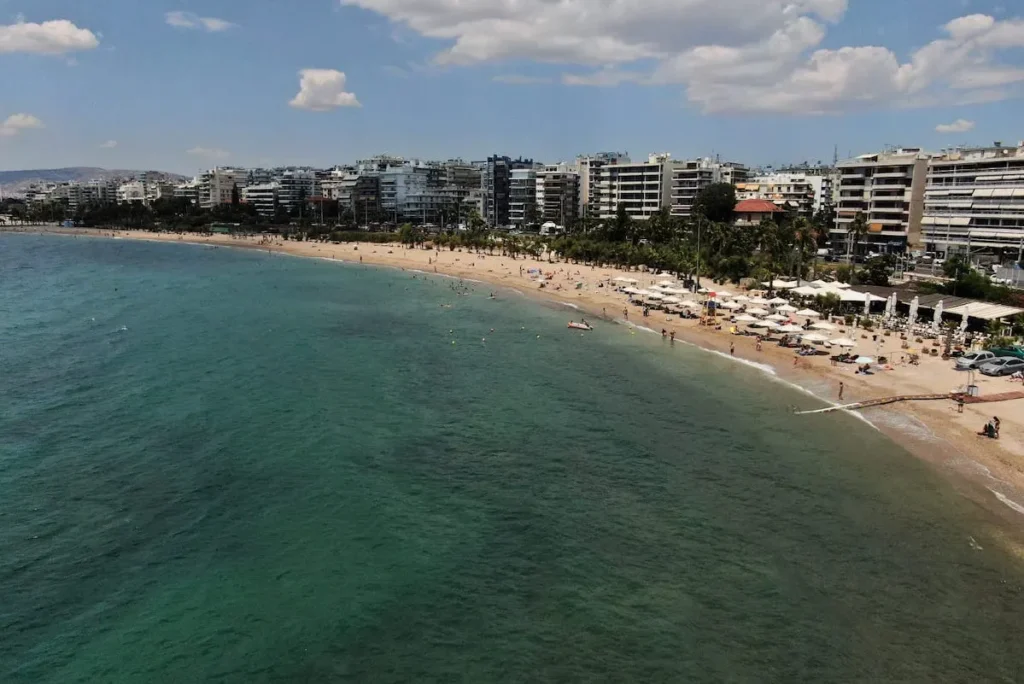
The Flisvos redevelopment is a major ongoing project. What practical changes will it bring for older residents in terms of access, walking routes, public spaces and parking?
The renovation of Stroggilo (as we call it in Palaio Faliro) is a very important initiative for the protection and enhancement of our landmark. The renovation will bring better walking routes, more lighting, new seating areas, upgraded green spaces and better organised parking. For an older resident, this means safer walking, more places to rest and easier access to the sea.
Are there specific initiatives to improve accessibility (pavements, ramps, low-difficulty routes) to make the area friendly for people over 60?
The Municipality of Palaio Faliro has undertaken an extensive programme of pavement improvement across the neighbourhoods. Paving slabs have been replaced, new ramps for people with disabilities have been created, smart crossings have been installed, and lighting has been upgraded. I am pleased to say that these interventions are still ongoing and will continue, in order to ensure better and safer movement for pedestrians throughout our town.
What health services or facilities are within easy reach for a Faliro resident? Are there plans to strengthen primary healthcare in the area?
Major public and private hospitals, diagnostic centres and medical units are all within close distance. The Municipality implements prevention programmes, health campaigns and participates in the European Smart Bear programme for the support of elderly people with chronic conditions. Prevention and early intervention are a core priority for us.
Regular blood sugar tests, cancer awareness and prevention seminars, and voluntary blood donation events are organised on a routine basis, in continuous cooperation and coordination with the Palaio Faliro Health Centre.
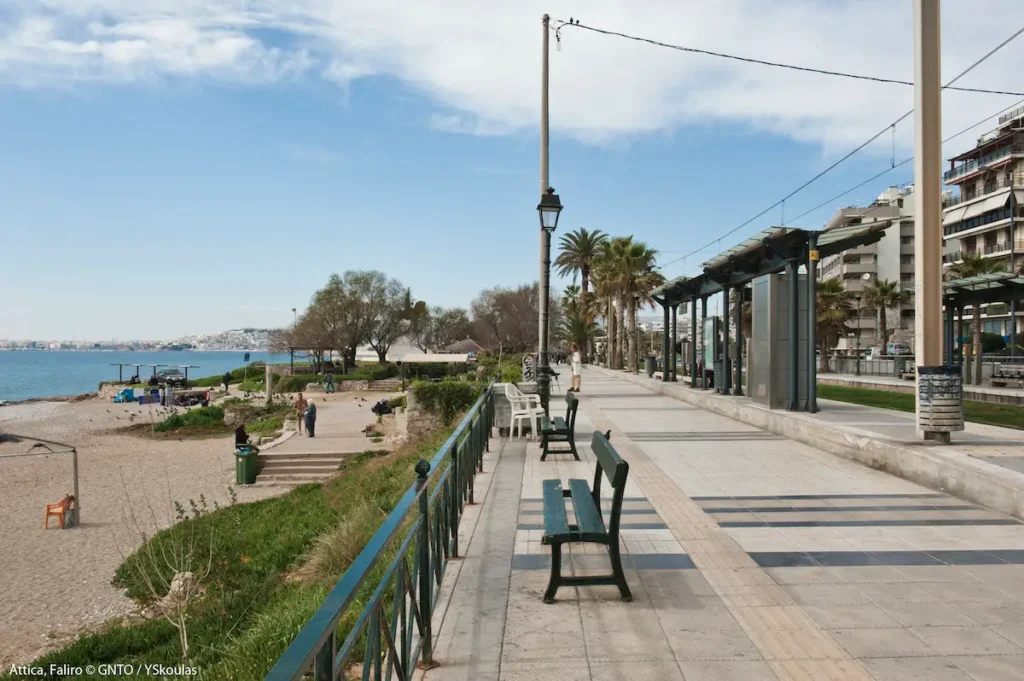
What is the municipality’s policy for the upkeep of public spaces (cleanliness, safety, lighting)?
Cleanliness and lighting are fundamental pillars of urban safety. We have organised a bio-waste management system, reinforced our cleaning fleet and maintain a daily field presence.
The replacement of old lighting with modern LEDs has dramatically improved visibility and energy efficiency. In addition, road surface maintenance interventions — including innovative methods such as shot blasting for anti-slip surfaces — enhance safety for both drivers and pedestrians.
The major Athens Riviera projects (18km cycling path, Aenaon Metropolitan Park, marina upgrades) are expected to change the character of the area. How do they affect the daily life of a permanent Faliro resident?
These projects create a continuous coastal leisure and sports front. For a permanent resident, this means more options for walking, exercise, culture and entertainment within a short distance from home.
The challenge is to maintain the balance between development and quality of life. As a municipality, we push for infrastructure that does not burden daily life but improves it. The Athens Riviera must be an advantage for the resident, not just for the visitor.
Are there social integration or participation activities for foreign residents?
Palaio Faliro has a strong cultural and social life. Through the Falirika cultural events, municipal libraries, cultural activities, mass sports programmes and Friendship Clubs, every new resident can become actively engaged.
Integration begins with everyday contact, events, volunteering and a sense of community — and this is something we cultivate systematically.
How does the municipality support a foreigner who buys a property and settles permanently in Faliro?
The Municipality has modernised its services with digital tools, so that assistance is provided more quickly and more simply. Transparency, direct communication and guidance on municipal services are a priority.
We strive for a friendly administration and a human approach. A new resident must feel that they have access to services without unnecessary inconvenience.
When and under what conditions can a foreign permanent resident gain the right to participate in public consultation processes?
Participation in consultations is open to all residents within the framework of Greek legislation. Through public discussions, cultural associations and social structures, any resident can express a view on neighbourhood issues. Active presence in the local community is more meaningful than any institutional status.
How do you envision the area as a place of permanent settlement for international retirees in ten years’ time?
I envision a Palaio Faliro that is even greener, with a complete seafront, modern digital services, upgraded infrastructure and a strong social fabric.
A European coastal town with a stable residential character, where development does not compromise quality of life. A place you choose not only for the sun and the sea, but for the safety, the organisation and the sense of community.
More from the Coast
For further insights into living along the southern coast, explore our interview with an Athens Riviera realtor to navigate market trends and local real estate opportunities. You can also dive into our dedicated article to Discover Vouliagmeni, the prestigious coastal enclave home to the most exclusive and expensive addresses in the country.
ABOUT THE EXPERT
Yiannis Fostiropoulos, mayor of Palaio Faliro
Municipality Of Palaio Faliro
In office since: June 2019 (Next local elections: 2028)
City Hall, 51 Terpsichoris & Artemidos St., Palaio Faliro, 175 62
secretary.dpf@palaiofaliro.gr
***